Pancreatic ductal adenocarcinoma (PDAC) remains one of the deadliest malignancies, notorious for its grim five-year survival rates and late-stage diagnosis. Despite substantial progress in understanding tumor biology, the molecular events driving the initial transformation from normal pancreatic tissue to malignant states have largely eluded scientific inquiry. A groundbreaking study recently published in Nature Metabolism offers fresh insight into this critical juncture in pancreatic cancer evolution, revealing how metabolic enzymes influence the early, precancerous phases prior to tumor manifestation.
The study focuses on acinar-to-ductal metaplasia (ADM), a reversible cellular response to pancreatic injury or inflammation whereby acinar cells transform into duct-like cells. Although ADM serves as a reparative mechanism, persistent metaplasia in the presence of oncogenic mutations can precipitate the transition to neoplastic lesions. This research dissects the metabolic rewiring accompanying this progression, emphasizing NADPH-producing enzymes whose modulation determines whether metaplasia resolves benignly or propels towards carcinogenesis.
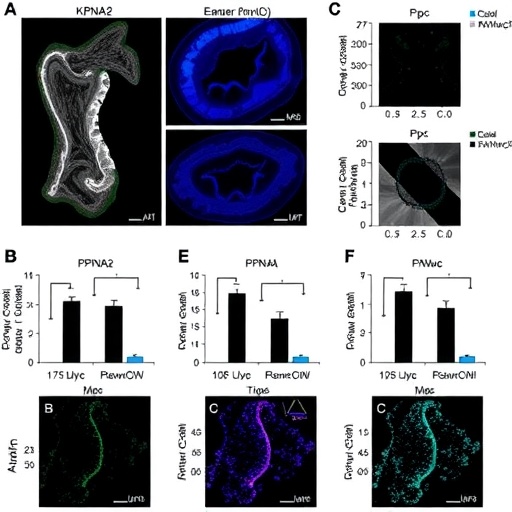
By employing RNA sequencing on pancreatic tissue from mouse models, researchers identified a conspicuous elevation of two critical enzymes: glucose-6-phosphate dehydrogenase (G6PD) and malic enzyme 1 (ME1). Both enzymes contribute to the generation of NADPH, a pivotal reducing agent that facilitates biosynthetic processes like lipid and nucleic acid synthesis, while simultaneously mitigating oxidative stress by neutralizing deleterious reactive oxygen species (ROS). The data suggest that these enzymes act as metabolic gatekeepers, curbing the accumulation of ROS and restricting the formation of pancreatic precancerous lesions.
Functional experiments in genetically engineered mouse models revealed a paradoxical phenomenon: a decrease in G6PD activity paradoxically led to an increase in precancerous lesion formation. Similarly, mice lacking ME1 showed a comparable upsurge in lesion development, but with a critical distinction. The absence of ME1 not only increased lesion count but also allowed progression into invasive cancer, marking ME1 as a potentially pivotal regulator during later stages of tumor initiation.
These findings underscore the dual role of NADPH and its synthesizing enzymes in maintaining pancreatic cellular homeostasis while acting as suppressors of malignant transformation. Lower NADPH levels compromise the cellular antioxidant defenses, enabling ROS to accumulate, thereby fostering DNA damage and cellular dysregulation associated with early tumorigenesis. Treatment with antioxidants such as glutathione or N-acetyl cysteine in these models effectively thwarted lesion progression, further substantiating the causal link between oxidative stress and pancreatic precancerous lesion formation.
Importantly, analyses of human pancreatic tissues mirrored these experimental observations, demonstrating reduced expression of G6PD and ME1 in precancerous lesions. This translational aspect not only validates the mouse model findings but also propels these metabolic enzymes into the spotlight as potential biomarkers for early detection of pancreatic cancer risk.
The study’s discoveries illuminate the intricate metabolic landscape orchestrating PDAC initiation and unravel a nuanced hierarchy between NADPH-generating enzymes. While both G6PD and ME1 contribute to overall NADPH production, the unique influence of ME1 on the transition from precancerous lesions to overt cancer highlights the enzyme’s stage-specific functionality. This differentiation advocates for a refined approach to therapeutic targeting, emphasizing that metabolic interventions must be tailored to distinct phases of pancreatic carcinogenesis.
Research leaders from the University of Michigan express optimism that these metabolic insights could translate into clinically actionable strategies. If enzymatic activity levels of G6PD and ME1 can stratify patients according to their risk of progression, it might facilitate timely interventions to intercept the disease before malignant transformation ensues. Further studies are underway to identify additional NADPH-modulating enzymes and to delineate druggable metabolic pathways implicated in pancreatic cancer progression.
Furthermore, the researchers are investigating whether inherited or somatic mutations affecting G6PD or ME1 enzymes heighten susceptibility to pancreatic neoplasia. This genetic angle could illuminate individual differences in disease risk and response to antioxidant therapies, opening avenues for personalized medicine in pancreatic oncology.
This comprehensive metabolic profiling advances the frontier of pancreatic cancer research by shifting focus from tumor biology to the early microenvironmental and metabolic shifts predisposing cells to malignancy. Such fundamental knowledge enhancement heralds a new era in which metabolic biomarkers and precision interventions could revolutionize detection and prevention of one of the most lethal human cancers.
In conclusion, the groundbreaking work reveals that NADPH-generating enzymes serve crucial protective roles by limiting oxidative damage and precancerous lesion formation in the pancreas. Targeting metabolic vulnerabilities and enhancing antioxidant capacity during the pre-tumor stage might become an innovative strategy to alter the trajectory of pancreatic cancer development, potentially saving thousands of lives each year.
Subject of Research: Animals
Article Title: NADPH-producing enzymes restrict the formation of pancreatic precancerous lesions
News Publication Date: 1-Apr-2026
Web References: https://doi.org/10.1038/s42255-026-01496-x
References: Radyk, M., et al. (2026). NADPH-producing enzymes restrict the formation of pancreatic precancerous lesions. Nature Metabolism. https://doi.org/10.1038/s42255-026-01496-x
Keywords: Pancreatic cancer, pancreatic ductal adenocarcinoma, acinar-to-ductal metaplasia, NADPH, glucose-6-phosphate dehydrogenase, malic enzyme 1, reactive oxygen species, oxidative stress, pancreatic precancerous lesions, metabolic pathways, tumor initiation, antioxidants
Tags: acinar-to-ductal metaplasia in pancreatic cancerearly cellular transformation in pancreatic tumorsmalic enzyme 1 function in tumor metabolismmetabolic enzymes as therapeutic targets in PDACmetabolic rewiring in precancerous pancreatic lesionsNADPH-producing enzymes in cancer progressionoxidative stress and pancreatic tumor developmentpancreaticpancreatic ductal adenocarcinoma molecular pathwaysRNA sequencing in pancreatic cancer researchrole of glucose-6-phosphate dehydrogenase in PDAC