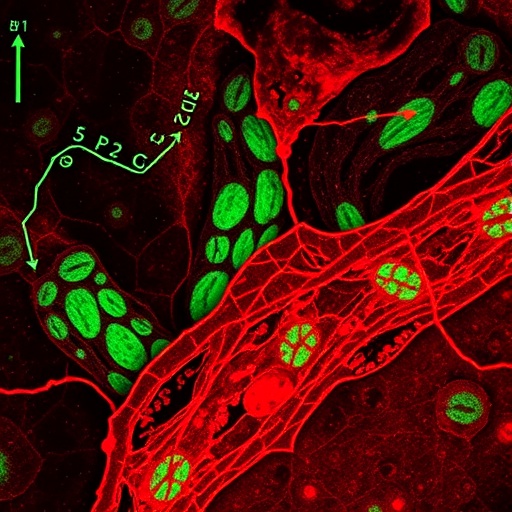
A molecule once treated as a relatively obscure feature of cancer biology is moving toward the centre of the immuno-oncology conversation. B7-H3, also known as CD276, is attracting renewed attention because it appears across several compartments of the tumour microenvironment rather than being confined to malignant cells alone. A systematic review by Luisa Privitera, Paola Alberti, Silvia O. Senica and colleagues, published in the British Journal of Cancer, maps the reported presence of B7-H3 in stromal, vascular and immune components surrounding tumours. The work highlights why the protein has become one of the most closely watched targets in next-generation cancer research: its distribution may reveal not only where tumours hide from immune attack, but also how the tissue around them helps sustain disease.
The tumour microenvironment is not passive scaffolding. It is a dynamic ecosystem made up of cancer cells, fibroblasts, blood vessels, immune cells, extracellular matrix and signalling molecules. These components exchange chemical messages that can influence tumour growth, invasion, treatment resistance and immune suppression. B7-H3 is a membrane-associated protein belonging to the B7 family, a group of molecules involved in communication between immune and non-immune cells. Although its precise receptor interactions and full biological role remain incompletely resolved, B7-H3 has repeatedly been associated with aggressive tumour behaviour, poor clinical outcomes and mechanisms that restrict effective anti-tumour immunity. The review’s central contribution is to examine B7-H3 beyond the cancer cell itself, asking where the molecule is found throughout the tumour ecosystem and what that location could mean biologically.
The authors gathered and assessed published evidence describing B7-H3 expression in tumour-associated stromal cells, vascular structures and immune populations. This type of systematic review is especially important in a field where studies often use different antibodies, staining platforms, scoring systems, tissue samples and disease classifications. In many investigations, B7-H3 is measured by immunohistochemistry, a technique that uses antibodies to identify proteins in preserved tissue sections. Other studies rely on RNA sequencing, transcriptomic databases, flow cytometry or single-cell analyses. These approaches do not always produce directly comparable results. Protein abundance, messenger RNA levels and cellular localisation can tell different stories, and a signal detected in a tumour sample may originate from malignant cells, fibroblasts, endothelial cells or infiltrating leukocytes.
The stromal compartment emerged as a major area of interest because cancer-associated fibroblasts can reshape the physical and chemical environment around a tumour. These fibroblasts produce collagen-rich extracellular matrix, growth factors and inflammatory mediators that may create barriers to immune-cell penetration while supporting tumour expansion. If B7-H3 is present on stromal populations, it could contribute to an immunologically hostile environment in which cancer-fighting T cells are excluded, weakened or functionally reprogrammed. The review does not reduce this biology to a single universal mechanism; instead, it presents a landscape in which B7-H3 expression varies according to tumour type, cellular identity and experimental method. That variability may be crucial for determining which patients could benefit from therapies designed to recognise or block the protein.
Blood vessels represent another potentially important B7-H3-rich territory. Tumour-associated vessels are often structurally abnormal, leaky and poorly organised, producing uneven oxygen delivery and impairing the movement of immune cells into malignant tissue. Endothelial cells lining these vessels regulate which cells can leave the bloodstream and enter the tumour. The presence of B7-H3 in vascular structures could therefore have implications far beyond a simple diagnostic stain. It may be connected to endothelial activation, abnormal angiogenesis or the selective recruitment and retention of immune populations. In practical terms, vascular B7-H3 could offer therapeutic access: an antibody, antibody-drug conjugate or engineered immune cell that reaches the tumour through the circulation might encounter the target on both malignant and vascular-associated cells.
The immune landscape described in the literature is equally complex. B7-H3 has been reported in association with several immune-cell populations, but its functional significance may depend on the tissue context and the state of cellular activation. Tumour-infiltrating lymphocytes, macrophages, dendritic cells and other leukocytes can adopt different phenotypes in response to local signals. A molecule that appears on an immune cell may reflect activation, suppression, differentiation or a feedback response to chronic inflammation. Because B7-H3 biology does not fit neatly into the best-known immune checkpoints, its effects are still being investigated. The protein may influence T-cell activity, cytokine networks and the balance between immune surveillance and tolerance, but the review underscores that expression alone cannot prove a direct functional effect.
That distinction is central to interpreting the findings. Detecting B7-H3 in a particular cell type does not automatically demonstrate that the molecule is driving tumour progression. A protein can be abundant without being essential, or it can be present only during a specific stage of disease. Its impact may also depend on whether it is located on the cell surface, stored inside the cell, released in a soluble form or concentrated at points of contact between neighbouring cells. In addition, different tumour types may use B7-H3 in different ways. A signal associated with immune suppression in one cancer could reflect vascular remodelling or stromal activation in another. By collecting evidence across compartments, the review helps expose these distinctions rather than treating B7-H3 as a uniform marker.
The findings have direct relevance for the rapidly expanding field of B7-H3-directed therapeutics. Several strategies are being explored in cancer research, including monoclonal antibodies, antibody-drug conjugates, bispecific molecules and chimeric antigen receptor T cells. Each approach depends on a detailed understanding of where the target is located. An antibody-drug conjugate may exploit B7-H3 on tumour cells to deliver a toxic payload, while a bispecific therapy could bring immune cells into contact with B7-H3-positive targets. CAR-T cells require careful assessment of target density, tissue distribution and the risk of attacking healthy organs. If B7-H3 is present in stromal or vascular compartments, therapies may affect the tumour’s supporting infrastructure as well as the malignant cells, potentially improving penetration and weakening resistance but also increasing the need for safety monitoring.
The review also points to a major challenge in translating B7-H3 research into clinical practice: the field needs more consistent measurements and better spatial information. Conventional pathology can identify whether a tissue sample contains B7-H3, but advanced technologies can show precisely which cells express it, how strongly they express it and how those cells are positioned relative to blood vessels or immune infiltrates. Multiplex immunofluorescence, spatial transcriptomics and single-cell sequencing could help distinguish overlapping signals that conventional staining cannot resolve. Future studies will also need to connect these maps with patient outcomes, treatment responses and adverse events. A target becomes clinically useful not merely when it is common, but when its presence predicts vulnerability to a specific intervention or identifies a biologically meaningful patient group.
For now, the systematic review places B7-H3 within a broader and more realistic picture of cancer biology. The protein is not simply a marker decorating tumour cells; it may be part of a distributed network involving the malignant compartment, the connective tissue that surrounds it, the vessels that feed it and the immune cells that attempt to control it. That network could explain why B7-H3-directed therapies are generating interest across multiple tumour types, while also warning against one-size-fits-all assumptions. By mapping where B7-H3 appears in the tumour microenvironment, Privitera and colleagues provide a framework for designing more precise experiments and more selective treatments. The next phase of research will determine whether this molecular map can be converted into measurable clinical benefit for patients whose cancers exploit the protein’s many locations.
Subject of Research: B7-H3 expression in the tumour microenvironment, including stromal, vascular and immune compartments.
Article Title: Mapping B7-H3 in the tumour microenvironment: a systematic review of stromal, vascular and immune expression.
Article References: Privitera, L., Alberti, P., Senica, S.O. et al. Mapping B7-H3 in the tumour microenvironment: a systematic review of stromal, vascular and immune expression. Br J Cancer (2026). https://doi.org/10.1038/s41416-026-03573-0
Image Credits: AI Generated
DOI: https://doi.org/10.1038/s41416-026-03573-0
Keywords: B7-H3, CD276, tumour microenvironment, cancer immunology, stromal cells, tumour vasculature, immune cells, immune checkpoint, immunotherapy, systematic review
Tags: B7-H3 as a target in immuno-oncologyB7-H3 distribution in cancer tissuesB7-H3 expression in tumor stroma and blood vesselsB7-H3 immune cell interactions in cancerB7-H3 tumor microenvironment mappingextracellular matriximmune checkpoint molecules in cancerrole of B7-H3 in tumor immune evasionsignificance of B7-H3 in cancer therapy developmenttumor microenvironment cell communication pathwaystumor microenvironment components and immune suppression