• HOME
  • NEWS
  • EXPLORE
    • CAREER
      • Companies
      • Jobs
    • EVENTS
    • iGEM
      • News
      • Team
    • PHOTOS
    • VIDEO
    • WIKI
  • BLOG
  • COMMUNITY
    • FACEBOOK
    • INSTAGRAM
    • TWITTER
Saturday, August 8, 2026
BIOENGINEER.ORG
No Result
View All Result
  • Login
  • HOME
  • NEWS
  • EXPLORE
    • CAREER
      • Companies
      • Jobs
        • Lecturer
        • PhD Studentship
        • Postdoc
        • Research Assistant
    • EVENTS
    • iGEM
      • News
      • Team
    • PHOTOS
    • VIDEO
    • WIKI
  • BLOG
  • COMMUNITY
    • FACEBOOK
    • INSTAGRAM
    • TWITTER
  • HOME
  • NEWS
  • EXPLORE
    • CAREER
      • Companies
      • Jobs
        • Lecturer
        • PhD Studentship
        • Postdoc
        • Research Assistant
    • EVENTS
    • iGEM
      • News
      • Team
    • PHOTOS
    • VIDEO
    • WIKI
  • BLOG
  • COMMUNITY
    • FACEBOOK
    • INSTAGRAM
    • TWITTER
No Result
View All Result
Bioengineer.org
No Result
View All Result
Home NEWS Science News Biology

Road verges provide opportunity for wildflowers, bees and trees

Bioengineer by Bioengineer
May 25, 2021
in Biology
Reading Time: 2 mins read
0
IMAGE
Share on FacebookShare on TwitterShare on LinkedinShare on RedditShare on Telegram

IMAGE

Credit: Ben Phillips

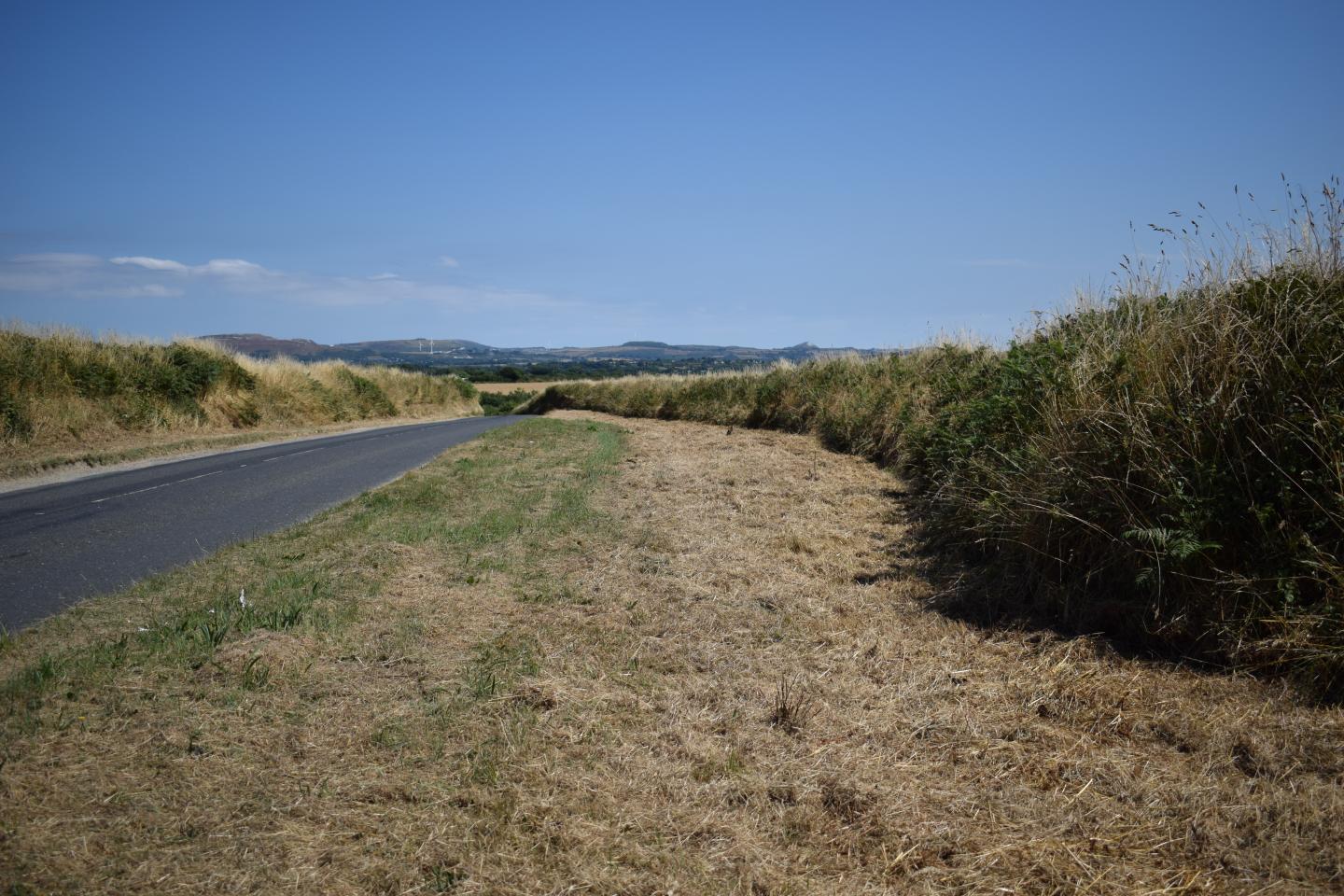
Road verges cover 1.2% of land in Great Britain – an area the size of Dorset – and could be managed to help wildlife, new research shows.

University of Exeter researchers used Google Earth and Google Street View to estimate that verges account for 2,579 km2 (almost 1,000 square miles) of land.

About 27% of these verges are frequently mown, 41% is wilder grassland, 19% is woodland and the rest is scrub.

There are “significant opportunities” to improve verges by reducing mowing and planting trees, the researchers say.

“Our key message is that there’s a lot of road verge in Great Britain and we could manage it much better for nature,” said lead author Ben Phillips, of the Environment and Sustainability Institute on Exeter’s Penryn Campus in Cornwall.

“About a quarter of our road verges are mown very regularly to make them look like garden lawns – this is bad for wildlife.”

Previous research has shown that reducing mowing to just once or twice per year provides more flowers for pollinators, allows plants to set seed and creates better habitats for other animals.

Phillips said: “Some parts of verges need to be mown regularly for safety, but many verges could be mown much less, and this could save money due to reduced maintenance costs.

“We found that only a quarter of frequently mown verges had trees, so there’s potential to add trees and shrubs, which will also help to capture carbon.

“But tree planting must be done carefully to avoid damaging flower-rich grass verges, and to prevent any impacts on visibility for drivers, or damage to infrastructure from roots and branches.”

Planting trees in some verges could provide a wide range of benefits for people, nature and the environment, and contribute towards the UK government’s tree-planting ambitions.

As well as estimating land area of verges, the study found that 1.8% of Great Britain is covered by hard road surfaces.

The charity Plantlife is currently running a campaign called #NoMowMay, asking gardeners and councils to “lock up your lawnmower” for the month of May.

###

The study, carried out in collaboration with the UK Centre for Ecology and Hydrology, was funded by the Natural Environment Research Council and the Cornwall Area of Outstanding Natural Beauty unit.

The new study, published in the journal Landscape and Urban Planning, is entitled: “Road verge extent and habitat composition across Great Britain.”

Media Contact
Alex Morrison
[email protected]

Related Journal Article

http://dx.doi.org/10.1016/j.landurbplan.2021.104159

Tags: BiodiversityBiologyEcology/EnvironmentForestryPlant Sciences
Share12Tweet8Share2ShareShareShare2

Related Posts

New wheat gene Sdd1 offers resource for improving plant architecture

New wheat gene Sdd1 offers resource for improving plant architecture

August 8, 2026
C/EBPγ Links Cancer Plasticity, DNA Repair, and Therapy Resistance in Lung Adenocarcinoma

C/EBPγ Links Cancer Plasticity, DNA Repair, and Therapy Resistance in Lung Adenocarcinoma

August 8, 2026

Antenna-like cell structure helps turtles sense warmth that determines sex

August 8, 2026

USC Launches Center Investigating Sex Differences in Aging

August 8, 2026
Please login to join discussion

POPULAR NEWS

  • Multi-population GWAS maps bladder cancer loci and smoking-related genetic risk

    29 shares
    Share 12 Tweet 7
  • Scientists map signaling networks driving disseminated glioblastoma cells in living brains

    29 shares
    Share 12 Tweet 7
  • Engineered nanovesicles targeting m6A writer METTL3 curb neuroinflammation in cells and animals

    29 shares
    Share 12 Tweet 7
  • Hebrew University Congratulates Haim Sompolinsky on Receiving 2026 Dirac Medal

    29 shares
    Share 12 Tweet 7

About

BIOENGINEER.ORG

We bring you the latest biotechnology news from best research centers and universities around the world. Check our website.

Follow us

Recent News

Multi-population GWAS maps bladder cancer loci and smoking-related genetic risk

Scientists map signaling networks driving disseminated glioblastoma cells in living brains

Engineered nanovesicles targeting m6A writer METTL3 curb neuroinflammation in cells and animals

Subscribe to Blog via Email

Enter your email address to subscribe to this blog and receive notifications of new posts by email.

Join 86 other subscribers
  • Contact Us

Bioengineer.org © Copyright 2023 All Rights Reserved.

Welcome Back!

Login to your account below

Forgotten Password?

Retrieve your password

Please enter your username or email address to reset your password.

Log In
No Result
View All Result
  • Homepages
    • Home Page 1
    • Home Page 2
  • News
  • National
  • Business
  • Health
  • Lifestyle
  • Science

Bioengineer.org © Copyright 2023 All Rights Reserved.