• HOME
  • NEWS
  • EXPLORE
    • CAREER
      • Companies
      • Jobs
    • EVENTS
    • iGEM
      • News
      • Team
    • PHOTOS
    • VIDEO
    • WIKI
  • BLOG
  • COMMUNITY
    • FACEBOOK
    • INSTAGRAM
    • TWITTER
Wednesday, December 17, 2025
BIOENGINEER.ORG
No Result
View All Result
  • Login
  • HOME
  • NEWS
  • EXPLORE
    • CAREER
      • Companies
      • Jobs
        • Lecturer
        • PhD Studentship
        • Postdoc
        • Research Assistant
    • EVENTS
    • iGEM
      • News
      • Team
    • PHOTOS
    • VIDEO
    • WIKI
  • BLOG
  • COMMUNITY
    • FACEBOOK
    • INSTAGRAM
    • TWITTER
  • HOME
  • NEWS
  • EXPLORE
    • CAREER
      • Companies
      • Jobs
        • Lecturer
        • PhD Studentship
        • Postdoc
        • Research Assistant
    • EVENTS
    • iGEM
      • News
      • Team
    • PHOTOS
    • VIDEO
    • WIKI
  • BLOG
  • COMMUNITY
    • FACEBOOK
    • INSTAGRAM
    • TWITTER
No Result
View All Result
Bioengineer.org
No Result
View All Result
Home NEWS Science News Chemistry

Rising opioid use during pandemic heightens need for safe drug disposal

Bioengineer by Bioengineer
October 27, 2020
in Chemistry
Reading Time: 2 mins read
0
IMAGE
Share on FacebookShare on TwitterShare on LinkedinShare on RedditShare on Telegram

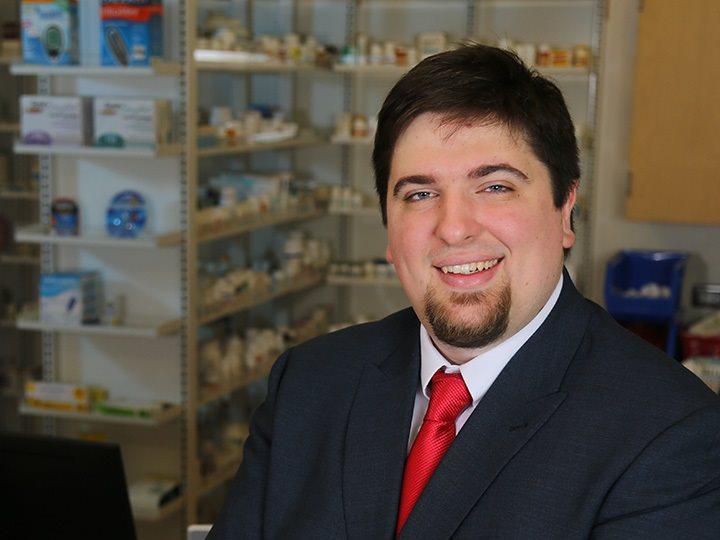
UH Pharmacy professor receives $3.3 million grant for safe medication disposal education, research
IMAGE

Credit: University of Houston

During the global coronavirus pandemic, the opioid crisis in the United States “has grown into a much more complicated and deadly drug overdose epidemic,” according to a new report by the American Medical Association (AMA). Combined with the fact that one-third of teens who used drugs for the first time began by using a prescription drug for non-medical purposes, the need to dispose of medications in the home has amplified.

“A significant part of prescription drug misuse starts close to home, and with more families living intergenerationally due to COVID-19, it’s more important than ever to dispose of unused and unwanted prescription controlled- substance medications,” said Doug Thornton, director of the University of Houston Prescription Drug Misuse Education and Research (PREMIER) Center and assistant professor of pharmaceutical health outcomes and policy.

Thornton has received a $3.34 million supplement from the Texas Targeted Opioid Response program on his grant to expand education and training on medication single-use disposal systems. The kits are one-time use, safe disposal systems that deactivate drugs, preventing misuse and protecting the environment.

In the first phase of the project and until the pandemic hit, Thornton’s group helped community partners provide the single-use disposal systems at 498 different events throughout Texas that had over 36,000 people in attendance. They have also distributed them to fire departments and community pharmacies.

In this next phase, he will develop more targeted distribution methods and compare them to find which groups were most effective in distributing the kits and why.

“We want to establish some best practices of the top performers so we can continuously improve our distribution,” said Thornton. “We’re taking the extra step to examine what events are the most successful and how can we help facilitate the better use of these products by patients, so they’re not used inappropriately or not used at all.”

###

Thornton’s team includes Matthew Wanat, clinical associate professor of pharmacy practice; Danielle Campbell and Jessica Price of PREMIER; Tamara Al Rawwad, post-doctoral fellow; and graduate and professional pharmacy students Shweta Bapat, Tyler Varisco, Vaishnavi Tata and Callie Downs.

Media Contact
Laurie Fickman
[email protected]

Original Source

https://uh.edu/news-events/stories/2020/october-2020/10272020-doug-thornton-3.3-million-drug-disposal.php

Tags: AddictionCritical Care/Emergency MedicineDeath/DyingInternal MedicineMedical EducationMedicine/HealthPharmaceutical SciencesPharmaceutical/Combinatorial Chemistry
Share12Tweet8Share2ShareShareShare2

Related Posts

Microenvironment Shapes Gold-Catalysed CO2 Electroreduction

Microenvironment Shapes Gold-Catalysed CO2 Electroreduction

December 11, 2025
Photoswitchable Olefins Enable Controlled Polymerization

Photoswitchable Olefins Enable Controlled Polymerization

December 11, 2025

Cation Hydration Entropy Controls Chloride Ion Diffusion

December 10, 2025

Iridium Catalysis Enables Piperidine Synthesis from Pyridines

December 3, 2025
Please login to join discussion

POPULAR NEWS

  • Nurses’ Views on Online Learning: Effects on Performance

    Nurses’ Views on Online Learning: Effects on Performance

    70 shares
    Share 28 Tweet 18
  • NSF funds machine-learning research at UNO and UNL to study energy requirements of walking in older adults

    70 shares
    Share 28 Tweet 18
  • MoCK2 Kinase Shapes Mitochondrial Dynamics in Rice Fungal Pathogen

    72 shares
    Share 29 Tweet 18
  • Unraveling Levofloxacin’s Impact on Brain Function

    52 shares
    Share 21 Tweet 13

About

We bring you the latest biotechnology news from best research centers and universities around the world. Check our website.

Follow us

Recent News

nSOFA Scores Forecast Extended Ventilation in Neonates

Unrecognized Lean MASLD in U.S. Adults Revealed

Muscle Metrics Link Malnutrition Risks in Older Patients

Subscribe to Blog via Email

Enter your email address to subscribe to this blog and receive notifications of new posts by email.

Join 70 other subscribers
  • Contact Us

Bioengineer.org © Copyright 2023 All Rights Reserved.

Welcome Back!

Login to your account below

Forgotten Password?

Retrieve your password

Please enter your username or email address to reset your password.

Log In
No Result
View All Result
  • Homepages
    • Home Page 1
    • Home Page 2
  • News
  • National
  • Business
  • Health
  • Lifestyle
  • Science

Bioengineer.org © Copyright 2023 All Rights Reserved.