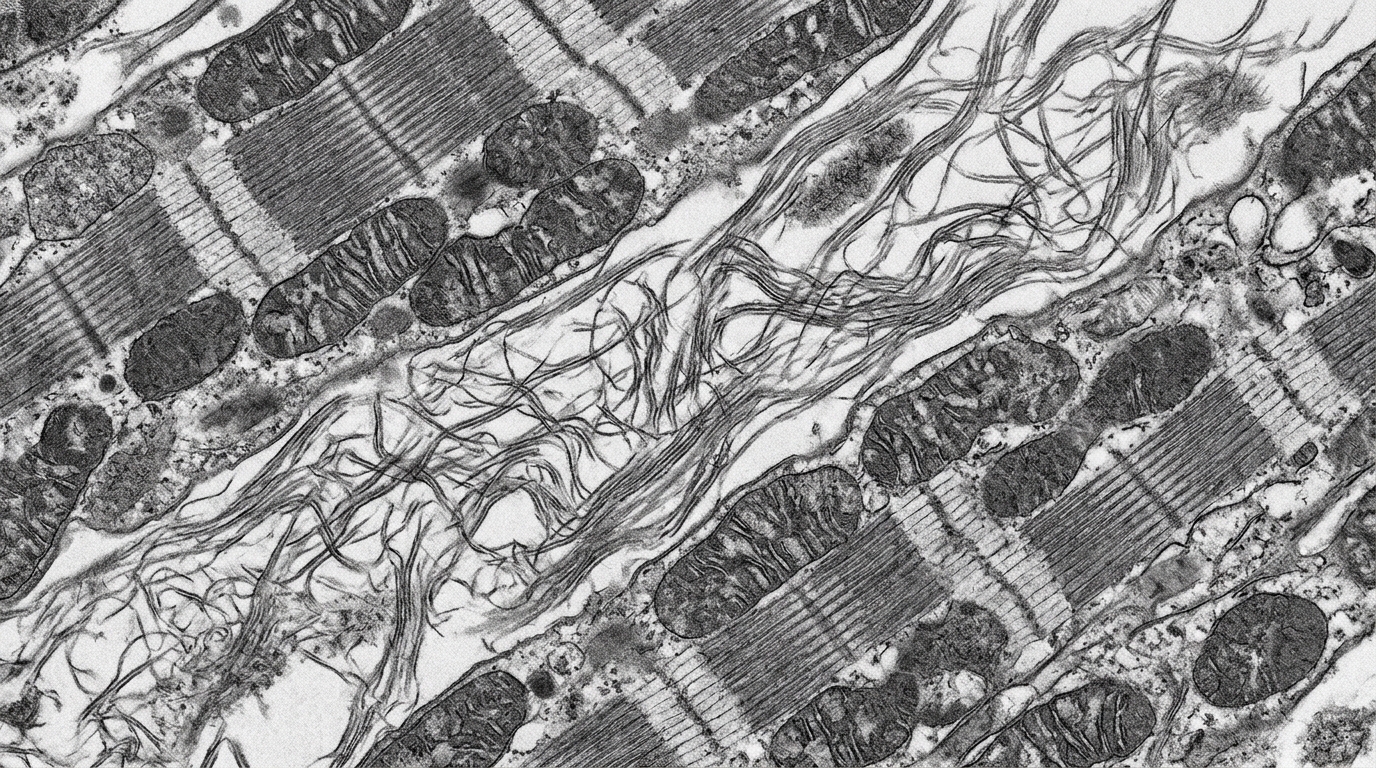
Cardiovascular involvement in protein misfolding diseases represents the primary determinant of patient morbidity and mortality, according to a review published in Nature Reviews Cardiology by Kimon Stamatelopoulos, Georgios Georgiopoulos, Konstantinos Stellos, and colleagues. Protein misfolding disorders are systemic conditions that impose a substantial and frequently under-recognized pathological burden across both the heart and the vasculature. At the core of these conditions is the failure of proteostasis pathways that normally safeguard cardiomyocyte integrity against cellular damage. In ageing and disease, the progressive loss of proteostasis triggers polypeptide aggregation and molecular seeding, initiating cascades of proteotoxic stress, severe inflammation, and organ injury throughout cardiovascular tissues. These pathophysiological mechanisms drive oligomer toxicity, extensive amyloid deposition, microvascular injury, and thrombosis, which ultimately culminate in progressive cardiac dysfunction and widespread vascular impairment. Because these systemic disorders share fundamental disease pathways, advancing an in-depth understanding of their underlying pathophysiology opens crucial opportunities to establish shared methodologies that accelerate early disease recognition and guide precision treatments.
Within the broad spectrum of protein misfolding diseases, the authors define distinct cardiovascular hallmarks and disease-specific organ tropisms, identifying immunoglobulin light chain amyloidosis and transthyretin amyloidosis as prototypical cardiovascular proteinopathies. The review also evaluates how neurodegenerative proteinopathies extend their pathological reach along the heart–vascular–brain axis and the heart–kidney–vascular–brain axis. In these complex conditions, the accumulation of specific amyloidogenic precursors plays a direct role in driving organ and vessel pathology. Notably, the accumulation of amyloid-β and α-synuclein contributes significantly to autonomic nervous system dysfunction, vascular impairment, and adverse clinical outcomes. In parallel, the amyloidogenic precursor medin contributes directly to vascular pathologies.
To counter the high burden of morbidity and mortality, the authors synthesize established diagnostic pathways and clinical indicators essential for the timely recognition of cardiovascular involvement. The review details both established and emerging biomarkers designed to evaluate dynamic vascular stress and circulating proteotoxic load. For designated at-risk subpopulations, the researchers recommend comprehensive multimodal monitoring approaches that integrate advanced cardiovascular imaging, sensitive biomarker profiles, and artificial intelligence-assisted diagnostic tools.
Turning to the therapeutic landscape, the authors map out current and emerging treatment modalities designed to tackle protein misfolding disorders at distinct stages of pathogenesis. However, despite these therapeutic gains, a clinically meaningful residual cardiovascular risk remains an enduring challenge for clinicians and patients alike.
To bridge remaining translational gaps and address persistent clinical challenges, the authors propose a comprehensive forward-looking research roadmap for the field. This roadmap prioritizes systematic cardiovascular screening initiatives across at-risk patient populations, paired with the establishment of harmonized methodologies for objective vascular phenotyping. It also calls for conducting biomarker-anchored mechanistic clinical trials designed to evaluate therapeutic interventions across different protein misfolding diseases. Crucially, the proposed roadmap highlights the deployment of artificial intelligence-based approaches and precision medicine frameworks that synthesize multifaceted patient data.
Subject of Research: Cardiovascular involvement, underlying mechanisms, and therapeutic landscape of protein misfolding diseases
Article Title: Cardiac and vascular involvement in protein misfolding diseases
Article References: Stamatelopoulos, K., Georgiopoulos, G., Aimo, A., Aivalioti, E., Bauer, K. C., Tual-Chalot, S., Kraler, S., Bampatsias, D., Nuvolone, M., Abdellatif, M., Delialis, D., Laske, C., Briasoulis, A., Vlachopoulos, C., Tavernarakis, N., Vendruscolo, M., Emdin, M., Hoppe, T., Trougakos, I., … Stellos, K. (2026). Cardiac and vascular involvement in protein misfolding diseases. Nature Reviews Cardiology. https://doi.org/10.1038/s41569-026-01359-8
Image Credits: AI Generated
DOI: 10.1038/s41569-026-01359-8
Keywords: protein misfolding, cardiovascular disease, amyloidosis, transthyretin amyloidosis, immunoglobulin light chain amyloidosis, proteostasis, vascular dysfunction, precision medicine, Cardiac, vascular, involvement, protein
News Source: Ophelia Keating. (November 6, 2026). Review Outlines Cardiovascular Impact and Treatment Frontiers in Protein Misfolding Diseases. Scienmag.