• HOME
  • NEWS
  • EXPLORE
    • CAREER
      • Companies
      • Jobs
    • EVENTS
    • iGEM
      • News
      • Team
    • PHOTOS
    • VIDEO
    • WIKI
  • BLOG
  • COMMUNITY
    • FACEBOOK
    • INSTAGRAM
    • TWITTER
Friday, May 15, 2026
BIOENGINEER.ORG
No Result
View All Result
  • Login
  • HOME
  • NEWS
  • EXPLORE
    • CAREER
      • Companies
      • Jobs
        • Lecturer
        • PhD Studentship
        • Postdoc
        • Research Assistant
    • EVENTS
    • iGEM
      • News
      • Team
    • PHOTOS
    • VIDEO
    • WIKI
  • BLOG
  • COMMUNITY
    • FACEBOOK
    • INSTAGRAM
    • TWITTER
  • HOME
  • NEWS
  • EXPLORE
    • CAREER
      • Companies
      • Jobs
        • Lecturer
        • PhD Studentship
        • Postdoc
        • Research Assistant
    • EVENTS
    • iGEM
      • News
      • Team
    • PHOTOS
    • VIDEO
    • WIKI
  • BLOG
  • COMMUNITY
    • FACEBOOK
    • INSTAGRAM
    • TWITTER
No Result
View All Result
Bioengineer.org
No Result
View All Result
Home NEWS Science News Cancer

Researchers to study brain cancer with Department of Defense funding

Bioengineer by Bioengineer
September 19, 2018
in Cancer
Reading Time: 2 mins read
0
Share on FacebookShare on TwitterShare on LinkedinShare on RedditShare on Telegram
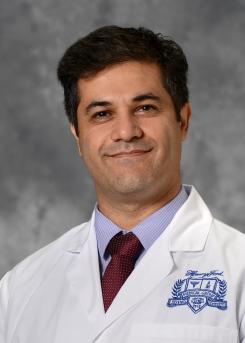
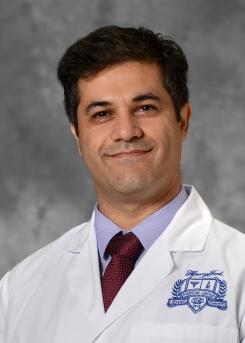
IMAGE

Credit: Henry Ford Health System

DETROIT- Henry Ford Health System's Department of Neurosurgery was awarded a $600,000 grant by the Department of Defense to study the genetic makeup of gliomas, a type of brain cancer, in hope of identifying new therapies.

Houtan Noushmehr, Ph.D., the study's principal investigator, says researchers will explore the molecular features of DNA from patients with aggressive and non-aggressive forms of glioma. Researchers then will apply next generation sequencing to analyze potential changes at the DNA level, hoping to identify a cause that is driving the more aggressive cancer type.

"We are very excited to receive this important grant from the Department of Defense," Dr. Noushmehr says. "This disease not only affects military personnel and veterans, but also civilians as well. We hope to unravel new insights and understanding of this most debilitating disease affecting adults, with the ultimate goal of treating and hopefully expanding new drug targets."

U.S. Sen. John McCain from Arizona died recently after a year-long battle with a glioma brain tumor.

In previous research, Dr. Noushmehr and colleagues discovered that when DNA methylation occurred, patients had a good clinical outcome; when the DNA methylation was lost, patients had a poor outcome. Methylation is a biochemical process that alters the expression of a gene (turns it on or off like a light switch). Researchers also identified a set of molecular signatures or biomarkers that can predict a patient's initial diagnosis. Additionally, they determined which tumors are likely to recur with a more aggressive tumor type by analyzing the patient's initial tumor sample.

Dr. Noushmehr says the emerging field of molecular therapies has the potential to improve patient outcomes. It would also allow neuro-oncologists to predict which patients are at higher risk of recurrence and require more aggressive therapies, he says.

"As a neurosurgeon who has treated glioma patients for many years, I'm excited about this research in this era of precision medicine because the data helps open the door to new treatments and improved clinical outcomes for patients suffering from this type of brain cancer," says Steven Kalkanis, M.D., chair of the Henry Ford Department of Neurosurgery and medical director of the Henry Ford Cancer Institute.

###

Media Contact

Renee Shimmel
[email protected]
313-876-8440
@henryfordnews

https://www.henryford.com/

Original Source

https://www.henryford.com/news/2018/09/dod-brain-cancer-study

Share12Tweet8Share2ShareShareShare2

Related Posts

Stem Cells: Key Link Between Exercise and Tumors

May 14, 2026

Expanding Proton Therapy Access: Five New Centres Planned Across Romania, Greece, Italy, Northern Ireland, and Poland to Serve Patients Europe-Wide

May 14, 2026

Rare Case of Extraluminal Esophageal Cancer Invading Spine Detected Despite Normal Endoscopy

May 14, 2026

Nanotechnology Special Issue Highlights Smart Platforms Driving Advances in Precision Cancer Therapy

May 14, 2026
Please login to join discussion

POPULAR NEWS

  • Research Indicates Potential Connection Between Prenatal Medication Exposure and Elevated Autism Risk

    842 shares
    Share 337 Tweet 211
  • New Study Reveals Plants Can Detect the Sound of Rain

    729 shares
    Share 291 Tweet 182
  • Salmonella Haem Blocks Macrophages, Boosts Infection

    62 shares
    Share 25 Tweet 16
  • Breastmilk Balances E. coli and Beneficial Bacteria in Infant Gut Microbiomes

    58 shares
    Share 23 Tweet 15

About

We bring you the latest biotechnology news from best research centers and universities around the world. Check our website.

Follow us

Recent News

Precision Therapies Offer New Hope Against Drug-Resistant Bacteria

UCLA to Head $9M Study Investigating the Connection Between Pesticides, Air Pollutants, and Parkinson’s Disease Risk

Stem Cells: Key Link Between Exercise and Tumors

Subscribe to Blog via Email

Enter your email address to subscribe to this blog and receive notifications of new posts by email.

Join 82 other subscribers
  • Contact Us

Bioengineer.org © Copyright 2023 All Rights Reserved.

Welcome Back!

Login to your account below

Forgotten Password?

Retrieve your password

Please enter your username or email address to reset your password.

Log In
No Result
View All Result
  • Homepages
    • Home Page 1
    • Home Page 2
  • News
  • National
  • Business
  • Health
  • Lifestyle
  • Science

Bioengineer.org © Copyright 2023 All Rights Reserved.