• HOME
  • NEWS
  • EXPLORE
    • CAREER
      • Companies
      • Jobs
    • EVENTS
    • iGEM
      • News
      • Team
    • PHOTOS
    • VIDEO
    • WIKI
  • BLOG
  • COMMUNITY
    • FACEBOOK
    • INSTAGRAM
    • TWITTER
Sunday, May 17, 2026
BIOENGINEER.ORG
No Result
View All Result
  • Login
  • HOME
  • NEWS
  • EXPLORE
    • CAREER
      • Companies
      • Jobs
        • Lecturer
        • PhD Studentship
        • Postdoc
        • Research Assistant
    • EVENTS
    • iGEM
      • News
      • Team
    • PHOTOS
    • VIDEO
    • WIKI
  • BLOG
  • COMMUNITY
    • FACEBOOK
    • INSTAGRAM
    • TWITTER
  • HOME
  • NEWS
  • EXPLORE
    • CAREER
      • Companies
      • Jobs
        • Lecturer
        • PhD Studentship
        • Postdoc
        • Research Assistant
    • EVENTS
    • iGEM
      • News
      • Team
    • PHOTOS
    • VIDEO
    • WIKI
  • BLOG
  • COMMUNITY
    • FACEBOOK
    • INSTAGRAM
    • TWITTER
No Result
View All Result
Bioengineer.org
No Result
View All Result
Home NEWS Science News Health

Researchers standardise test for predicting transplant rejection

Bioengineer by Bioengineer
May 29, 2019
in Health
Reading Time: 2 mins read
0
IMAGE
Share on FacebookShare on TwitterShare on LinkedinShare on RedditShare on Telegram

IMAGE

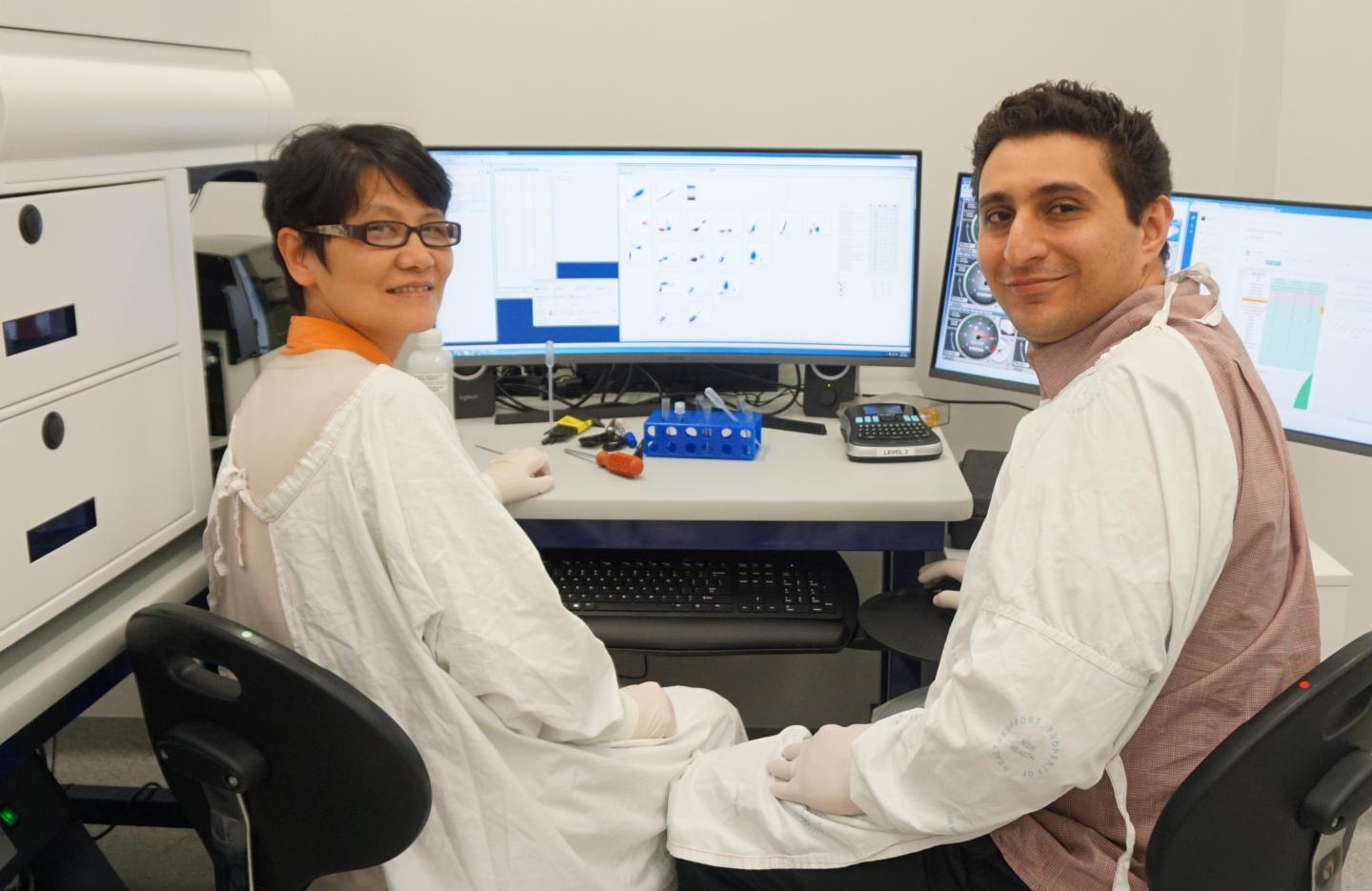
Credit: Westmead Institute for Medical Research

Researchers from The Westmead Institute for Medical Research have developed a standardised method of measuring the immune response in islet transplant recipients, helping predict patient outcomes.

Islet transplantation is a frontier therapy for type 1 diabetes with notable success in hypoglycaemic patients, where pancreatic beta cells from a donor are transplanted into a recipient, enabling the body to produce insulin, and regulate blood sugar.

Transplant recipients are given immunosuppressant medication to prevent the immune system from attacking and destroying the transplant. However, rejection may still occur in certain instances.

Lead researcher Dr Min Hu and her team aimed to standardise a method using flow cytometry – technology that detects and measures the characteristics of a group of cells – to analyse the immune cells present in blood samples.

The research built on existing findings, which established that certain profiling panels (sets of characteristics that are detected and measured) could be used on flow cytometers to monitor the major immune cells involved in transplantation.

Dr Hu said, “In the short term, islet transplant recipients do well. However, longer term, we see cases of rejection increase.

“Transplant rejection is a major cause of graft loss and loss of function. It is important that we develop a means of predicting the likelihood of rejection, so that we can intervene.

“We built on existing research and developed a consistent method of using flow cytometry to analyse the immune-cell-count, and subsets of immune cells present in the blood of transplant recipients. This involved the standardisation of a number of factors, such as sample handling and instrument set up.

“We found that this method was easy to use and produced consistent results across a number of samples.

“Importantly, we also found that this method had a very limited impact on the patient – only 1.5mL of blood was required for testing.”

Islet transplantation is currently only administered in clinical trials. Dr Hu said the research findings could be used in conjunction with current clinical trials to monitor patients after a transplant.

“Islet transplantation is an important breakthrough for people with type 1 diabetes. If the transplant is tolerated, it can significantly improve the patients’ quality of life.

“Unfortunately, we currently have no method of predicting how a patient will respond to a transplant.

“By using this standardised method of flow cytometry to monitor changes in the immune system, this research could help predict whether a patient will reject a transplant, enabling early intervention, and the potential development of other solutions to stop rejection from occurring.”

###

The paper was published in PLOS ONE.

Dr Min Hu is affiliated with The Westmead Institute for Medical Research and The University of Sydney Westmead Clinical Schools.

Media Contact
Alison Grinyer
[email protected]

Original Source

https://www.westmeadinstitute.org.au/news-and-events/2019/researchers-standardise-test-for-predicting-transp

Related Journal Article

http://dx.doi.org/10.1371/journal.pone.0217163

Tags: Medicine/HealthUrogenital System
Share12Tweet8Share2ShareShareShare2

Related Posts

Physical Resilience Linked to Aging Views in Chinese Elders

May 17, 2026

Tau T205 Phosphorylation Controls Memory and Engrams

May 17, 2026

Phocaeicola dorei Eases Liver Fibrosis via Efferocytosis

May 17, 2026

Boosting Aging Positivity and Activity in Older Couples

May 17, 2026
Please login to join discussion

POPULAR NEWS

  • Research Indicates Potential Connection Between Prenatal Medication Exposure and Elevated Autism Risk

    844 shares
    Share 338 Tweet 211
  • New Study Reveals Plants Can Detect the Sound of Rain

    730 shares
    Share 291 Tweet 182
  • Salmonella Haem Blocks Macrophages, Boosts Infection

    62 shares
    Share 25 Tweet 16
  • Breastmilk Balances E. coli and Beneficial Bacteria in Infant Gut Microbiomes

    58 shares
    Share 23 Tweet 15

About

We bring you the latest biotechnology news from best research centers and universities around the world. Check our website.

Follow us

Recent News

Noncanonical Sulfur Metabolism, Immunity Altered in Down Syndrome

Physical Resilience Linked to Aging Views in Chinese Elders

Tau T205 Phosphorylation Controls Memory and Engrams

Subscribe to Blog via Email

Enter your email address to subscribe to this blog and receive notifications of new posts by email.

Join 82 other subscribers
  • Contact Us

Bioengineer.org © Copyright 2023 All Rights Reserved.

Welcome Back!

Login to your account below

Forgotten Password?

Retrieve your password

Please enter your username or email address to reset your password.

Log In
No Result
View All Result
  • Homepages
    • Home Page 1
    • Home Page 2
  • News
  • National
  • Business
  • Health
  • Lifestyle
  • Science

Bioengineer.org © Copyright 2023 All Rights Reserved.