• HOME
  • NEWS
  • EXPLORE
    • CAREER
      • Companies
      • Jobs
    • EVENTS
    • iGEM
      • News
      • Team
    • PHOTOS
    • VIDEO
    • WIKI
  • BLOG
  • COMMUNITY
    • FACEBOOK
    • INSTAGRAM
    • TWITTER
Friday, August 21, 2026
BIOENGINEER.ORG
No Result
View All Result
  • Login
  • HOME
  • NEWS
  • EXPLORE
    • CAREER
      • Companies
      • Jobs
        • Lecturer
        • PhD Studentship
        • Postdoc
        • Research Assistant
    • EVENTS
    • iGEM
      • News
      • Team
    • PHOTOS
    • VIDEO
    • WIKI
  • BLOG
  • COMMUNITY
    • FACEBOOK
    • INSTAGRAM
    • TWITTER
  • HOME
  • NEWS
  • EXPLORE
    • CAREER
      • Companies
      • Jobs
        • Lecturer
        • PhD Studentship
        • Postdoc
        • Research Assistant
    • EVENTS
    • iGEM
      • News
      • Team
    • PHOTOS
    • VIDEO
    • WIKI
  • BLOG
  • COMMUNITY
    • FACEBOOK
    • INSTAGRAM
    • TWITTER
No Result
View All Result
Bioengineer.org
No Result
View All Result
Home NEWS Science News Health

Researchers develop a database to aid in identifying key genes for bacterial infections

Bioengineer by Bioengineer
November 19, 2019
in Health
Reading Time: 2 mins read
0
IMAGE
Share on FacebookShare on TwitterShare on LinkedinShare on RedditShare on Telegram

BacFITBase helps identify therapeutic targets for the production of new antibiotics
IMAGE

Credit: UAB

Infectious diseases are caused by pathogenic microorganisms capable of entering, colonising and growing within a host organism, thus producing an infection. Bacterial infections have been on the rise worldwide in recent years, but many mechanisms underlying bacterial pathogenesis are still poorly understood. This is highly relevant given the fact that the development of new antimicrobial therapies is largely based on current knowledge of the mechanisms behind these infections. The proteins coded by the bacterial genes are responsible for the thousands of biochemical processes essential for the efficient propagation of the pathogen. Many studies demonstrate, however, that in order to identify these genes, in vivo information is needed on what happens with the bacteria in a real case of an infected host. The in vitro studies, i.e., those recreated in laboratories with cell and bacterial cultures, later do not always correlate with data from in vivo studies. This is due to the fact that pathogenic bacterial genes essential for producing the infections depend on the environment of the colonised organism.

A team of researchers from the Department of Biochemistry and Molecular Biology of the Universitat Autònoma de Barcelona and from the Centre of Genomic Regulation (CRG) has created the BacFITBase database. Based on the results of the in vivo experiments, researchers systematically characterised the bacterial genes relevant for host cell invasion and infection. All the experiments performed were based on a technique named transposon mutagenesis, where the DNA fragments called transposons are transferred to the organism’s pathogenic genes, thereby inactivating them.

By doing so, their role in the infection can be observed directly and researchers can determine which are essential for a specific host organism to become infected. Therefore, this database will make it easier to identify target proteins that can help in fighting infectious diseases and accelerate the development of new antimicrobial agents.

The database contains over 90,000 entries with information on specific pathogenic bacterial genes and their contribution to in vivo infectious conditions in five different host species. It includes information on a total of 15 bacteria (two variants of Salmonella enterica, Haemophilus influenzae, Streptococcus pyogenes, Porphyromonas gingivalis, Mycobacterium avium, three variants of Escherichia coli, Vibrio cholerae, Campylobacter jejuni, Klebsiella pneumoniae, Acinetobacter baumannii, Serratia marcescens and Vibrio parahaemolyticus) and 5 model vertebrates (cow, pig, hen, mouse and rabbit), with information across 10 different tissues.

###

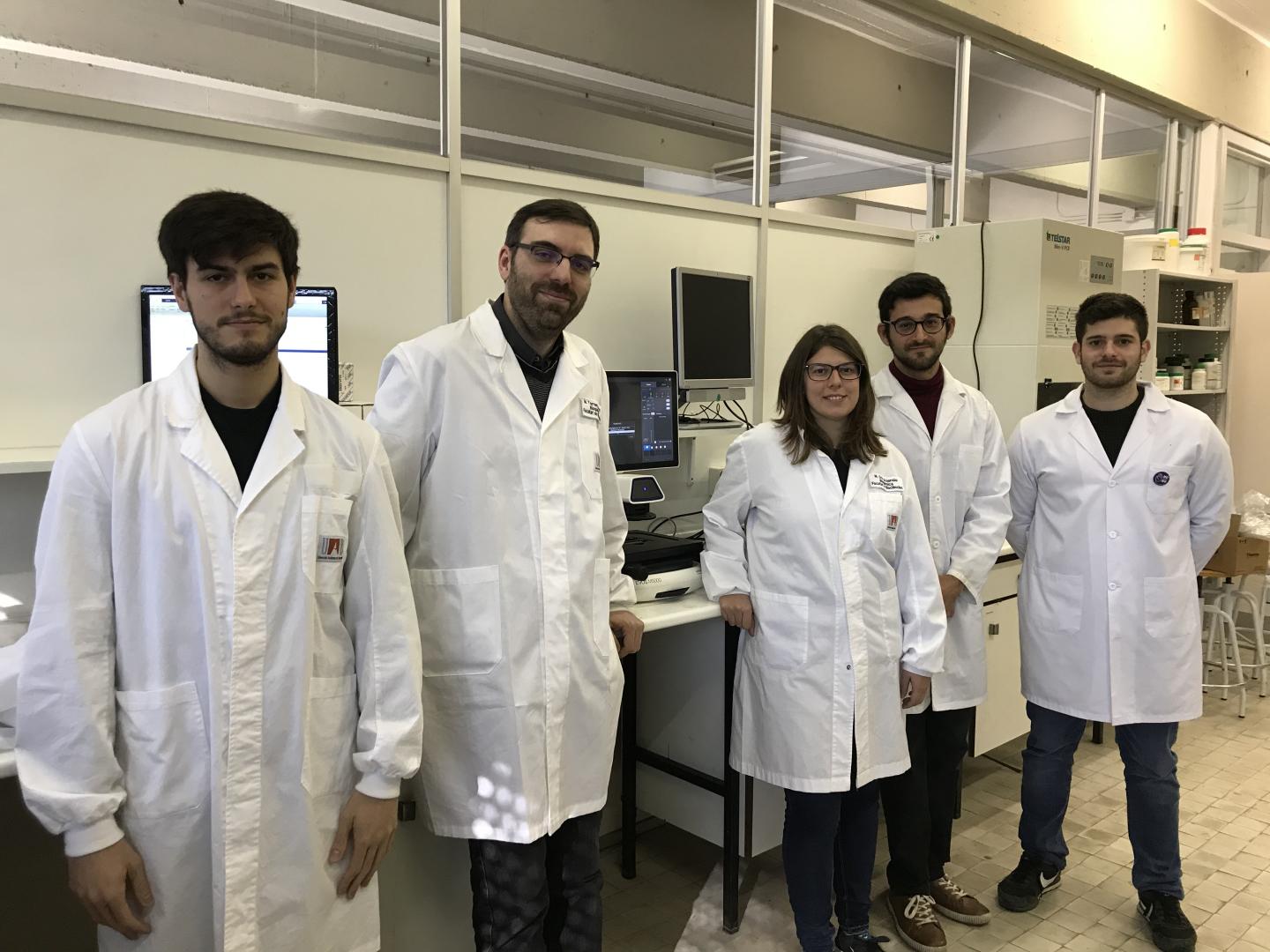
BacFITBase, published in the journal Nucleic Acids Research, was developed by researchers from the UAB Department of Biochemistry and Molecular Biology Javier Macho and Marc Torrent, alongside researchers from the Centre for Genomic Regulation (CRG) Benjamin Lang and Gian Gaetano Tartaglia.

Media Contact
Marc Torrent
[email protected]
34-935-814-147

Related Journal Article

http://dx.doi.org/10.1093/nar/gkz931

Tags: BiologyInfectious/Emerging DiseasesMedicine/HealthMolecular Biology
Share12Tweet8Share2ShareShareShare2

Related Posts

AI model predicts which patients benefit most from exercise-based cardiac rehabilitation

August 21, 2026

Bioengineered Acellular Regenerative Conduit Maintains Coronary Bypass Patency for 18 Months

August 21, 2026

Proteomic Atlas Maps Obesity Reversal Across Organs in Male Mice

August 21, 2026

Assessing Early-Onset Sepsis Risk in Extremely Preterm Infants to Improve Antibiotic Stewardship

August 21, 2026
Please login to join discussion

POPULAR NEWS

  • AI model predicts which patients benefit most from exercise-based cardiac rehabilitation

    29 shares
    Share 12 Tweet 7
  • Bioengineered Acellular Regenerative Conduit Maintains Coronary Bypass Patency for 18 Months

    29 shares
    Share 12 Tweet 7
  • Proteomic Atlas Maps Obesity Reversal Across Organs in Male Mice

    29 shares
    Share 12 Tweet 7
  • Assessing Early-Onset Sepsis Risk in Extremely Preterm Infants to Improve Antibiotic Stewardship

    29 shares
    Share 12 Tweet 7

About

BIOENGINEER.ORG

We bring you the latest biotechnology news from best research centers and universities around the world. Check our website.

Follow us

Recent News

AI model predicts which patients benefit most from exercise-based cardiac rehabilitation

Bioengineered Acellular Regenerative Conduit Maintains Coronary Bypass Patency for 18 Months

Proteomic Atlas Maps Obesity Reversal Across Organs in Male Mice

Subscribe to Blog via Email

Enter your email address to subscribe to this blog and receive notifications of new posts by email.

Join 85 other subscribers
  • Contact Us

Bioengineer.org © Copyright 2023 All Rights Reserved.

Welcome Back!

Login to your account below

Forgotten Password?

Retrieve your password

Please enter your username or email address to reset your password.

Log In
No Result
View All Result
  • Homepages
    • Home Page 1
    • Home Page 2
  • News
  • National
  • Business
  • Health
  • Lifestyle
  • Science

Bioengineer.org © Copyright 2023 All Rights Reserved.