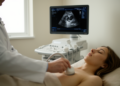
Women who undergo mastectomy and breast reconstruction can now consider a shorter course of radiation therapy without compromising their safety or their cancer outcomes, according to results from a national clinical trial published in the Journal of Clinical Oncology. The RT CHARM trial (Alliance A221505), led by the Alliance for Clinical Trials in Oncology in conjunction with NRG Oncology and the Canadian Cancer Trials Group, found that a three-week radiation schedule following mastectomy was as safe and effective as the standard five-week treatment for women undergoing breast reconstruction.
The findings address a long-standing gap in radiation oncology practice. For years, doctors have used a shorter radiation approach, known as hypofractionated radiation therapy, for women who have a lumpectomy, the surgery that removes the cancerous tumor while preserving the breast. This schedule delivers slightly higher daily doses of radiation per treatment over fewer total visits, reducing the overall treatment time by nearly half. However, the use of this shorter approach after mastectomy, which removes the entire breast, has been more limited for women who choose breast reconstruction.
The reason for that caution was straightforward: clinicians have been concerned that higher daily radiation doses could increase complications and affect the success of the reconstruction.
RT CHARM was designed to test that concern directly. The trial evaluated 828 patients at 209 academic and community medical centers across the United States and Canada. Half of the patients received standard radiation, delivered as 25 treatments over five to six weeks, while the other half received the shorter radiation schedule, delivered as 16 treatments over three to four weeks. The trial was a phase III randomized study, registered as NCT03414970, and included patients receiving both implant-based reconstructions and autologous reconstruction, which uses the patient’s own tissue, often called flaps.
Two years after treatment, surgical complication rates were similar between the two groups: 12.3 percent for those receiving the shorter schedule and 10.2 percent for those receiving the standard schedule. Statistical analysis confirmed that the shorter course was non-inferior to standard therapy with respect to reconstruction complications. In other words, the more concentrated radiation schedule did not produce the elevated complication risk that clinicians had feared.
Cancer control was also comparable between the two approaches. After nearly four years of follow-up, cancer recurrence rates in the treated area remained low for both groups, at 1.5 percent for the shorter schedule versus 2.2 percent for the standard schedule. These low rates in both arms indicate that compressing the radiation schedule into fewer visits did not sacrifice the treatment’s effectiveness against cancer in the treated region.
Because the trial included patients with both implant-based reconstructions and autologous flap reconstructions, the findings apply across the main reconstruction approaches used in modern practice.
“Patients undergoing mastectomy and reconstruction already face a challenging medical journey. Having the evidence to allow women to confidently shorten their radiation treatment from five weeks down to three will save patients time, reduce their financial stress, and let them get back to their daily lives sooner—all without increasing complications, lowering their chances of cure, or sacrificing cosmetic results,” said Matthew M. Poppe, MD, lead author of the study, a radiation oncologist at the Huntsman Cancer Institute at the University of Utah, and Vice Chair of the Alliance Breast Committee. “These results give us the data to safely change practice.”
“RT CHARM provides the clearest picture to date on how shorter radiation therapy schedules interact with modern breast reconstruction techniques,” Poppe added. “It gives radiation oncologists, breast surgeons, and plastic surgeons the reliable information they need to help patients make the most informed choices for their care.”
The practical implications of the trial extend beyond the clinic walls. For patients, a schedule shortened from five or six weeks to three or four weeks means fewer trips to a radiation facility, less time away from work and family, and reduced travel and financial burdens at a moment when they are also recovering from major surgery. The trial was supported in whole or in part by the National Cancer Institute of the National Institutes of Health, and the full results were published in the Journal of Clinical Oncology under the title “Randomized Trial of Hypofractionated Postmastectomy Radiation Therapy in Women With Breast Reconstruction (RT CHARM, Alliance A221505).”
Subject of Research: Hypofractionated postmastectomy radiation therapy in women with breast reconstruction
Article Title: Three-week radiation course a safe option for breast cancer patients undergoing reconstruction, Alliance trial shows
Article References: Three-week radiation course a safe option for breast cancer patients undergoing reconstruction, Alliance trial shows. Original publication (Bibliographic details unavailable.)
Image Credits: AI Generated
DOI: Not provided
Keywords: radiation therapy, breast reconstruction, mastectomy, hypofractionated radiation, RT CHARM trial, Alliance for Clinical Trials in Oncology, Journal of Clinical Oncology, cancer recurrence, surgical complications, clinical trial, breast cancer, radiation oncology
News Source: Nathaniel Bowman. (October 28, 2026). Research report: Three-week radiation course a safe option for breast cancer patients undergoing reconstruction, Alliance trial shows. Scienmag.