• HOME
  • NEWS
  • EXPLORE
    • CAREER
      • Companies
      • Jobs
    • EVENTS
    • iGEM
      • News
      • Team
    • PHOTOS
    • VIDEO
    • WIKI
  • BLOG
  • COMMUNITY
    • FACEBOOK
    • INSTAGRAM
    • TWITTER
Thursday, May 14, 2026
BIOENGINEER.ORG
No Result
View All Result
  • Login
  • HOME
  • NEWS
  • EXPLORE
    • CAREER
      • Companies
      • Jobs
        • Lecturer
        • PhD Studentship
        • Postdoc
        • Research Assistant
    • EVENTS
    • iGEM
      • News
      • Team
    • PHOTOS
    • VIDEO
    • WIKI
  • BLOG
  • COMMUNITY
    • FACEBOOK
    • INSTAGRAM
    • TWITTER
  • HOME
  • NEWS
  • EXPLORE
    • CAREER
      • Companies
      • Jobs
        • Lecturer
        • PhD Studentship
        • Postdoc
        • Research Assistant
    • EVENTS
    • iGEM
      • News
      • Team
    • PHOTOS
    • VIDEO
    • WIKI
  • BLOG
  • COMMUNITY
    • FACEBOOK
    • INSTAGRAM
    • TWITTER
No Result
View All Result
Bioengineer.org
No Result
View All Result
Home NEWS Science News Health

Research highlights possible targets to help tackle Crohn’s disease

Bioengineer by Bioengineer
June 17, 2019
in Health
Reading Time: 2 mins read
0
IMAGE
Share on FacebookShare on TwitterShare on LinkedinShare on RedditShare on Telegram

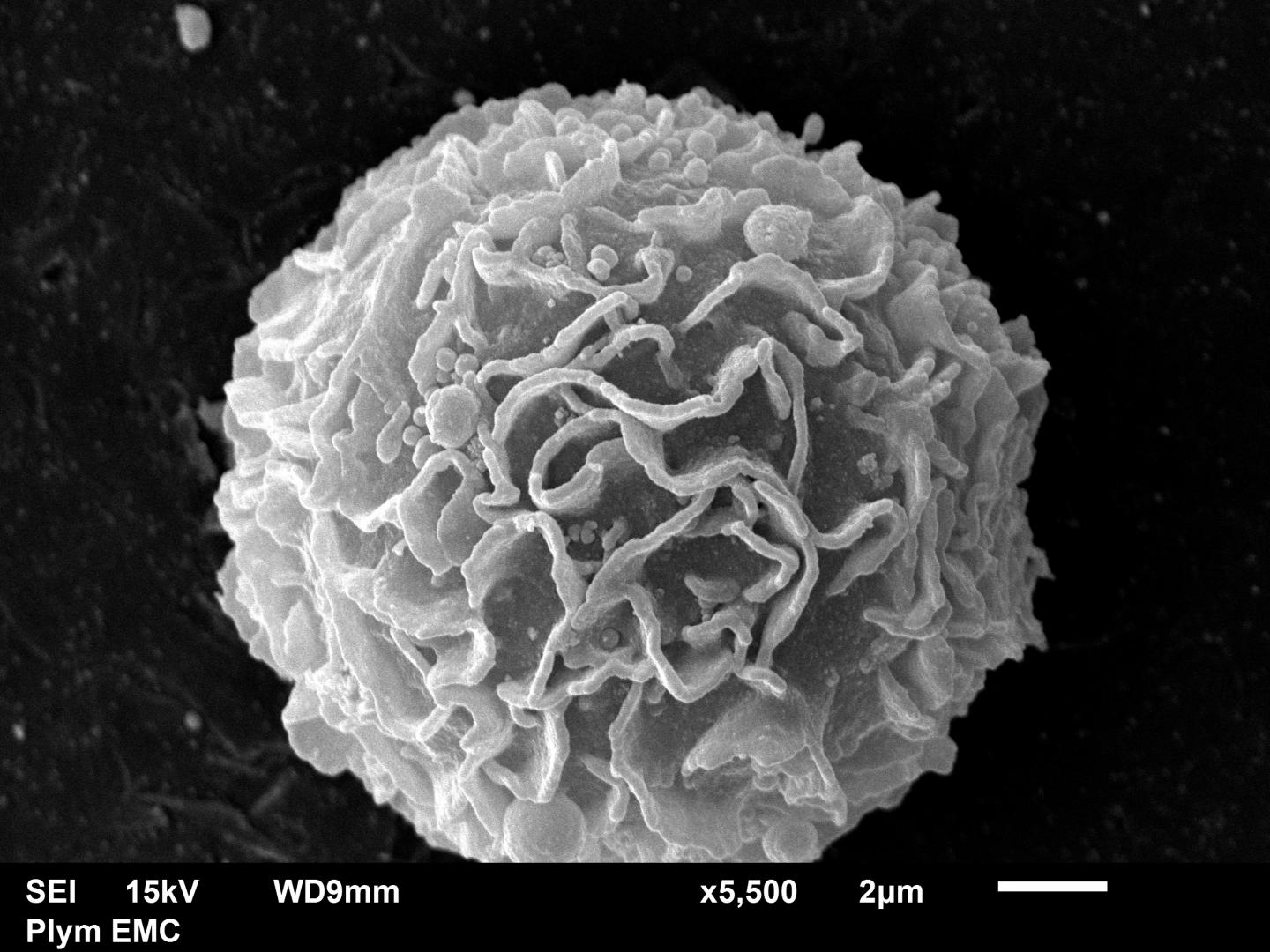
The research has focused on different types of cells called macrophages, and how they work when bacteria are present
IMAGE

Credit: University of Plymouth

Affecting around 115,000 people in the UK alone, Crohn’s Disease is a lifelong condition which sees parts of the digestive system become inflamed.
There is no precise cure and causes are believed to vary. But one indicator of the condition – an abnormal reaction of the immune system to certain bacteria in the intestines – has had new light shed on it thanks to scientists at the University of Plymouth.

The research has focused on different types of cells called macrophages, which are part of our immune system and are found in most tissues, where they patrol for potential harmful organisms and destroy them.

In inflammatory diseases, like Crohn’s, macrophages mediate the inflammatory destruction of the gut. Just how the tissue reacts (inflammation or suppression) is dependent on the type of macrophage cell present, and how it is stimulated – and scientists have been trying to get to the bottom of this.

The new research has shown how different types of macrophage – one type being pro-inflammatory and the other being anti-inflammatory – exhibit quite different molecular mechanisms involved in switching off their functional behaviour when bacteria are present.

And this difference, as study author Dr Andrew Foey explains, highlights the possibility of targeting and selectively suppressing the pro-inflammatory cells that drive diseases such as Crohn’s Disease.

“This small step in understanding of differential off-signalling of macrophage type may go hand-in-hand with understanding the relapsing/remitting presentation of Crohn’s Disease,” he said. “It is suggestive of future research endeavours in targeting macrophage responses in the treatment of inflammatory diseases – and it’s a really positive step.”

The full study, entitled ‘Macrophage subsets exhibit distinct E. coli-LPS tolerisable cytokines associated with the negative regulators, IRAK-M and Tollip’ is available to view in the journal PLOS ONE (doi: 10.1371/journal.pone.0214681).

The research was led by Dr Andrew Foey with Dr Khalid AlShaghdali and PhD student Barbara Durante from the School of Biomedical Sciences at the University of Plymouth, in collaboration with Dr Jane Beal, from the School of Biological and Marine Sciences.

Infection, Immunity and Inflammation is one of the key research themes in the Institute of Translational and Stratified Medicine (ITSMed) at the University of Plymouth.

The work was funded by University of Hail, Kingdom of Saudi Arabia.

###

Media Contact
Amy King
[email protected]

Related Journal Article

http://dx.doi.org/10.1371/journal.pone.0214681

Tags: BiologyCell BiologyGastroenterologyInternal MedicineMetabolism/Metabolic DiseasesMicrobiologyPhysiology
Share16Tweet8Share2ShareShareShare2

Related Posts

Maveropepimut-S Combo Shows Promise in Ovarian Cancer

May 14, 2026

New Global Study Reveals Challenges in Combating High Blood Pressure Effectively

May 13, 2026

Randomised Controlled Trial Finds Semaglutide Effective for Severe Obesity in Long-Term Treatment-Resistant Young Patients

May 13, 2026

Unraveling Dementia Networks in Singapore’s Elderly

May 13, 2026
Please login to join discussion

POPULAR NEWS

  • Research Indicates Potential Connection Between Prenatal Medication Exposure and Elevated Autism Risk

    842 shares
    Share 337 Tweet 211
  • New Study Reveals Plants Can Detect the Sound of Rain

    729 shares
    Share 291 Tweet 182
  • Salmonella Haem Blocks Macrophages, Boosts Infection

    62 shares
    Share 25 Tweet 16
  • Breastmilk Balances E. coli and Beneficial Bacteria in Infant Gut Microbiomes

    57 shares
    Share 23 Tweet 14

About

We bring you the latest biotechnology news from best research centers and universities around the world. Check our website.

Follow us

Recent News

Triple-Negative Breast Cancer Ecotypes and Chemotherapy Response

Maveropepimut-S Combo Shows Promise in Ovarian Cancer

Gaussian Boson Sampling: 1,024 Squeezed States, 8,176 Modes

Subscribe to Blog via Email

Enter your email address to subscribe to this blog and receive notifications of new posts by email.

Join 82 other subscribers
  • Contact Us

Bioengineer.org © Copyright 2023 All Rights Reserved.

Welcome Back!

Login to your account below

Forgotten Password?

Retrieve your password

Please enter your username or email address to reset your password.

Log In
No Result
View All Result
  • Homepages
    • Home Page 1
    • Home Page 2
  • News
  • National
  • Business
  • Health
  • Lifestyle
  • Science

Bioengineer.org © Copyright 2023 All Rights Reserved.