• HOME
  • NEWS
  • EXPLORE
    • CAREER
      • Companies
      • Jobs
    • EVENTS
    • iGEM
      • News
      • Team
    • PHOTOS
    • VIDEO
    • WIKI
  • BLOG
  • COMMUNITY
    • FACEBOOK
    • INSTAGRAM
    • TWITTER
Monday, May 18, 2026
BIOENGINEER.ORG
No Result
View All Result
  • Login
  • HOME
  • NEWS
  • EXPLORE
    • CAREER
      • Companies
      • Jobs
        • Lecturer
        • PhD Studentship
        • Postdoc
        • Research Assistant
    • EVENTS
    • iGEM
      • News
      • Team
    • PHOTOS
    • VIDEO
    • WIKI
  • BLOG
  • COMMUNITY
    • FACEBOOK
    • INSTAGRAM
    • TWITTER
  • HOME
  • NEWS
  • EXPLORE
    • CAREER
      • Companies
      • Jobs
        • Lecturer
        • PhD Studentship
        • Postdoc
        • Research Assistant
    • EVENTS
    • iGEM
      • News
      • Team
    • PHOTOS
    • VIDEO
    • WIKI
  • BLOG
  • COMMUNITY
    • FACEBOOK
    • INSTAGRAM
    • TWITTER
No Result
View All Result
Bioengineer.org
No Result
View All Result
Home NEWS Science News Biology

Research finds positive community action can help coral reef health

Bioengineer by Bioengineer
December 19, 2019
in Biology
Reading Time: 2 mins read
0
IMAGE
Share on FacebookShare on TwitterShare on LinkedinShare on RedditShare on Telegram

Research reveals lessons from the Pacific about balancing community and environmental needs
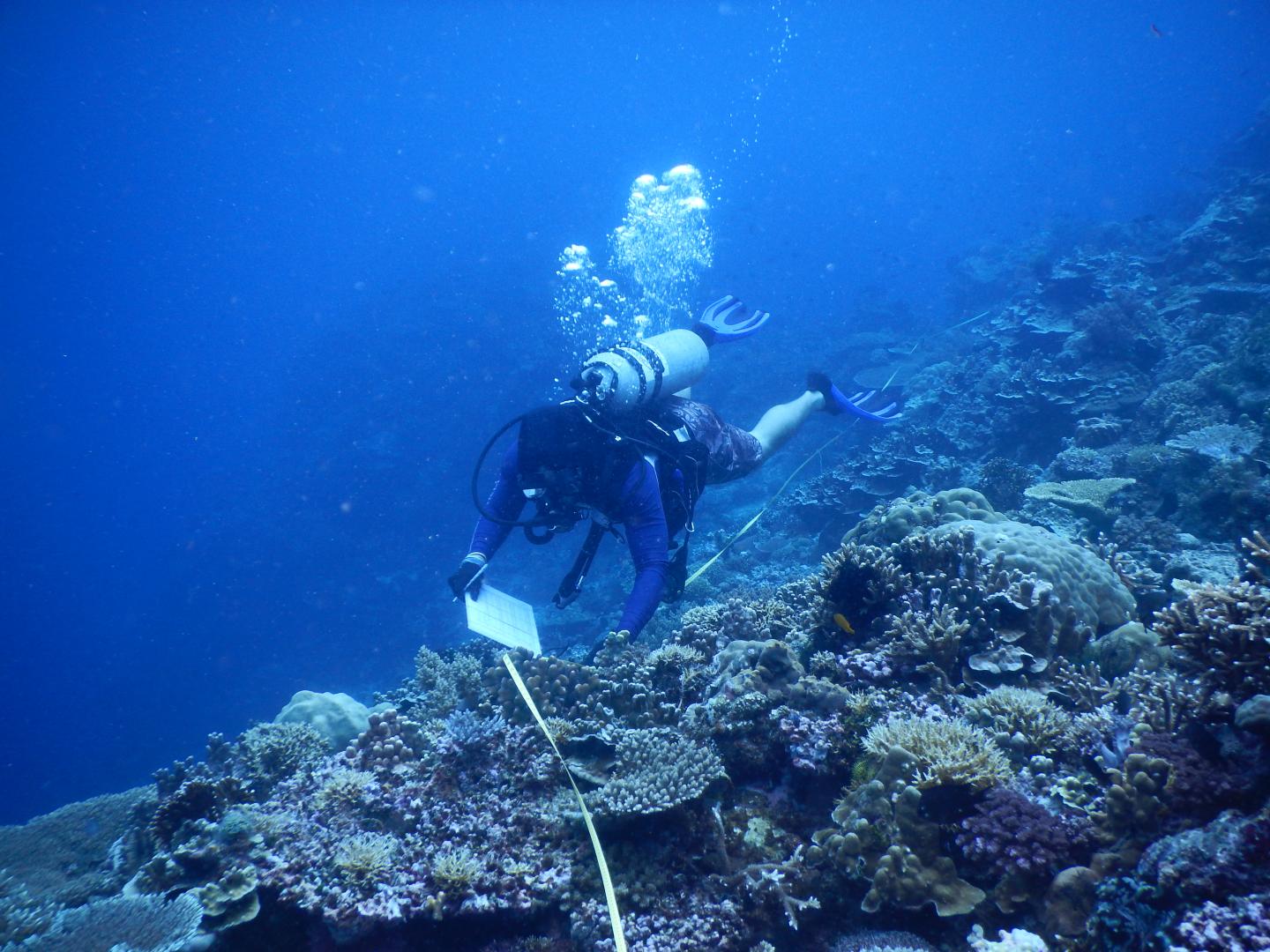
IMAGE

Credit: Dr Fraser Januchowski-Hartley.


New research has found that positive community action can boost fish numbers in coral reefs and safeguard fish numbers there in the future.

The research collaboration, which included academics from Swansea University’s College of Science, published their findings in the Proceedings of the National Academy of Sciences (PNAS). The paper details the social and ecological outcomes of the work being done in the Muluk and Wadau communities on Karkar Island, Papua New Guinea since 2001.

While coral reefs provide food and income for millions of people, reef health is declining worldwide, but these communities have established a traditional system of rotational fishing closures to manage their fisheries resources.

The communities ban fishing on part of their reefs for a few years, and open these closures when village elders and fishers believe that fishes have changed their behaviour and fish populations have recovered.

They then close a different part of their reef, and repeat the process. The researchers found that these practices resulted in more than twice as much fish on the closed reefs compared to open ones, and closures made fish less scared of people and easier to catch.

The local people saw the closure system as good for their livelihoods and each period of closure was celebrated with a feast which meant that closures were remembered positively by the community.

Lead author, Professor Josh Cinner of James Cook University in Australia said: “The communities use a carrot and stick approach to ensure everyone complies with the closures. If they follow the rules they earn the right to do a special type of night fishing called ‘bom bom’, but if someone breaks these rules, they are publically shamed.”

“These incentives to follow the rules are complemented with strong leadership and decision-making processes that allow the whole community to get involved and have a say.”

However the team did find that while the closures boosted the number of fish in the short term, it may not be enough to stop the overall impact of fishing. However the academics say that because the communities manage their reefs themselves they can shorten the period between closures which could lessen the impact on fish numbers.

Swansea University scientist, Dr Fraser Januchowski-Hartley said: “Our findings also show that while rotational closure system may not work everywhere, there could be some lessons that can be transferred to other places. For example, by adopting a system of property rights, encouraging participation and creating social norms communities can encourage more pro-environmental practices in the future.”

###

Media Contact
Delyth Purchase
[email protected]

Original Source

https://www.swansea.ac.uk/press-office/news-events/news/2019/12/research-finds-positive-community-action-can-help-coral-reef-health.php

Related Journal Article

http://dx.doi.org/10.1073/pnas.1914812116

Tags: BiologyEcology/EnvironmentGeographyMarine/Freshwater BiologyOceanography
Share12Tweet8Share2ShareShareShare2

Related Posts

Uncovering C. elegans Immunity via Genetic Screens — Biology

Uncovering C. elegans Immunity via Genetic Screens

May 16, 2026
Single mother must adapt swiftly — the survival of her colony depends on it — Biology

Single mother must adapt swiftly — the survival of her colony depends on it

May 15, 2026

Why Are Nearly Everyone Right-Handed? It Might Be Linked to How We Learned to Walk

May 15, 2026

Excessive Neuronal Activity Initiates Severe Autoimmune Brain Disorder

May 15, 2026
Please login to join discussion

POPULAR NEWS

  • Research Indicates Potential Connection Between Prenatal Medication Exposure and Elevated Autism Risk

    844 shares
    Share 338 Tweet 211
  • New Study Reveals Plants Can Detect the Sound of Rain

    731 shares
    Share 292 Tweet 182
  • Salmonella Haem Blocks Macrophages, Boosts Infection

    62 shares
    Share 25 Tweet 16
  • Breastmilk Balances E. coli and Beneficial Bacteria in Infant Gut Microbiomes

    58 shares
    Share 23 Tweet 15

About

We bring you the latest biotechnology news from best research centers and universities around the world. Check our website.

Follow us

Recent News

Sharpening Our View of Bacteria

Spaceborne Snapshot Compressive Hyperspectral Imaging Advances

AI Enhances Quality Control of Schistosomiasis Tests

Subscribe to Blog via Email

Enter your email address to subscribe to this blog and receive notifications of new posts by email.

Join 82 other subscribers
  • Contact Us

Bioengineer.org © Copyright 2023 All Rights Reserved.

Welcome Back!

Login to your account below

Forgotten Password?

Retrieve your password

Please enter your username or email address to reset your password.

Log In
No Result
View All Result
  • Homepages
    • Home Page 1
    • Home Page 2
  • News
  • National
  • Business
  • Health
  • Lifestyle
  • Science

Bioengineer.org © Copyright 2023 All Rights Reserved.