• HOME
  • NEWS
  • EXPLORE
    • CAREER
      • Companies
      • Jobs
    • EVENTS
    • iGEM
      • News
      • Team
    • PHOTOS
    • VIDEO
    • WIKI
  • BLOG
  • COMMUNITY
    • FACEBOOK
    • INSTAGRAM
    • TWITTER
Sunday, May 17, 2026
BIOENGINEER.ORG
No Result
View All Result
  • Login
  • HOME
  • NEWS
  • EXPLORE
    • CAREER
      • Companies
      • Jobs
        • Lecturer
        • PhD Studentship
        • Postdoc
        • Research Assistant
    • EVENTS
    • iGEM
      • News
      • Team
    • PHOTOS
    • VIDEO
    • WIKI
  • BLOG
  • COMMUNITY
    • FACEBOOK
    • INSTAGRAM
    • TWITTER
  • HOME
  • NEWS
  • EXPLORE
    • CAREER
      • Companies
      • Jobs
        • Lecturer
        • PhD Studentship
        • Postdoc
        • Research Assistant
    • EVENTS
    • iGEM
      • News
      • Team
    • PHOTOS
    • VIDEO
    • WIKI
  • BLOG
  • COMMUNITY
    • FACEBOOK
    • INSTAGRAM
    • TWITTER
No Result
View All Result
Bioengineer.org
No Result
View All Result
Home NEWS Science News Cancer

Renegade fat cells induce bone-damaging lesions in multiple myeloma

Bioengineer by Bioengineer
May 29, 2019
in Cancer
Reading Time: 2 mins read
0
IMAGE
Share on FacebookShare on TwitterShare on LinkedinShare on RedditShare on Telegram

IMAGE

Credit: [Credit: H. Liu et al., ScienceTranslational Medicine (2019)]

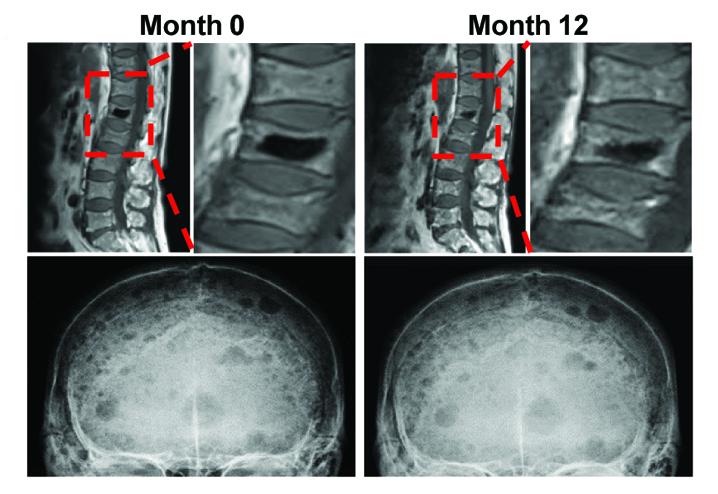
A study of samples from patients with multiple myeloma (MM) has demonstrated how “reprogrammed” fat cells contribute to long-lasting bone damage, even after the cancer has gone into remission. Targeting a molecular complex reduced the severity of damaging bone lesions in mice, hinting towards possible strategies for treating this common and debilitating complication of MM. This malignancy occurs when cancerous plasma cells accumulate in bone marrow and adversely impact the production of other blood cells. More than 80% of patients with MM also develop osteolytic lesions on their bones, which can cause severe pain and bone fractures. These lesions do not heal even if the underlying cancer is successfully treated, resulting in long-term deficits in bone healing and a lower quality of life. To understand why osteolytic lesions do not heal, Huan Liu and colleagues studied marrow samples from patients with active MM, patients in remission and healthy controls. They observed that the sites near osteolytic lesions harbored high amounts of bone marrow fat cells (or adipocytes). Adipocytes grown in culture alongside myeloma cells transitioned into a reprogrammed state where they released enzymes that suppressed bone formation and promoted bone breakdown. Further analysis showed myeloma cells converted adipocytes by activating a molecular complex called PRC2, which in turn repressed the activity of a receptor named PPARγ. Deactivating a component of PRC2 named EZH2 in adipocytes prevented their reprogramming and reduced the severity of bone lesions in a mouse model of MM remission, suggesting that restoring PPARγ activity could help heal bone lesions in patients.

###

Media Contact
Press Package Team
[email protected]

Related Journal Article

http://dx.doi.org/10.1126/scitranslmed.aau9087

Tags: cancerCell BiologyMedicine/Health
Share12Tweet8Share2ShareShareShare2

Related Posts

Interacting with an AI Doctor Before In-Person Consultations Enhances Cancer Patients’ Comprehension and Lowers Anxiety

May 17, 2026

New Blood Test Detects Tumor DNA to Guide Treatment in Advanced Cancer Cases

May 16, 2026

Revolutionizing Gastro-Oesophageal Adenocarcinoma Treatment: Progress and Prospects

May 15, 2026

Cancer-Linked Protein Plays Key Role in Tumor DNA Repair

May 15, 2026
Please login to join discussion

POPULAR NEWS

  • Research Indicates Potential Connection Between Prenatal Medication Exposure and Elevated Autism Risk

    844 shares
    Share 338 Tweet 211
  • New Study Reveals Plants Can Detect the Sound of Rain

    730 shares
    Share 291 Tweet 182
  • Salmonella Haem Blocks Macrophages, Boosts Infection

    62 shares
    Share 25 Tweet 16
  • Breastmilk Balances E. coli and Beneficial Bacteria in Infant Gut Microbiomes

    58 shares
    Share 23 Tweet 15

About

We bring you the latest biotechnology news from best research centers and universities around the world. Check our website.

Follow us

Recent News

Tau T205 Phosphorylation Controls Memory and Engrams

Phocaeicola dorei Eases Liver Fibrosis via Efferocytosis

Boosting Aging Positivity and Activity in Older Couples

Subscribe to Blog via Email

Enter your email address to subscribe to this blog and receive notifications of new posts by email.

Join 82 other subscribers
  • Contact Us

Bioengineer.org Ā© Copyright 2023 All Rights Reserved.

Welcome Back!

Login to your account below

Forgotten Password?

Retrieve your password

Please enter your username or email address to reset your password.

Log In
No Result
View All Result
  • Homepages
    • Home Page 1
    • Home Page 2
  • News
  • National
  • Business
  • Health
  • Lifestyle
  • Science

Bioengineer.org Ā© Copyright 2023 All Rights Reserved.