Climate change impacts assessed on water supplies in 17 western states
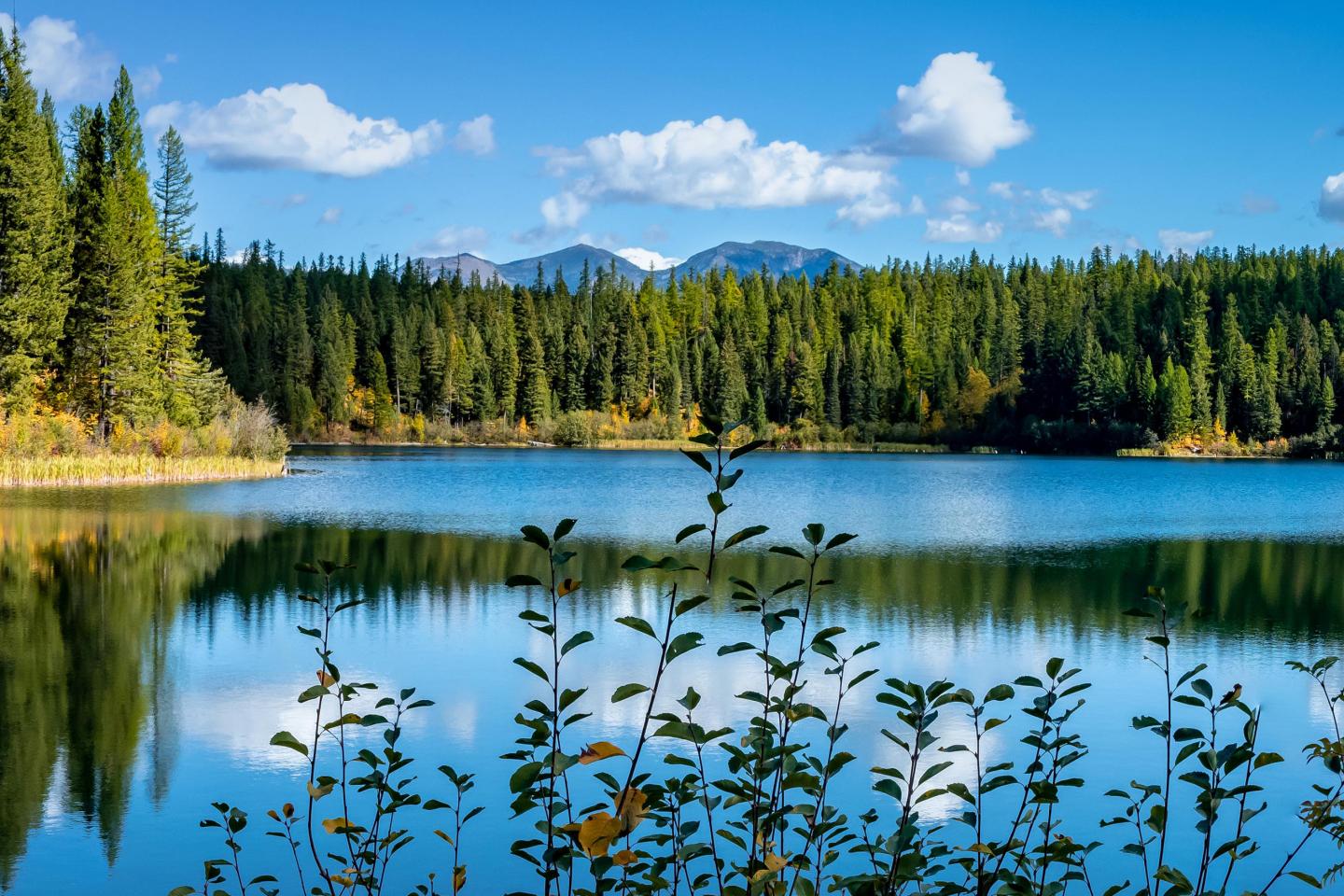
Credit: Bureau of Reclamation
The Bureau of Reclamation today released final technical reports supporting the Water Reliability in the West – 2021 SECURE Water Act Report. Reclamation’s 2021 West-Wide Climate and Hydrology Assessment and seven individual basin reports provide detailed information on climate change impacts and adaptation strategies to increase water supply reliability in the West. A new 2021 SECURE Report Web Portal is also available to provide a user-friendly, web-based format for delivery of information in the reports.
“Western water supply and delivery systems are affected by changing hydrologic conditions and competing demands,” Deputy Commissioner Camille Calimlim Touton said. “These reports highlight Reclamation’s effort to use the best-available science to meet its mission while also collaborating with its water and power customers, states and local agencies, and tribes to address critical western water management issues.”
The 2021 West-Wide Assessment provides estimates of changes in temperature, precipitation, snowpack, and streamflow across the West using consistent methodology, similar to previous SECURE Water Act Reports. For this report, additional drought analyses based on paleohydrology (using tree rings) was performed. These results will enable water managers to compare the frequency and severity of droughts that occurred several hundred years ago to projections of future droughts and develop water management strategies in time to take action.
The West-Wide Assessment finds that temperatures are expected to increase across the West while precipitation changes are variable. With warmer temperatures, more precipitation will fall as rain and snow will melt sooner, reducing snowpack in the future that can impact streamflow timing. These key findings on future climate and hydrology are consistent with the conclusions of the 2016 SECURE Water Act Report.
The seven basin reports analyze climate change impacts to water resources within each basin. Each report also identifies Reclamation’s collaborative actions to increase water and power delivery reliability since the last SECURE Water Act Report in 2016, including science and research, planning, infrastructure sustainability, efficient hydropower production and on-the-ground activities to meet irrigation needs and water needed for municipalities, power, Tribes and the environment. These basin reports also describe some of the innovative approaches underway locally to address vulnerabilities.
Reclamation is collaborating with its customers, stakeholders, and other partners to develop appropriate mitigation strategies to increased risks of drought and changes to precipitation, runoff, and increased temperatures. These strategies include:
- Supporting reliable water deliveries through construction activities and water management improvements, as well as diversifying supplies through water reuse and ground and surface water conjunctive use.
- Improving hydropower generation capability, flexibility, and reliability through new advanced decision support tools to maximize the amount of power produced with available water supplies and new technologies to keep hydropower plants operating.
- Maintaining healthy ecosystems and protecting federally listed fish, wildlife, plants, and designated critical habitat affected by Reclamation facilities through a range of programs and activities.
- Addressing drought risks by proactively building resilience as the severity, duration, and frequency of drought increases.
###
The SECURE Water Act Report released today is available at http://www.
Media Contact
Peter Soeth
[email protected]
Original Source
https:/