• HOME
  • NEWS
  • EXPLORE
    • CAREER
      • Companies
      • Jobs
    • EVENTS
    • iGEM
      • News
      • Team
    • PHOTOS
    • VIDEO
    • WIKI
  • BLOG
  • COMMUNITY
    • FACEBOOK
    • INSTAGRAM
    • TWITTER
Thursday, October 29, 2026
BIOENGINEER.ORG
No Result
View All Result
  • Login
  • HOME
  • NEWS
  • EXPLORE
    • CAREER
      • Companies
      • Jobs
        • Lecturer
        • PhD Studentship
        • Postdoc
        • Research Assistant
    • EVENTS
    • iGEM
      • News
      • Team
    • PHOTOS
    • VIDEO
    • WIKI
  • BLOG
  • COMMUNITY
    • FACEBOOK
    • INSTAGRAM
    • TWITTER
No Result
View All Result
Bioengineer.org
No Result
View All Result
Home NEWS Science News Cancer

Rare SWI/SNF-Deficient Sinonasal Carcinomas Characterized in 10-Case Study

by
October 28, 2026
in Cancer, Health
Reading Time: 2 mins read
0
Rare SWI/SNF-Deficient Sinonasal Carcinomas Characterized in 10-Case Study

Rare SWI/SNF-Deficient Sinonasal Carcinomas Characterized in 10-Case Study

Share on FacebookShare on TwitterShare on LinkedinShare on RedditShare on Telegram

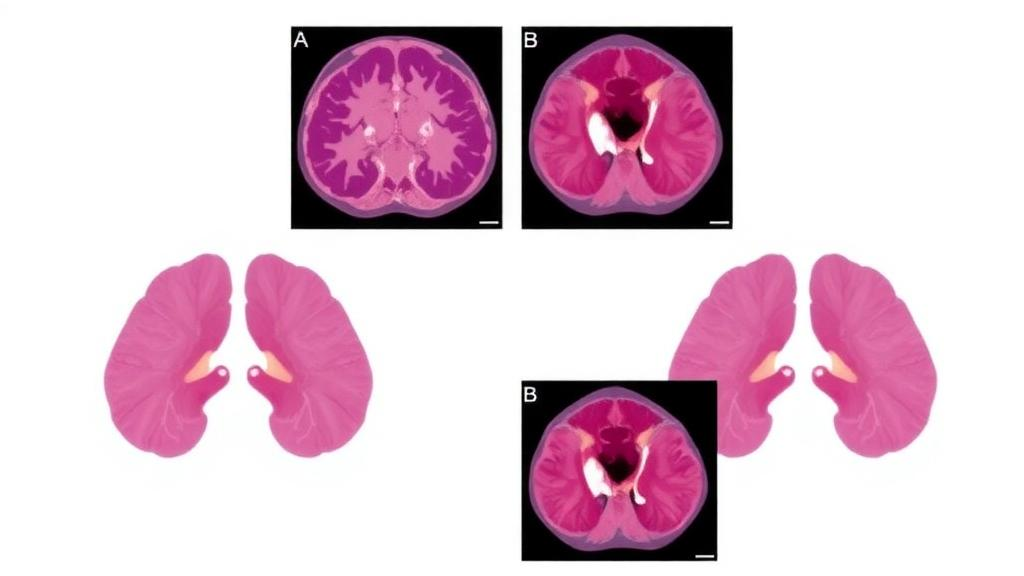
The retrospective analysis focused on the clinical characteristics, morphological features, and immunophenotypes of the tumors. The ten patients ranged in age from 33 to 76 years, and the group included seven women and three men. In six of the ten cases, the tumors were centered in the nasal cavity, while the remaining four arose in the paranasal sinuses.

When the researchers classified the tumors by which SWI/SNF subunit was lost, nine cases proved to be SMARCB1-deficient carcinoma and one was SMARCA4-deficient carcinoma. Both SMARCB1 and SMARCA4 are subunits of the SWI/SNF complex, and their loss is the defining molecular feature of this tumor category.

Under the microscope, the tumors displayed markedly heterogeneous morphology. The SMARCB1-deficient carcinomas exhibited basaloid, rhabdoid, undifferentiated, and adenoid architectural patterns, meaning they could take on appearances resembling several different tumor types. The single SMARCA4-deficient carcinoma in the series showed a basaloid morphology.

The study also captured information on patient outcomes. Three of the ten patients developed recurrent disease, and two developed metastases, underscoring that despite its rarity, this tumor type can follow an aggressive clinical course in a subset of patients.

Because SWI/SNF-deficient sinonasal carcinomas are so rarely encountered in clinical practice, individual institutions seldom accumulate enough cases to describe them systematically. The authors conclude that their ten-case cohort, while morphologically diverse, adds clinicopathological data to a very sparsely documented entity and may help pathologists and oncologists recognize the range of appearances these tumors can adopt.

The work is an early-access, peer-reviewed article that carries a permanent DOI, with a final version of record to follow. As a retrospective single-institution series of only ten patients, it describes observed features and outcomes rather than testing treatments, and its findings are best understood as an enriched descriptive portrait of an exceptionally rare cancer rather than a basis for clinical recommendations.

Subject of Research: Clinicopathological features and prognosis of rare SWI/SNF-deficient sinonasal carcinoma based on ten retrospective cases

Article Title: Clinicopathological analysis of 10 cases of SWI/SNF deficient sinonasal carcinoma

Article References: Wang, X., & Yin, Z. (2026). Clinicopathological analysis of 10 cases of SWI/SNF deficient sinonasal carcinoma. Discover Oncology. https://doi.org/10.1007/s12672-026-06184-6

Image Credits: AI Generated

DOI: 10.1007/s12672-026-06184-6

Keywords: SWI/SNF-deficient sinonasal carcinoma, SMARCB1, SMARCA4, sinonasal tumors, retrospective case series, clinicopathology, rare cancers, head and neck pathology, tumor morphology, immunophenotype, Clinicopathological, analysis

News Source: Nathaniel Bowman. (October 28, 2026). Rare SWI/SNF-Deficient Sinonasal Carcinomas Characterized in 10-Case Study. Scienmag.

Tags: analysisclinicopathologicalclinicopathologyhead and neck pathologyimmunophenotyperare cancersRetrospective case seriessinonasal tumorsSMARCA4SMARCB1SWI/SNF-deficient sinonasal carcinomatumor morphology
Share12Tweet7Share2ShareShareShare1

Related Posts

Lymph-Node Radiomics Outperforms Tumor-Based CT Analysis for Predicting Colorectal Cancer Spread

Lymph-Node Radiomics Outperforms Tumor-Based CT Analysis for Predicting Colorectal Cancer Spread

October 29, 2026
Palliative QUAD SHOT Radiotherapy Shows Tumor Control in Head and Neck Cancer Review

Palliative QUAD SHOT Radiotherapy Shows Tumor Control in Head and Neck Cancer Review

October 29, 2026

Rat Brain Coil Study Sparks Debate Over What Biocompatibility Really Means

October 29, 2026

Early ureter ligation during kidney cancer surgery shows a hint of benefit, but the evidence stays uncertain

October 29, 2026

POPULAR NEWS

  • Health literacy varies widely among women after breast cancer surgery, study finds

    Health literacy varies widely among women after breast cancer surgery, study finds

    29 shares
    Share 12 Tweet 7
  • Water Levels, Not Rainfall, Decide Where Colonial Waterbirds Nest in Southern India

    29 shares
    Share 12 Tweet 7
  • Fuzzy utility framework tackles financial risks where probabilities fail

    29 shares
    Share 12 Tweet 7
  • TCTP and Mcl-1 Proteins Rise in Chronic Lymphocytic Leukemia, Study Finds

    29 shares
    Share 12 Tweet 7

About

We bring you the latest biotechnology news from best research centers and universities around the world. Check our website.

Follow us

Recent News

Molecular dynamics show docking proximity alone cannot guarantee KRAS G12C covalent inhibition

Lymph-Node Radiomics Outperforms Tumor-Based CT Analysis for Predicting Colorectal Cancer Spread

New continuous index scores urbanicity from 0 to 100

Subscribe to Blog via Email

Enter your email address to subscribe to this blog and receive notifications of new posts by email.

Join 85 other subscribers
  • Contact Us

Bioengineer.org © Copyright 2023 All Rights Reserved.

Welcome Back!

Login to your account below

Forgotten Password?

Retrieve your password

Please enter your username or email address to reset your password.

Log In
No Result
View All Result
  • Homepages
    • Home Page 1
    • Home Page 2
  • News
  • National
  • Business
  • Health
  • Lifestyle
  • Science

Bioengineer.org © Copyright 2023 All Rights Reserved.