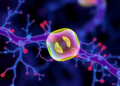
A groundbreaking advancement in cancer treatment has emerged with the development of novel radiopharmaceutical therapies targeting fibroblast activation protein (FAP), a protein highly expressed across a diverse range of solid tumors. This innovative therapeutic strategy has recently been demonstrated as both safe and efficacious in a pioneering clinical study published in the June edition of The Journal of Nuclear Medicine. The research encompassed 88 patients afflicted with 21 distinct types of advanced and metastatic solid malignancies, revealing compelling tumor responses and substantial disease control, even among heavily pretreated populations.
Radiopharmaceutical therapy, which leverages radioactive isotopes conjugated to targeting molecules, has established itself as a vital modality in oncology, especially for neuroendocrine tumors and metastatic castration-resistant prostate cancer. Nonetheless, its applications have been limited in scope due to the heterogeneity of tumor biology. By contrast, the FAP-targeted approach disrupts this barrier by homing in on the tumor microenvironment, a milieu often rich in FAP-expressing cancer-associated fibroblasts (CAFs). These stromal cells play a pivotal role in tumor progression, metastasis, and immune evasion, making FAP an attractive biomolecular target for therapeutic intervention.
The clinical investigation employed a diverse array of radionuclides—Lutetium-177, Yttrium-90, and Actinium-225—conjugated to the molecule 3BP-3940, each selected for their unique radiation emission characteristics and therapeutic profiles. Patients received a cumulative 227 treatment cycles with these radiolabeled compounds, enabling a comparative evaluation of safety, tolerability, and anti-cancer efficacy. This multifaceted approach took advantage of beta and alpha particle emissions to induce lethal DNA damage in malignant cells and their supporting stroma, thereby attenuating tumor growth and dissemination.
Remarkably, the administration of FAP-targeted radiopharmaceutical therapy was well tolerated across the cohort, with only mild adverse events reported, underscoring its suitability for patients with compromised health due to advanced disease and prior therapeutic regimens. Response assessment following two treatment cycles showed that 3% of patients achieved complete remission, while over half experienced partial remission. Moreover, stable disease was observed in 15.2% of participants, resulting in a disease control rate surpassing 80%. These figures are particularly noteworthy given the refractory nature of the malignancies treated.
Survival outcomes further validate the therapeutic potential of this modality. The median overall survival for the studied group was seven months, a meaningful extension considering the advanced disease stages and the exhaustion of alternative standard therapies. The study’s findings illuminate the capacity of FAP-targeted radiopharmaceuticals not only to suppress tumor burden but also to offer hope for improved longevity and quality of life in a patient subset desperately in need of novel options.
Dr. Richard P. Baum, a leading figure in molecular radiotherapy at Curanosticum Wiesbaden-Frankfurt and principal investigator of the study, emphasized the significance of the results. He highlighted that despite the heavily pretreated status and advanced progression of the cancers treated, robust tumor responses and disease stabilization were frequent. Importantly, this therapeutic strategy may confer not just disease modulation but also maintenance of patient well-being, which is an essential consideration in oncology care.
One of the most exciting aspects of this research is the broad applicability of FAP-targeted therapy across numerous cancer types, shifting the paradigm away from tumor-specific targeting toward a microenvironment-focused approach. Dr. Jingjing Zhang of the National University of Singapore, a key collaborator on the project, noted that this modality’s ability to circumvent the limitations imposed by tumor heterogeneity could revolutionize radiopharmaceutical therapy, making it accessible to a far larger patient population with diverse malignancies.
At a molecular level, the targeting of fibroblast activation protein exploits its near-absence in healthy adult tissues, thereby minimizing off-target effects and enhancing therapeutic index. FAP is predominantly expressed by cancer-associated fibroblasts within the tumor stroma but is scarce in normal parenchymal cells. This differential expression offers a unique window for selective delivery of cytotoxic radiation that dismantles the supportive tumor microenvironment crucial for cancer survival and dissemination.
The use of multiple radionuclides in the study reflects an adaptive treatment philosophy designed to optimize therapeutic potency based on tumor burden, distribution, and radiosensitivity. Lutetium-177 and Yttrium-90 are beta emitters known for their ability to inflict DNA damage over several millimeters of tissue, suitable for larger or more diffuse tumors. Conversely, Actinium-225 emits alpha particles characterized by high linear energy transfer and short path lengths, ideal for eradicating microscopic disease and cancer stem cell niches.
To quantify clinical benefit, researchers monitored objective tumor responses through imaging modalities and standardized criteria for remission and progression. The sustained disease control observed in over 80% of patients indicates that the radiopharmaceuticals not only induce initial tumor shrinkage but also prolong stabilization, potentially slowing metastatic dissemination and enabling meaningful clinical management in otherwise terminal cases.
The implications of these findings extend beyond individual patient outcomes, heralding a new era of precision oncological therapeutics in which the tumor microenvironment’s components serve as primary targets. This strategy expands the therapeutic landscape, potentially overcoming resistance mechanisms intrinsic to cancer cells themselves by dismantling their protective niche.
Ongoing studies and future trials are anticipated to refine dosing regimens, elucidate long-term safety, and explore combinatory protocols with immunotherapy or conventional chemotherapy. The capacity to tailor radionuclide selection to specific tumor and patient characteristics embodies the promise of personalized medicine, enhancing efficacy while reducing toxicity.
This breakthrough reflects the culmination of multidisciplinary collaboration between molecular radiotherapy experts, diagnostic radiologists, oncologists, and translational researchers across international institutions. It underscores the vital role of molecular imaging in guiding and evaluating novel interventions designed to extend survival and quality of life in the face of aggressive cancer.
In summary, FAP-targeted radiopharmaceutical therapy represents a pioneering therapeutic frontier, achieving significant tumor responses across a wide spectrum of advanced malignancies with manageable safety profiles. It exemplifies how targeting the stromal elements of tumors can overcome the biological complexity and heterogeneity that challenge conventional cancer treatments. The study paves the way for wider clinical adoption and the development of next-generation theranostic agents poised to transform oncology practice worldwide.
Subject of Research: Fibroblast Activation Protein–Targeted Radiopharmaceutical Therapy in advanced metastatic solid tumors.
Article Title: Fibroblast Activation Protein–Targeted Radiopharmaceutical Therapy Using 177Lu-, 90Y-, and 225Ac-Labeled 3BP-3940: First Experience in 21 Different Advanced Malignancies.
News Publication Date: 1-Jun-2026.
Web References:
Journal of Nuclear Medicine
DOI link
Image Credits: Image created by R P. Baum and J Zhang et al., Curanosticum Wiesbaden-Frankfurt, ICPO Center of Excellence, Germany; and National University of Singapore, Singapore.
Keywords: Molecular imaging, Radiopharmaceutical therapy, Fibroblast activation protein, Cancer-associated fibroblasts, Targeted therapy, Lutetium-177, Yttrium-90, Actinium-225, Tumor microenvironment, Advanced solid tumors, Theranostics, Precision medicine.
Tags: Actinium-225 alpha therapyadvanced solid tumor therapiescancer-associated fibroblasts in oncologyFAP-targeted radioligand therapyfibroblast activation protein targeted treatmentLutetium-177 radioisotope therapymetastatic cancer radiopharmaceuticalsmulti-cancer radiopharmaceutical efficacynovel cancer treatment clinical trialsradiopharmaceutical therapy for cancertumor microenvironment targetingYttrium-90 targeted cancer treatment