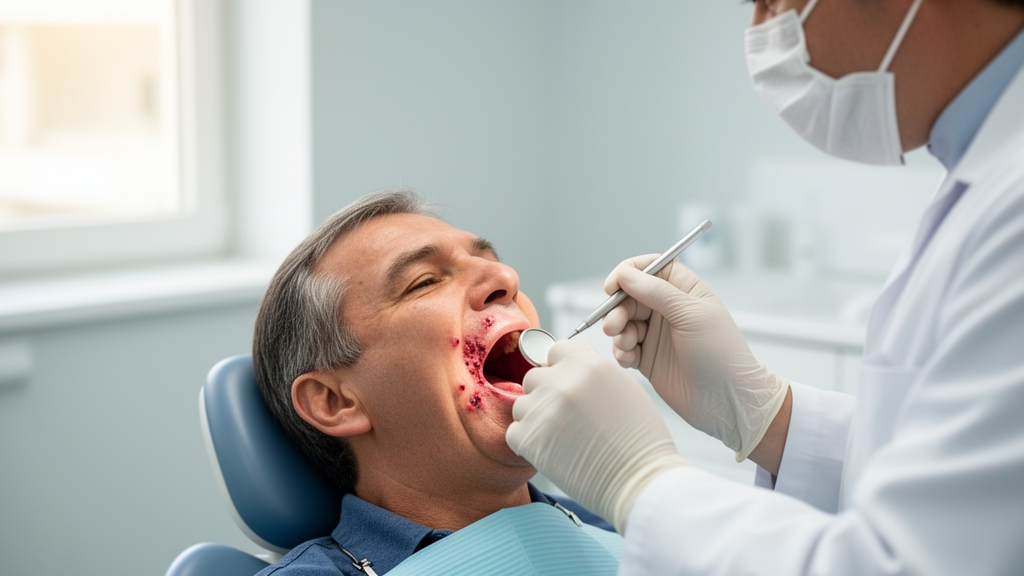
Oral mucositis, the painful inflammation and ulceration of the lining of the mouth, remains one of the most debilitating side effects of cancer therapy. According to a narrative review published in Food Production, Processing and Nutrition, roughly 20 to 40 percent of patients receiving chemotherapy develop the condition, rates climb to 60 to 85 percent in those undergoing hematopoietic stem cell transplantation, and more than 90 percent of head and neck cancer patients treated with chemoradiotherapy are affected. The review, led by Amir Ali Judaki and colleagues, argues that the oral microbiome may hold a key to better prevention, but it also delivers a sobering message: probiotics, prebiotics and synbiotics are promising adjuncts, not yet standardized therapies.
The burden of oral mucositis extends far beyond a sore mouth. Patients can experience severe oral pain, difficulty swallowing, compromised nutrition, secondary infection, reduced quality of life and interruptions of their cancer treatment. When mucosal injury becomes severe, subsequent radiation fractions may need to be delayed or modified, which can compromise adherence to the intended oncologic treatment schedule in head and neck cancer. During neutropenia, a breached mucosal barrier can even open the door to life-threatening infectious complications, underscoring why clinicians are eager for interventions that genuinely work.
Mechanistically, the review frames oral mucositis as a dynamic biological process rather than a simple burn-like injury. The commonly described sequence begins with direct cytotoxic damage to rapidly dividing basal epithelial cells, followed by oxidative stress, inflammatory signaling, cytokine-mediated amplification, ulceration and delayed epithelial repair. Increasing evidence indicates that anticancer therapies also disturb the oral microbial ecosystem, the complex community of bacteria, fungi, viruses and archaea that normally supports mucosal homeostasis. This dysbiosis is not considered the sole initiating cause of mucositis, but it may amplify local inflammation, impair mucosal recovery and increase susceptibility to secondary infection.
Longitudinal sequencing studies provide some of the most compelling mechanistic evidence. In patients receiving 5-fluorouracil- or doxorubicin-based chemotherapy, researchers reported that mucositis severity was strongly associated with disruption of the oral bacteriome, including depletion of health-associated genera such as Streptococcus, Actinomyces, Gemella, Granulicatella and Veillonella, alongside enrichment of Gram-negative taxa including Fusobacterium nucleatum and Prevotella oris. Notably, these shifts were not explained simply by a direct antibacterial effect of the drug but resembled inflammation-associated dysbiotic patterns. In laboratory work, mucositis-enriched F. nucleatum showed pro-inflammatory and pro-apoptotic effects on oral epithelial cells, whereas the depleted commensal Streptococcus salivarius was tolerated.
Comparable changes appear during radiotherapy. In nasopharyngeal carcinoma patients, oral bacterial community structure changed progressively during treatment, and those who later developed severe mucositis showed lower bacterial alpha diversity and higher abundance of Actinobacillus during the erythema and patchy mucositis phase. In head and neck cancer patients, severe mucositis was associated with increased post-treatment abundance of Fusobacterium, Capnocytophaga, Leptotrichia and Parvimonas, while Veillonella and Lactobacillus correlated negatively with severity. The review stresses that there is no single universal microbial signature of mucositis; instead, shifts are treatment-dependent and patient-specific, which complicates any one-size-fits-all microbial intervention.
Against this backdrop, the authors categorize probiotic strategies into two functional groups. Oral-cavity-directed preparations, such as lozenges and buccal formulations, are designed to remain in contact with the oral mucosa and may act directly on oral biofilms, salivary immune factors and local inflammatory mediators. Intestinally directed swallowed capsules primarily target gut microbiota, intestinal barrier function and systemic immune responses, so any benefit for the mouth would likely be indirect, mediated through gut-immune and gut-oral inflammatory pathways. Proposed mechanisms include competition for adhesion sites, production of antimicrobial substances, biofilm interference, attenuation of cytokine signaling, protection of epithelial barrier integrity and immune modulation.
The clinical record is genuinely mixed. In a randomized double-blind trial of head and neck cancer patients receiving chemoradiotherapy, Levilactobacillus brevis CD2 lozenges reduced grade III-IV oral mucositis compared with placebo, and their use was associated with lower overall mucositis rates and improved completion of anticancer treatment. Yet a later multicenter trial failed to reproduce this benefit, finding no significant difference in grade 3-4 oropharyngeal mucositis between the probiotic and control oral care, 40.6 percent versus 41.6 percent, a result the authors cite as evidence that effects depend on study design, patient population, radiation technique and comparator. Positive signals also exist for Bacillus clausii UBBC-07 oral suspension in head and neck radiotherapy and for multi-strain probiotic cocktails in nasopharyngeal carcinoma chemoradiotherapy, where supplementation reduced mucositis severity and was associated with smaller reductions in CD3+, CD4+ and CD8+ T-cell populations.
Meta-analytic evidence adds cautious weight. A 2024 meta-analysis of 12 randomized controlled trials involving 1,376 patients reported reductions in severe and all-grade oral mucositis, with multi-strain formulations appearing more effective than single-strain preparations for severe disease. A head-and-neck-cancer-specific meta-analysis found a significant reduction in severe mucositis but not in overall incidence. Intriguingly, in one meta-analysis the probiotic-associated reduction in severe mucositis was statistically significant only in Asian populations, not in European or American ones, possibly reflecting regional differences in diet, habitual fermented-food exposure and baseline microbiota, though the authors of the review note this explanation remains hypothetical because most trials lacked baseline oral microbiome profiling.
Evidence for prebiotics and synbiotics is thinner still. The review applies the International Scientific Association for Probiotics and Prebiotics definition, substrates selectively utilized by host microorganisms conferring a health benefit, and warns that not all dietary fibers qualify. Fructo-oligosaccharide supplementation reduced inflammatory infiltration, intestinal permeability and epithelial damage in 5-fluorouracil-induced intestinal mucositis models, but these are gut findings that cannot be directly extrapolated to the mouth. Synbiotic supplementation in advanced esophageal cancer patients improved fecal microbial and short-chain fatty acid profiles and reduced diarrhea, severe lymphopenia and febrile neutropenia, yet that study did not assess oral mucositis at all. Beta-glucan showed some benefit in small chemotherapy studies but is described as an immunomodulatory polysaccharide with prebiotic-like effects rather than an established prebiotic for this indication.
Safety considerations weigh heavily, because probiotics contain live microorganisms and many cancer patients are immunocompromised. Although several clinical studies reported no probiotic-attributed serious adverse events, most trials were small and not powered to detect rare bloodstream infections. A systematic review identified probiotic-related bacteremia, fungemia and positive blood culture case reports, concluding that probiotics may rarely cause sepsis in cancer patients. Molecular confirmation has directly linked some bacteremia cases to probiotic strains such as Lacticaseibacillus rhamnosus GG, and Saccharomyces boulardii has been associated with fungemia in critically ill or catheterized patients. The review recommends restricting routine probiotic use in severe neutropenia, profound immunosuppression, active infection, central venous catheterization, intensive care admission, severe ulcerative mucositis or early post-transplant status. The authors’ bottom line: larger randomized trials with standardized mucositis grading, oral microbiome profiling, mechanistic biomarkers and predefined safety monitoring are required before routine clinical recommendations can be established.
Subject of Research: Probiotics, prebiotics and synbiotics as supportive strategies for cancer therapy-induced oral mucositis
Article Title: The role of probiotics and prebiotics in preventing and treating oral mucositis caused by chemoradiotherapy: a narrative review
Article References: Judaki, A. A., Miran, A. R., Istgaldi, R., Alimohamadi, S., Faraji, F., Farzaneh, A., Khalili-Tanha, G., Nazari, E., & Haghshenas, Z. (2026). The role of probiotics and prebiotics in preventing and treating oral mucositis caused by chemoradiotherapy: a narrative review. Food Production, Processing and Nutrition, 8(1), Article 75. https://doi.org/10.1186/s43014-026-00426-4
Image Credits: AI Generated
DOI: 10.1186/s43014-026-00426-4
Keywords: oral mucositis, probiotics, prebiotics, synbiotics, chemoradiotherapy, oral microbiome, head and neck cancer, dysbiosis, supportive oncology, Lactobacillus brevis CD2, immune modulation, mucosal barrier
News Source: Nathaniel Bowman. (October 28, 2026). Probiotics may ease chemo-radiation mouth sores, but evidence stays patchy. Scienmag.