


• HOME
  • NEWS
  • EXPLORE
    • CAREER
      • Companies
      • Jobs
    • EVENTS
    • iGEM
      • News
      • Team
    • PHOTOS
    • VIDEO
    • WIKI
  • BLOG
  • COMMUNITY
    • FACEBOOK
    • INSTAGRAM
    • TWITTER
Friday, October 30, 2026
BIOENGINEER.ORG
No Result
View All Result
  • Login
  • HOME
  • NEWS
  • EXPLORE
    • CAREER
      • Companies
      • Jobs
        • Lecturer
        • PhD Studentship
        • Postdoc
        • Research Assistant
    • EVENTS
    • iGEM
      • News
      • Team
    • PHOTOS
    • VIDEO
    • WIKI
  • BLOG
  • COMMUNITY
    • FACEBOOK
    • INSTAGRAM
    • TWITTER
No Result
View All Result
Bioengineer.org
No Result
View All Result
Home NEWS Science News Biology

Probiotics cut severe gut disease and death risk in preterm infants, review finds

by
October 29, 2026
in Biology
Reading Time: 2 mins read
0
Probiotics cut severe gut disease and death risk in preterm infants, review finds

Probiotics cut severe gut disease and death risk in preterm infants, review finds

Share on FacebookShare on TwitterShare on LinkedinShare on RedditShare on Telegram

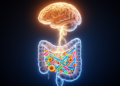
Preterm infants face a heightened risk of gut dysbiosis, a state marked by reduced microbial diversity, delayed colonization by beneficial commensals such as Bifidobacterium, and overgrowth of opportunistic pathogens. This disrupted microbial ecosystem is closely linked to life-threatening conditions including necrotizing enterocolitis (NEC), late-onset sepsis (LOS), and feeding intolerance, and has also been implicated in long-term neurodevelopmental and respiratory outcomes. A narrative review now synthesizes evidence from randomized controlled trials, observational studies, systematic reviews, and meta-analyses to assess how probiotic supplementation shapes the microbiota and clinical outcomes in this vulnerable population.

The review concludes that multi-strain probiotics reduce severe NEC and all-cause mortality. Specific multi-strain formulations containing well-defined Lactobacillus and Bifidobacterium strains were associated with significant reductions in the incidence of severe NEC, with risk ratios of 0.38 to 0.57, and in all-cause mortality, with a risk ratio of 0.69. Probiotics also consistently enhanced intestinal abundance of beneficial bacteria, modulated metabolic profiles, and reduced markers of intestinal inflammation. However, their effect on preventing LOS and on reducing colonization by multidrug-resistant organisms was less consistent across studies.

A central theme of the review is strain specificity: effects observed with one formulation cannot be extrapolated across products, and future trials should report full strain identity, dose, viability, and product composition. Emerging evidence suggests probiotics may influence immune cell development and the gut-brain axis, with possible implications for neurodevelopment and seizure prevention, but the review stresses that these findings remain preliminary and that neurodevelopmental benefit is unproven. Significant challenges persist, including heterogeneity in study designs, probiotic strains, and clinical protocols, safety concerns in extremely low-birth-weight infants, and methodological issues surrounding product quality and taxonomic identification.

On the question of practice, the authors conclude that routine universal use of probiotics in preterm infants is not justified by the current evidence, and that translation into standard care requires product-specific trials and regulatory-grade quality control. The findings position probiotics as a promising but not yet universally applicable intervention: certain defined multi-strain products show meaningful reductions in severe NEC and mortality, while benefits for sepsis prevention and long-term development await more rigorous, strain-resolved evidence.

Subject of Research: Probiotic modulation of gut microbiota and clinical outcomes in preterm infants

Article Title: Probiotic modulation of gut microbiota in preterm infants: a narrative review of clinical evidence, mechanisms, and translational gaps

Article References: Xie, D., Yuan, H., & Zhang, D. (2026). Probiotic modulation of gut microbiota in preterm infants: a narrative review of clinical evidence, mechanisms, and translational gaps. Frontiers in Microbiology, 17, Article 1945012. https://doi.org/10.3389/fmicb.2026.1945012

Image Credits: AI Generated

DOI: 10.3389/fmicb.2026.1945012

Keywords: probiotics, preterm infants, necrotizing enterocolitis, gut microbiota, late-onset sepsis, Bifidobacterium, Lactobacillus, dysbiosis, strain specificity, gut-brain axis, Probiotic, modulation

News Source: Harold Sullivan. (October 29, 2026). Probiotics cut severe gut disease and death risk in preterm infants, review finds. Scienmag.

Tags: Bifidobacteriumdysbiosisgut microbiotaGut-brain axisLactobacillusLate-onset sepsisModulationnecrotizing enterocolitispreterm infantsProbioticprobioticsstrain specificity
Share12Tweet7Share2ShareShareShare1

Related Posts

Gut microbes linked to Alzheimer's, Parkinson's, Huntington's and ALS

Gut microbes linked to Alzheimer’s, Parkinson’s, Huntington’s and ALS

October 30, 2026
TGF-β signaling symposium reveals new paths from development to cancer therapy

TGF-β signaling symposium reveals new paths from development to cancer therapy

October 30, 2026

Hidden genes rewrite the family tree of Taiwan’s elusive forest herbs

October 30, 2026

BMP Signalling: The Ancient Body Axis Blueprint That Keeps Reinventing Itself

October 30, 2026

POPULAR NEWS

  • Gut microbes linked to Alzheimer's, Parkinson's, Huntington's and ALS

    Gut microbes linked to Alzheimer’s, Parkinson’s, Huntington’s and ALS

    29 shares
    Share 12 Tweet 7
  • Lipid emulsions as antidotes: a 2025 review maps promise and limits in drug poisoning

    29 shares
    Share 12 Tweet 7
  • Grape pomace bread boosts fiber and antioxidants but tests taste limits

    29 shares
    Share 12 Tweet 7
  • TGF-β signaling symposium reveals new paths from development to cancer therapy

    29 shares
    Share 12 Tweet 7

About

We bring you the latest biotechnology news from best research centers and universities around the world. Check our website.

Follow us

Recent News

AI-guided nanotherapeutics aim to reshape chronic wound care

Medical students help build a checklist for better self-learning guides

New Self-Assessment Tool Measures Nurses’ Perceived Delegation Competence

Subscribe to Blog via Email

Enter your email address to subscribe to this blog and receive notifications of new posts by email.

Join 87 other subscribers
  • Contact Us

Bioengineer.org © Copyright 2023 All Rights Reserved.

Welcome Back!

Login to your account below

Forgotten Password?

Retrieve your password

Please enter your username or email address to reset your password.

Log In
No Result
View All Result
  • Homepages
    • Home Page 1
    • Home Page 2
  • News
  • National
  • Business
  • Health
  • Lifestyle
  • Science

Bioengineer.org © Copyright 2023 All Rights Reserved.
