Recent groundbreaking research published in the journal Experimental & Molecular Medicine reveals critical insights into the role of Piezo1 activation in endothelial cells during microvascular ischemia-reperfusion injury. This innovative study by Chen et al. emphasizes a novel pathway through which endothelial activation can worsen damage sustained during ischemic episodes, which are common following events such as strokes and heart attacks. This research not only sheds light on cellular mechanisms but also suggests new therapeutic targets that could mitigate the detrimental effects of ischemia-reperfusion injury.
Ischemia-reperfusion injury (IRI), a common phenomenon observed in various clinical conditions, involves temporary obstruction of blood flow followed by the restoration of that flow. The ensuing oxidative stress and inflammation can lead to extensive tissue damage, particularly in microvascular beds where endothelial cells are a critical component. The authors present compelling evidence to suggest that activation of the mechanosensitive ion channel, Piezo1, plays a substantial role in amplifying the adverse responses following reperfusion.
Endothelial cells, lining the blood vessels, serve as a dynamic interface between the bloodstream and surrounding tissues. Their function is crucial for maintaining vascular integrity and responding to hemodynamic changes. However, the study highlights that under ischemic conditions, the activation of Piezo1 channels induces a cascade of events that enhance ferroptosis, a form of regulated cell death typically associated with iron overload and the accumulation of lipid peroxides. This finding is pivotal since it opens new avenues to explore how endothelial dysfunction can propagate broader tissue injury during IRI.
Ferroptosis was once thought to be primarily relevant in neurodegenerative diseases and cancer, but this study positions it as a critical player in vascular pathology. The researchers meticulously detail how the engagement of Piezo1 in endothelial cells leads to alterations in cellular iron metabolism and lipid peroxidation, ultimately culminating in ferroptotic death. This discovery underscores the multifaceted nature of cell death pathways and their role in post-ischemic tissue fate.
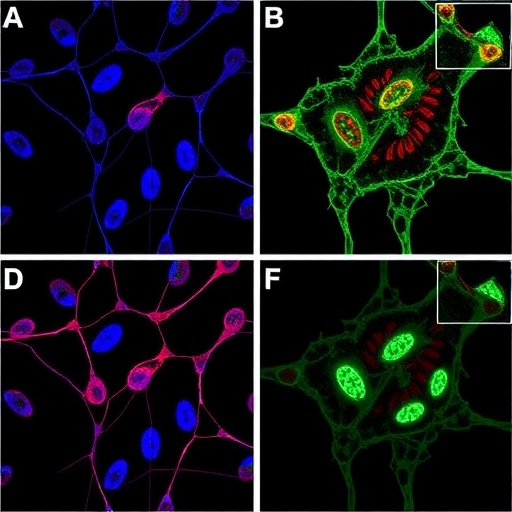
The innovative experimental approach employed by Chen and his team provides robust evidence of the mechanistic links between Piezo1 activation and endothelial cell ferroptosis. By utilizing various in vitro assays and in vivo models, the researchers have elucidated how Piezo1-mediated signaling contributes to the inflammatory milieu following reperfusion. They document the resultant oxidative stress that not only compromises endothelial cell viability but also adversely impacts nearby tissues, forming a vicious cycle of injury and inflammation.
The implications of these findings are far-ranging, potentially influencing the development of novel therapeutic strategies aimed at mitigating endothelial dysfunction during ischemia-reperfusion events. Targeting the Piezo1 channel could represent a dual-faceted approach; not only may it prevent ferroptosis directly, but it could also bolster overall endothelial health and function. Such strategies might enhance recovery outcomes after ischemic injuries commonly encountered in clinical settings.
Moreover, this research underscores the necessity of a deeper understanding of ion channel dynamics within endothelial cells. Piezo1, as a mechanosensitive channel, responds to physical stressors such as shear stress and pressure changes, characterizing endothelial cells as active sensors of their microenvironment. The study advocates for further exploration into how various flow conditions and mechanical stresses can intricately influence Piezo1 activity and, subsequently, vascular responses during pathological conditions.
A fascinating aspect of this study is its potential translational impact. Therapeutic agents designed to specifically inhibit Piezo1 activity could transition from bench to bedside, providing new hope for patients suffering from ischemia-reperfusion-related complications. The pursuit of pharmacological inhibitors or modulating agents that mitigate the harmful effects of Piezo1 activation represents an exciting frontier in vascular medicine.
This research also prompts a reevaluation of how we perceive endothelial cell death in the broader context of cardiovascular diseases. Traditional views have often centered on apoptosis and necrosis; however, the acknowledgment of ferroptosis as a significant component constituting endothelial cell demise invites a paradigm shift. It suggests that endothelial injury is not merely a consequence of broader vascular insults but a distinct process deserving of focused therapeutic interventions.
As the field continues to evolve, studying endothelial cell dysfunction in ischemic conditions will likely yield further revelations regarding the nuanced roles of ion channels. The interconnectedness of various signaling pathways during ischemia-reperfusion suggests that a multifactorial approach is necessary to develop more effective therapies. Future studies will be critical in determining how Piezo1 interacts with other pathways involved in endothelial cell responses to stress.
In conclusion, this work by Chen and colleagues is a significant contribution to our understanding of endothelial cell biology in the context of ischemic injury. By detailing the mechanisms behind Piezo1 activation and ferroptosis, it establishes a foundation for promising new therapeutic strategies. As this research drives the conversation forward, it opens avenues not only for basic science but also for potential clinical applications that could ultimately improve patient outcomes following ischemic events.
Continued exploration in this arena is essential, and it will be exciting to see how these insights can be translated into clinical protocols aimed at preserving tissue viability during critical ischemic incidents. It signifies a remarkable advancement in our knowledge of endothelial cell pathology, hinting at a future where preventative measures could drastically reduce the burden of ischemia-reperfusion injuries on both patients and healthcare systems worldwide.
As the medical community grapples with the enduring consequences of ischemia-reperfusion injury, the need for innovative research like this becomes ever apparent. With the implications of the Piezo1 pathway elucidated, strategizing effective treatments will be crucial in light of the growing incidence of vascular diseases globally. In essence, this research serves as a clarion call for the continued study of endothelial cells as pivotal players in systemic health and diseases, potentially transforming future therapeutic landscapes.
Ultimately, it is research like this that fuels the cycle of discovery, bringing us closer to understanding the intricate biology of vascular systems under duress. The future beckons for studies that not only dissect these interactions further but also harness this knowledge to develop practical solutions that address the root causes of ischemia-reperfusion injuries. As we advance, the confluence of mechanobiology and clinical application will undoubtedly pave the way for transformative changes in vascular medicine.
Subject of Research: Activation of Piezo1 in endothelial cells and its role in microvascular ischemia-reperfusion injury.
Article Title: Chen, Ff., Zhang, Yh., Wu, Zc. et al. Piezo1 activation in endothelial cells aggravates microvascular ischemia–reperfusion injury in limbs by enhancing ferroptosis.
Article References:
Chen, Ff., Zhang, Yh., Wu, Zc. et al. Piezo1 activation in endothelial cells aggravates microvascular ischemia–reperfusion injury in limbs by enhancing ferroptosis.
Exp Mol Med (2026). https://doi.org/10.1038/s12276-025-01616-9
Image Credits: AI Generated
DOI: 09 January 2026
Keywords:
Piezo1, endothelial cells, ischemia-reperfusion injury, ferroptosis, vascular health.
Tags: blood flow restoration effectsendothelial cell responseexperimental molecular medicine researchinflammation during reperfusionischemic episodes in strokeslimb ischemia-reperfusion injurymechanosensitive ion channelsmicrovascular damageoxidative stress in ischemiaPiezo1 activationtherapeutic targets for IRIvascular integrity in ischemia