• HOME
  • NEWS
  • EXPLORE
    • CAREER
      • Companies
      • Jobs
    • EVENTS
    • iGEM
      • News
      • Team
    • PHOTOS
    • VIDEO
    • WIKI
  • BLOG
  • COMMUNITY
    • FACEBOOK
    • INSTAGRAM
    • TWITTER
Wednesday, September 23, 2026
BIOENGINEER.ORG
No Result
View All Result
  • Login
  • HOME
  • NEWS
  • EXPLORE
    • CAREER
      • Companies
      • Jobs
        • Lecturer
        • PhD Studentship
        • Postdoc
        • Research Assistant
    • EVENTS
    • iGEM
      • News
      • Team
    • PHOTOS
    • VIDEO
    • WIKI
  • BLOG
  • COMMUNITY
    • FACEBOOK
    • INSTAGRAM
    • TWITTER
  • HOME
  • NEWS
  • EXPLORE
    • CAREER
      • Companies
      • Jobs
        • Lecturer
        • PhD Studentship
        • Postdoc
        • Research Assistant
    • EVENTS
    • iGEM
      • News
      • Team
    • PHOTOS
    • VIDEO
    • WIKI
  • BLOG
  • COMMUNITY
    • FACEBOOK
    • INSTAGRAM
    • TWITTER
No Result
View All Result
Bioengineer.org
No Result
View All Result
Home NEWS Science News Health

Physical activity in all of its forms may help maintain muscle mass in midlife

Bioengineer by Bioengineer
June 8, 2020
in Health
Reading Time: 2 mins read
0
IMAGE
Share on FacebookShare on TwitterShare on LinkedinShare on RedditShare on Telegram

Hormonal changes during menopause decrease muscle mass, but physical activity might slow the decrement
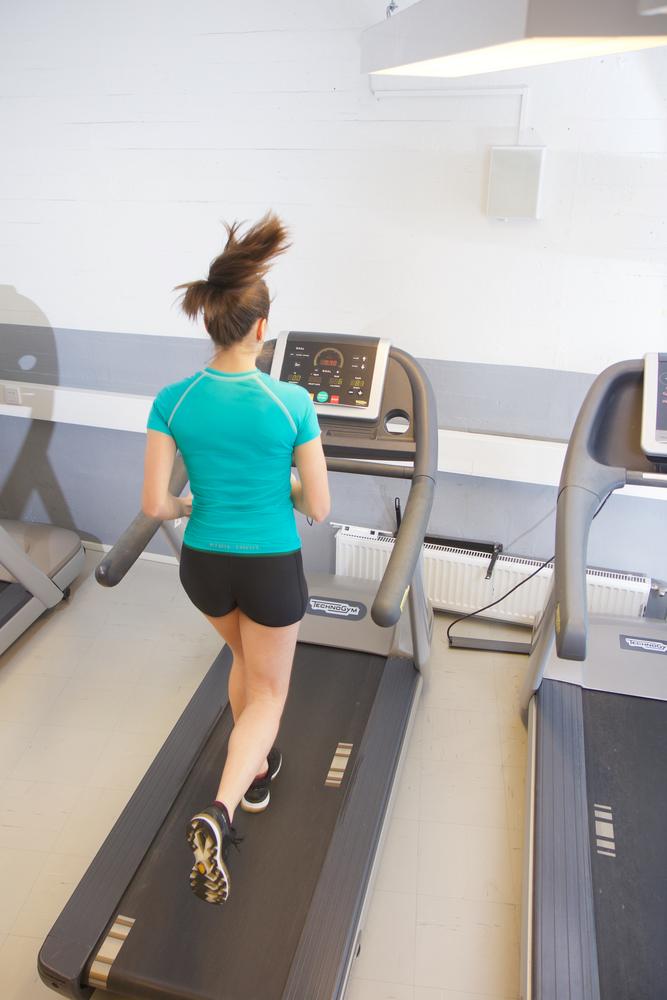
IMAGE

Credit: University of Jyväskylä

A large study of middle-aged women shows that age-related changes in skeletal muscle are part of everyday life for women in their fifties. During this time, women transition from perimenopause to postmenopause and the production of estrogen ceases. Loss of estrogen has an effect on muscles and leads to a decline in muscle mass. Physical activity in all of its forms may help maintain muscle mass in midlife.

“We already knew that estrogen has a role in the regulation of muscle properties,” says doctoral student Hanna-Kaarina Juppi. “By following the hormonal status, measuring many aspects of muscles and by taking into consideration the simultaneous chronological aging of women going through menopausal transition, we were able to show that the decrease of muscle mass takes place already in early postmenopause.”

In the current study, muscle size was measured in the perimenopausal state and right after entering postmenopause, when menstruation had permanently stopped. Women were on average 51-and-a-half years old at the beginning of the study and 53 years old at the final measurements, so the average duration of menopausal transition was one-and-a-half years. The time it takes a woman to go through menopause is unique: in this study it varied from less than six months to more than three years. During this time, the decrease in muscle mass was on average one percent.

Juppi continues: “The observed change does not seem like much, but what is meaningful is that the decline happens in a short period of time and can have an impact on metabolism, as muscles are important regulators of whole-body metabolism.”

Physical activity was found to be positively associated with the maintenance of muscle mass during the menopausal transition. Women who were more active had higher muscle mass before and after menopause compared to the less active women. It seems that even though menopause alone decreases muscle mass, staying physically active throughout middle age can help women to slow the change.

The current study was conducted in the Gerontology Research Center and Faculty of Sport and Health Sciences, and is part of a larger study, Estrogenic Regulation of Muscle Apoptosis (ERMA), led by Academy Research Fellow Eija Laakkonen. More than a thousand women between the ages of 47 and 55 from the Jyväskylä region participated in the ERMA study. At the beginning of the study, 381 of them were perimenopausal, while 234 reached early postmenopause during the study. The research was funded by the Academy of Finland and the European Commission.

###

Media Contact
Hanna-Kaarina Juppi
[email protected]

Original Source

https://www.jyu.fi/en/current/archive/2020/06/hormonal-changes-during-menopause-decrease-muscle-mass-but-physical-activity-might-slow-the-decrement/

Related Journal Article

http://dx.doi.org/10.3390/jcm9051588

Tags: AgingExerciseGerontologyMedicine/HealthPublic HealthSports/Recreation
Share12Tweet8Share2ShareShareShare2

Related Posts

Norwegian Experts Rank the Epidemic Questions That Matter Most

September 23, 2026

Protein Axis That Shields the Cornea Offers New Hope Against Dry Eye Pain

September 23, 2026

Steroid Ointment Beats Tacrolimus at Clearing Early Skin Lymphoma, but Relapses Loom

September 23, 2026

Hospital Safety Culture Shapes How Theatre Nurses Protect Patients and Themselves

September 23, 2026
Please login to join discussion

POPULAR NEWS

  • Norwegian Experts Rank the Epidemic Questions That Matter Most

    29 shares
    Share 12 Tweet 7
  • Peatland Rewetting Reshapes Mosquito Communities in Unexpected Ways, Study Finds

    29 shares
    Share 12 Tweet 7
  • NOAA Bets $100 Million on Mississippi State for New Gulf Research Powerhouse

    29 shares
    Share 12 Tweet 7
  • Scientists Discover the Gene Switch That Makes Alfalfa Flower Early

    29 shares
    Share 12 Tweet 7

About

We bring you the latest biotechnology news from best research centers and universities around the world. Check our website.

Follow us

Recent News

Norwegian Experts Rank the Epidemic Questions That Matter Most

Peatland Rewetting Reshapes Mosquito Communities in Unexpected Ways, Study Finds

NOAA Bets $100 Million on Mississippi State for New Gulf Research Powerhouse

Subscribe to Blog via Email

Enter your email address to subscribe to this blog and receive notifications of new posts by email.

Join 85 other subscribers
  • Contact Us

Bioengineer.org © Copyright 2023 All Rights Reserved.

Welcome Back!

Login to your account below

Forgotten Password?

Retrieve your password

Please enter your username or email address to reset your password.

Log In
No Result
View All Result
  • Homepages
    • Home Page 1
    • Home Page 2
  • News
  • National
  • Business
  • Health
  • Lifestyle
  • Science

Bioengineer.org © Copyright 2023 All Rights Reserved.