For decades, the workhorse of cancer drug testing has been a flat plastic dish. Cells grown in two-dimensional cultures are easy to handle and cheap to scale, but they bear little resemblance to the tangled, three-dimensional reality of a tumor growing inside a patient. A new review published in Molecular Biology Reports by researchers at the Rajiv Gandhi Cancer Institute and Research Centre in Delhi argues that this mismatch is one of the quiet reasons precision oncology has struggled to deliver on its promise, and that a humble lab construct known as the cancer spheroid may be the bridge between the petri dish and the clinic.
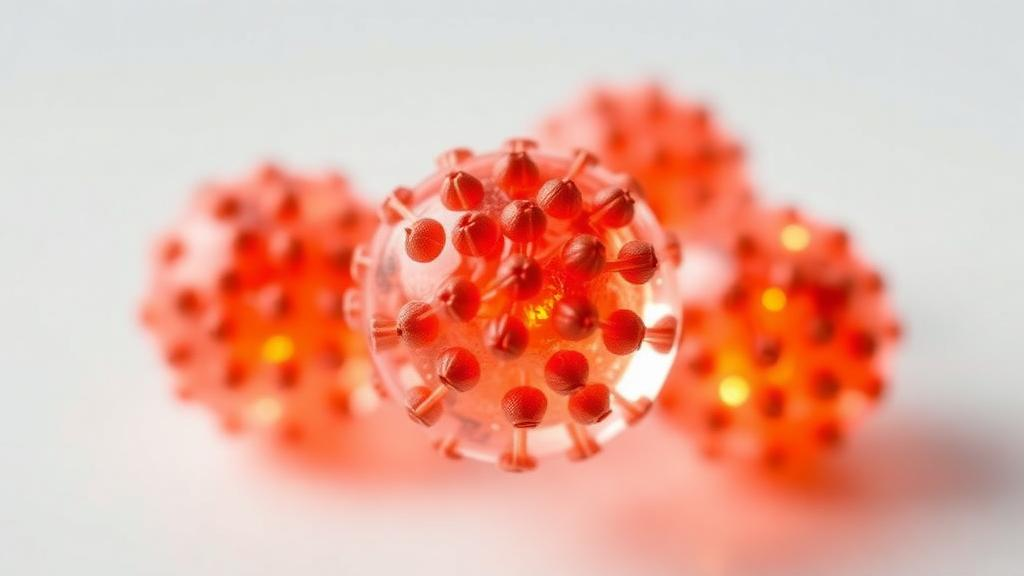
Cancer spheroids are three-dimensional clusters of tumor cells that self-organize into spherical structures when cultured under the right conditions, for example on ultra-low attachment surfaces or in hanging-drop arrangements. Unlike flat monolayers, spheroids recreate the layered architecture of solid tumors. Cells at the outer rim enjoy abundant oxygen and nutrients, while cells deeper inside experience the hypoxic, nutrient-poor conditions characteristic of real tumors. This produces oxygen and metabolic gradients that drive profound differences in gene expression, proliferation, and drug sensitivity across the same spheroid, differences that are essentially invisible in 2D culture.
The review, led by Debolina Chakraborty, Subhadip Kundu, Sudhir Kumar Rawal, and Arpita Ghosh Mitra, emphasizes that intratumoral heterogeneity is one of the central unsolved problems in oncology. A single tumor is not a uniform population of identical cells. It contains genetically and epigenetically distinct subclones, cancer stem-like cells capable of self-renewal, and stromal and immune components that actively shape treatment response. Conventional preclinical models, the authors note, have limited predictive value precisely because they fail to capture this complexity, which helps explain why drugs that look spectacular in flat cultures so often disappoint in clinical trials.
What makes spheroids technically powerful is that they preserve critical tumor-stroma and tumor-immune interactions. Patient-derived spheroids and multicellular co-culture models can incorporate cancer-associated fibroblasts, endothelial cells, and immune populations, allowing researchers to study how the tumor microenvironment modulates treatment response. This matters enormously for modern therapeutics. Immune checkpoint inhibitors, antibody-drug conjugates, and CAR-T cell therapies all depend on interactions between tumor cells and their surroundings, interactions that only exist in models that recreate the microenvironment’s cellular complexity.
The drug panels that have been tested on spheroid platforms read like a catalogue of contemporary oncology. The review documents evaluation of platinum-based chemotherapeutics, EGFR and VEGF inhibitors, PARP inhibitors, immune checkpoint blockers targeting the PD-1 and PD-L1 axis, kinase inhibitors, antibody-drug conjugates such as sacituzumab govitecan, and emerging pathway-directed agents. Across breast, colorectal, ovarian, lung, head and neck, and brain cancers, spheroid-based testing has been shown to recapitulate clinically relevant tumor characteristics and treatment responses within clinically meaningful timeframes, a critical requirement if such testing is ever to guide individual therapeutic decisions.
Some of the most striking evidence comes from patient-derived models in specific malignancies. In ovarian cancer, patient-derived spheroids have revealed dependencies on PI3K-AKT signaling for cancer stemness and chemoresistance, and have linked G6PD-driven redox metabolism to cisplatin resistance. In breast cancer, whole-tumor cell culture models have been used for efficient drug profiling and treatment response prediction, and tetraculture spheroids incorporating multiple cell types have been developed as versatile personalized research models. In colorectal cancer, chemotherapy drug testing with patient-derived tumor cell clusters has been used to personalize treatment decisions. In head and neck cancer, patient-derived 3D organoid platforms have enabled functional assessment of GPC3-targeted CAR T cell cytotoxic activity, demonstrating that even cell-based immunotherapies can be evaluated in these systems.
Brain tumors present a particularly compelling case. Glioblastoma multiforme remains one of the most lethal malignancies, with standard temozolomide chemotherapy offering only modest benefit to many patients. Spheroid models of glioblastoma recreate the blood-brain barrier context and the hypoxic gradients that drive resistance to both radiation and chemotherapy, and the review notes that standardized spheroid culture techniques are now being developed to make these models reproducible across laboratories. For a cancer where each patient’s tumor behaves differently, a model that can be generated from that patient’s own cells and tested against a panel of drugs within a clinically relevant window is a genuinely transformative proposition.
The scalability of spheroid platforms has advanced dramatically in recent years, and this is where the review’s technical narrative becomes most forward-looking. High-throughput screening pipelines now combine automated spheroid generation, microfluidic organ-on-chip systems, automated imaging, and artificial intelligence-driven analytics. Deep learning has been used to facilitate high-throughput spheroid-based assays for functional breast cancer precision medicine, and machine-learning-based image analysis pipelines can identify cell-type-specific differences in drug efficacy at the single-cell level within whole-mount spheroids. CRISPR screens conducted in cancer spheroids have identified 3D-growth-specific vulnerabilities that do not appear in flat cultures, revealing therapeutic targets that only exist when cells are grown in a physiologically relevant architecture.
None of this means spheroids are ready to replace clinical judgment. The review is candid about current limitations, standardization challenges, and ethical considerations. Spheroid formation efficiency, size uniformity, and culture conditions vary substantially between laboratories and between tumor types, and experimental variables such as seeding methodology, scaffold choice, and co-culture composition can influence spheroid attributes in ways that complicate reproducibility. Ethical questions around the ownership and commercial use of patient-derived biological materials remain unresolved. The authors also note that spheroids, while more physiologically relevant than 2D cultures, still lack some features of intact tumors, including vascularization and full immune system context, meaning that organ-on-chip systems and other advanced models may be needed to complement them.
What the review ultimately argues is that personalized cancer spheroids represent a promising approach linking experimental oncology with precision medicine research. Accumulating evidence suggests that spheroid-based drug testing can recapitulate clinically relevant tumor characteristics, evaluate drug sensitivity, explore resistance mechanisms, and assess biomarker-associated responses within clinically relevant timeframes. For patients facing treatment decisions where the standard options have been exhausted or where multiple plausible regimens exist, the prospect of testing a panel of drugs against a living replica of their own tumor before the first dose is administered is no longer science fiction. It is an active research frontier, and one that the authors believe may serve as a useful preclinical approach for individualized drug testing and treatment optimization across diverse malignancies.
Subject of Research: Biotechnology
Article Title: The potential of personalized cancer spheroids in precision therapy
Article References: Chakraborty, D., Kundu, S., Rawal, S. K., & Mitra, A. G. (2026). The potential of personalized cancer spheroids in precision therapy. Molecular Biology Reports, 53(1), Article 1754. https://doi.org/10.1007/s11033-026-12905-5
Image Credits: AI Generated
DOI: 10.1007/s11033-026-12905-5
Keywords: cancer research, precision medicine, 3D cell culture, drug screening, tumor microenvironment, personalized oncology, potential, personalized, cancer, spheroids, precision, therapy
News Source: Nathaniel Bowman. (October 18, 2026). Personalized Cancer Spheroids Bring Tumor Reality Into the Lab. Scienmag.