• HOME
  • NEWS
  • EXPLORE
    • CAREER
      • Companies
      • Jobs
    • EVENTS
    • iGEM
      • News
      • Team
    • PHOTOS
    • VIDEO
    • WIKI
  • BLOG
  • COMMUNITY
    • FACEBOOK
    • INSTAGRAM
    • TWITTER
Sunday, March 29, 2026
BIOENGINEER.ORG
No Result
View All Result
  • Login
  • HOME
  • NEWS
  • EXPLORE
    • CAREER
      • Companies
      • Jobs
        • Lecturer
        • PhD Studentship
        • Postdoc
        • Research Assistant
    • EVENTS
    • iGEM
      • News
      • Team
    • PHOTOS
    • VIDEO
    • WIKI
  • BLOG
  • COMMUNITY
    • FACEBOOK
    • INSTAGRAM
    • TWITTER
  • HOME
  • NEWS
  • EXPLORE
    • CAREER
      • Companies
      • Jobs
        • Lecturer
        • PhD Studentship
        • Postdoc
        • Research Assistant
    • EVENTS
    • iGEM
      • News
      • Team
    • PHOTOS
    • VIDEO
    • WIKI
  • BLOG
  • COMMUNITY
    • FACEBOOK
    • INSTAGRAM
    • TWITTER
No Result
View All Result
Bioengineer.org
No Result
View All Result
Home NEWS Science News Health

Patient experiences in medical imaging and radiation therapy: The importance of skilled patient care professionals

Bioengineer by Bioengineer
August 10, 2020
in Health
Reading Time: 2 mins read
0
IMAGE
Share on FacebookShare on TwitterShare on LinkedinShare on RedditShare on Telegram

A special issue of the Journal of Medical Imaging and Radiation Sciences features stories about the interpersonal skills beyond the technical aspects to care for and guide patients through medical imaging and radiation therapy procedures
IMAGE

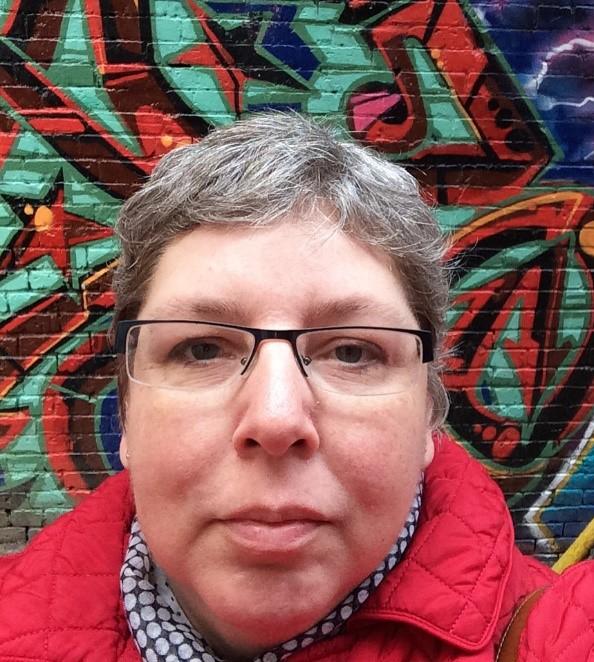
Credit: Lelainia Lloyd

New York, August 10, 2020 – “I went into the MRI bracing for the wave of panic I knew would come as soon as I was strapped down and inside the machine.”

In “A Tale of Two MRIs” by patient Lelainia Lloyd, her experiences–good and bad–are shared as part of an upcoming special issue of the Journal of Medical Imaging and Radiation Sciences, published by Elsevier. This unique issue will feature stories about the interpersonal skills that medical radiation technologists must learn beyond the technical aspects to care for and guide patients through medical imaging and radiation therapy procedures. These skills–empathy, cultural competence, compassion–are not taught in a textbook. Rather they are gained through continuous learning on-the-job–and listening to patient voices is an essential part of that learning.

“I took the initial experience I had into every single MRI for years. Despite knowing that having the MRIs my neurologist ordered was important (not to mention hard to get), there were times when I would cancel because I just didn’t have the capacity to cope. People who have chronic and/or serious illness often carry trauma related to medical treatment of their illnesses. With each successive stressful experience I had, that anxiety and panic grew. When I finally met with compassionate, patient-centered care, it transformed my experience.”

The Journal of Medical Imaging and Radiation Sciences is the professional journal for medical radiation technologists–healthcare professionals that include radiological, nuclear medicine, and magnetic resonance imaging technologists and radiation therapists. This issue is special because it features the voices of patient authors.

Guest Editor Sue Robins, a patient and published author (“The Radiation Therapist and the Patient: Epiphanies, Stories, and Social Media”) has curated this issue as a learning experience for technologists and therapists and patients alike. As Lelainia recounts, “How you choose to engage with patients matters. These experiences stick with patients and color future interactions with healthcare professionals. Done correctly, this can move the experience of healthcare being something done to a patient to something done with the patient. It shifts the balance of power from hierarchical to cooperative and honors the patient’s right to autonomy.”

Lelainia’s eloquent story is a reminder to all healthcare professionals how crucial interpersonal skills are to patients.

###

Media Contact
Wendy Montalvo
[email protected]

Related Journal Article

http://dx.doi.org/10.1016/j.jmir.2020.05.010

Tags: DiagnosticsHealth Care Systems/ServicesHealth ProfessionalsMedicine/Health
Share12Tweet8Share2ShareShareShare2

Related Posts

Cutaneous Lesion Location: Key to Head Injury Risk?

March 27, 2026

Aversive Learning Hijacks Brain Sugar Sensor

March 25, 2026

Can Psychosocial Factors Influence Cancer Risk?

March 23, 2026

Depression Factors in Elderly: Pre vs. Post-COVID Analysis

March 23, 2026
Please login to join discussion

POPULAR NEWS

  • blank

    Revolutionary AI Model Enhances Precision in Detecting Food Contamination

    96 shares
    Share 38 Tweet 24
  • Imagine a Social Media Feed That Challenges Your Views Instead of Reinforcing Them

    1004 shares
    Share 397 Tweet 248
  • Uncovering Functions of Cavernous Malformation Proteins in Organoids

    54 shares
    Share 22 Tweet 14
  • Promising Outcomes from First Clinical Trials of Gene Regulation in Epilepsy

    51 shares
    Share 20 Tweet 13

About

We bring you the latest biotechnology news from best research centers and universities around the world. Check our website.

Follow us

Recent News

In-Sensor Cryptography Links Physical Process to Digital Identity

Can Psychosocial Factors Influence Cancer Risk?

Depression Factors in Elderly: Pre vs. Post-COVID Analysis

Subscribe to Blog via Email

Success! An email was just sent to confirm your subscription. Please find the email now and click 'Confirm' to start subscribing.

Join 78 other subscribers
  • Contact Us

Bioengineer.org © Copyright 2023 All Rights Reserved.

Welcome Back!

Login to your account below

Forgotten Password?

Retrieve your password

Please enter your username or email address to reset your password.

Log In
No Result
View All Result
  • Homepages
    • Home Page 1
    • Home Page 2
  • News
  • National
  • Business
  • Health
  • Lifestyle
  • Science

Bioengineer.org © Copyright 2023 All Rights Reserved.