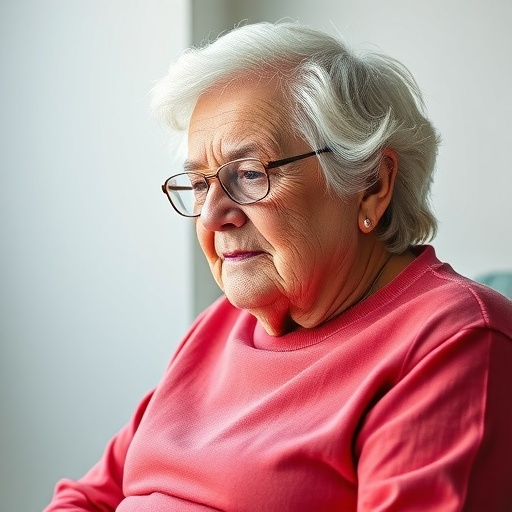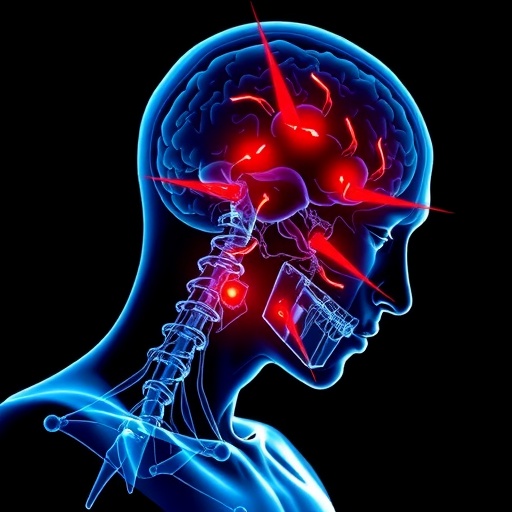
In a significant stride toward unraveling the complex interrelations between physical discomfort and cognitive decline, a recent study sheds light on the often-overlooked connection between pain and neuropsychiatric symptoms in individuals living with dementia. This cross-sectional dyadic study, published in BMC Geriatrics, focuses on community-dwelling people, providing valuable insights into how these intertwined symptoms manifest outside clinical settings, bringing a fresh perspective to dementia care and management.
Neurological disorders such as dementia present a multifaceted challenge, not merely due to cognitive deterioration but also due to accompanying behavioral and psychological symptoms. The study, conducted by Collins, Cowley, Dening, and colleagues, ventures into this intricate territory by examining the coexistence and interplay of physical pain and neuropsychiatric disturbances in a real-world context. The emphasis on community-dwelling individuals highlights the importance of understanding symptomatology in familiar, everyday environments where formal medical supervision might be limited.
One of the pivotal aspects of this research is its dyadic design, which aligns observations of people living with dementia and their caregivers. This approach not only enriches data accuracy but also elucidates the reciprocal influences between the patient’s distress and caregiver burden. By accounting for both perspectives within community settings, the study underscores the importance of integrating caregiver insights into holistic treatment and support plans for dementia care.
Pain in dementia often goes underreported or underestimated due to communication barriers inherent in cognitive decline. This investigation addresses the challenge by employing validated pain assessment tools adapted for cognitive impairment, ensuring more reliable detection of physical discomfort. The presence of unrecognized pain can exacerbate neuropsychiatric symptoms such as agitation, depression, and anxiety, complicating clinical outcomes and quality of life.
The findings delineate a clear association: individuals experiencing moderate to severe pain frequently exhibit heightened neuropsychiatric symptoms. This correlation suggests that pain may act as a trigger or amplifier of behavioral disturbances in dementia, thereby intensifying the burden on both patients and their caregivers. Recognizing pain as a potential modifiable factor opens avenues for targeted interventions aimed at symptom reduction and improved patient comfort.
Crucially, the study contributes to the discussion about non-pharmacological versus pharmacological management strategies in dementia care. While psychotropic medications are commonly prescribed for neuropsychiatric symptoms, they often come with significant side effects and limited efficacy. Addressing underlying pain could reduce reliance on such medications, promoting more nuanced, patient-centered approaches to symptom management.
Further, by focusing on community settings, this research spotlights the gaps in routine assessment of pain and neuropsychiatric symptoms outside institutional environments. Community-dwelling individuals may lack regular access to multidisciplinary evaluations, which can delay identification of distress signals and appropriate care adjustments. This study advocates for enhanced screening protocols and caregiver education to bridge this care continuum gap.
The methodological rigor of this study is notable, employing robust statistical models to adjust for confounding variables such as dementia severity, comorbidities, and medication use. This analytic strategy strengthens the validity of the association found between pain and neuropsychiatric symptoms, moving beyond simple correlation to suggest a meaningful interplay warranting clinical attention.
Another innovative feature is the emphasis on dyads, recognizing that caregiving dynamics significantly impact symptom expression and management. The data reveal that caregiver observations of pain and neuropsychiatric symptoms often align with patient self-reports when possible, emphasizing the value of caregiver input as a proxy in clinical decision-making, especially when patients are less communicative.
The implications of these findings resonate profoundly with the growing emphasis on personalized medicine in dementia care. Tailoring interventions to the unique symptom constellation of each individual, including addressing pain actively, could revolutionize quality of life and functional outcomes. This paradigm shift calls for integrated care frameworks where pain management is not siloed but recognized as part of dementia symptomatology.
Moreover, the study’s focus on community-dwelling populations brings to the fore socio-environmental factors influencing symptom burden. Social isolation, limited healthcare access, and caregiver stress emerge as contextual elements potentially exacerbating pain and neuropsychiatric manifestations. Such insights pave the way for holistic interventions that encompass social support alongside medical treatment.
The broader public health implications are substantial. As the global population ages and dementia prevalence rises, understanding the nuances of symptom interplay in naturalistic settings becomes imperative. Policies and healthcare infrastructures must prioritize resources to facilitate comprehensive symptom assessment and management in communities, reducing hospitalizations and improving life quality.
Educational initiatives targeting caregivers also gain urgency from this study’s findings. Empowering caregivers with knowledge and tools to recognize and report pain and behavioral changes accurately can transform the caregiving experience, mitigate burnout, and enhance patient outcomes through timely interventions.
Finally, this research invites further longitudinal studies to unravel causal pathways and the efficacy of integrated pain and neuropsychiatric symptom treatment protocols. Future investigations could explore the biological mechanisms linking pain perception and neuropsychiatric symptom development in dementia, potentially identifying novel therapeutic targets.
In essence, the study by Collins and colleagues maps a critical intersection between physical and behavioral health in dementia, emphasizing that pain management must be a cornerstone of dementia care strategies. This nuanced understanding propels the field toward more compassionate, effective, and overtly person-centered approaches, promising hope for millions affected by this devastating condition.
Subject of Research: The relationship between pain and neuropsychiatric symptoms in community-dwelling people living with dementia.
Article Title: Pain and neuropsychiatric symptoms in community-dwelling people living with dementia: a cross-sectional dyadic study.
Article References:
Collins, J.T., Cowley, A., Dening, T. et al. Pain and neuropsychiatric symptoms in community-dwelling people living with dementia: a cross-sectional dyadic study. BMC Geriatr (2026). https://doi.org/10.1186/s12877-026-07755-6
Image Credits: AI Generated
Tags: behavioral symptoms in dementia carecaregiver burden in dementia carecaregiver-patient interaction in dementiacommunity-dwelling dementia patientsdementia care in everyday environmentsdementia symptomatology outside clinical settingsdyadic study on dementiainterplay of pain and neuropsychiatric symptomsneuropsychiatric symptoms in dementiapain management in dementia patientsphysical pain and cognitive declinepsychological symptoms in neurological disorders