• HOME
  • NEWS
  • EXPLORE
    • CAREER
      • Companies
      • Jobs
    • EVENTS
    • iGEM
      • News
      • Team
    • PHOTOS
    • VIDEO
    • WIKI
  • BLOG
  • COMMUNITY
    • FACEBOOK
    • INSTAGRAM
    • TWITTER
Monday, October 5, 2026
BIOENGINEER.ORG
No Result
View All Result
  • Login
  • HOME
  • NEWS
  • EXPLORE
    • CAREER
      • Companies
      • Jobs
        • Lecturer
        • PhD Studentship
        • Postdoc
        • Research Assistant
    • EVENTS
    • iGEM
      • News
      • Team
    • PHOTOS
    • VIDEO
    • WIKI
  • BLOG
  • COMMUNITY
    • FACEBOOK
    • INSTAGRAM
    • TWITTER
No Result
View All Result
Bioengineer.org
No Result
View All Result
Home NEWS Science News Health

Oncotarget DOT1L inhibition is lethal for multiple myeloma due to perturbation

Bioengineer by Bioengineer
March 20, 2020
in Health
Reading Time: 2 mins read
0
IMAGE
Share on FacebookShare on TwitterShare on LinkedinShare on RedditShare on Telegram

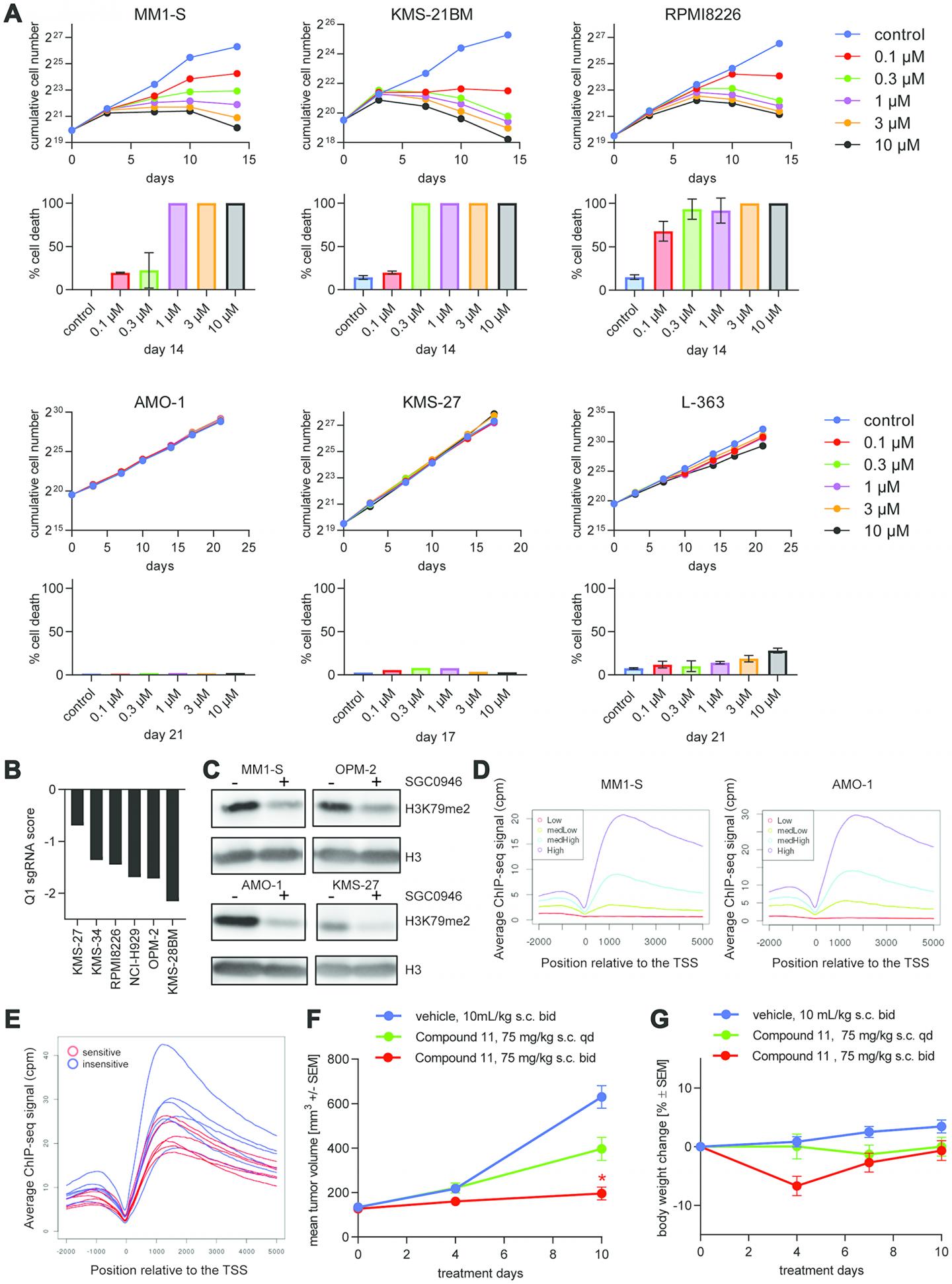
Oncotarget Volume 11, Issue 11 reported that in order to understand the molecular mechanism of the dependency in MM, the research team examined gene expression changes upon DOT1L inhibition in sensitive and insensitive cell lines and discovered that genes
IMAGE

Credit: Correspondence to – Ralph Tiedt – [email protected]


Oncotarget Volume 11, Issue 11 reported that in order to understand the molecular mechanism of the dependency in MM, the research team examined gene expression changes upon DOT1L inhibition in sensitive and insensitive cell lines and discovered that genes belonging to the endoplasmic reticulum stress pathway and protein synthesis machinery were specifically suppressed in sensitive cells.

Whole-genome CRISPR screens in the presence or absence of a DOT1L inhibitor revealed that concomitant targeting of the H3K4me3 methyltransferase SETD1B increases the effect of DOT1L inhibition.

Dr. Ralph Tiedt from Novartis Institutes for BioMedical Research (NIBR) Oncology, Basel, Switzerland said, “MM is an aggressive hematologic cancer characterized by the monoclonal expansion of plasma cells secreting high amounts of immunoglobulins.“

“MM is an aggressive hematologic cancer characterized by the monoclonal expansion of plasma cells secreting high amounts of immunoglobulins.”

– Dr. Ralph Tiedt, Novartis Institutes for BioMedical Research (NIBR) Oncology

The sensitivity of MM cells to proteasome inhibitors is thought to be due to perturbation of the hyperactive UPR, which may offer some degree of selectivity versus non-cancerous cells.

Through pharmacologic and genetic approaches, we found that inhibition of DOT1L, an H3K79 methyltransferase, profoundly reduces the viability of a subset of MM cell lines in vitro and inhibits the growth of established MM xenografts in mice.

CRISPR screens further revealed that targeting the histone methyltransferase SETD1B concomitantly with DOT1L further enhances this effect on the UPR and increases and accelerates MM cell death.

The Tiedt Research Team concluded in their Oncotarget Research Paper, “our discovery indicates a novel opportunity for DOT1L inhibitors in cancer treatment. Concomitant targeting of SETD1B enhances phenotypic and transcriptional effects of DOT1L inhibition in sensitive MM cell lines, which may be an additional therapeutic angle. To our knowledge, no selective SETD1B inhibitors have been described yet, and our data questions whether its methyltransferase activity is critical in the MM context. Additional work is needed to address this question and guide drug discovery.“

Sign up for free Altmetric alerts about this article

DOI – https://doi.org/10.18632/oncotarget.27493

Full text – http://www.oncotarget.com/index.php?journal=oncotarget&page=article&op=view&path[]=27493&path[]=90094

Correspondence to – Ralph Tiedt – [email protected]

Media Contact
@RYANJAMESJESSUP
[email protected]
202-638-9720

Original Source

http://www.oncotarget.com/news/pr/dot1l-inhibition-is-lethal-for-multiple-myeloma-due-to-perturbation-of-the-endoplasmic-reticulum-stress-pathway/

Related Journal Article

http://dx.doi.org/10.18632/oncotarget.27493

Tags: cancerCarcinogensMedicine/Health
Share12Tweet8Share2ShareShareShare2

Related Posts

Hidden Sensor Reveals Sleep Apnea Patients Overestimate Their Own Treatment Use

Hidden Sensor Reveals Sleep Apnea Patients Overestimate Their Own Treatment Use

October 5, 2026
When Misinformation Meets Motherhood: How Uganda's Pandemic Health Messages Faltered

When Misinformation Meets Motherhood: How Uganda’s Pandemic Health Messages Faltered

October 5, 2026

Diabetes Drug Class Shows No Clear Bone Risk in New Scan-Based Study

October 5, 2026

Most U.S. Pharmacists Back Methadone in Pharmacies, but Barriers Loom Large, Nationwide Survey Finds

October 5, 2026
Please login to join discussion

POPULAR NEWS

  • Alloys That Shrink Their Own Grains: New PIX Mechanism Refines Metals With Heat Alone

    Alloys That Shrink Their Own Grains: New PIX Mechanism Refines Metals With Heat Alone

    29 shares
    Share 12 Tweet 7
  • Endurance Exercise Reshapes the Liver in Males and Females Through Distinct Molecular Routes

    29 shares
    Share 12 Tweet 7
  • Single Transcription Factor PU.1 Rapidly Converts Fibroblasts into Macrophage-Lineage Cells

    29 shares
    Share 12 Tweet 7
  • New Scale Measures How Ready Nurse Educators Really Are for the AI Era

    29 shares
    Share 12 Tweet 7

About

We bring you the latest biotechnology news from best research centers and universities around the world. Check our website.

Follow us

Recent News

Alloys That Shrink Their Own Grains: New PIX Mechanism Refines Metals With Heat Alone

Endurance Exercise Reshapes the Liver in Males and Females Through Distinct Molecular Routes

Single Transcription Factor PU.1 Rapidly Converts Fibroblasts into Macrophage-Lineage Cells

Subscribe to Blog via Email

Success! An email was just sent to confirm your subscription. Please find the email now and click 'Confirm' to start subscribing.

Join 85 other subscribers
  • Contact Us

Bioengineer.org © Copyright 2023 All Rights Reserved.

Welcome Back!

Login to your account below

Forgotten Password?

Retrieve your password

Please enter your username or email address to reset your password.

Log In
No Result
View All Result
  • Homepages
    • Home Page 1
    • Home Page 2
  • News
  • National
  • Business
  • Health
  • Lifestyle
  • Science

Bioengineer.org © Copyright 2023 All Rights Reserved.