Workshop provided venue for discussion
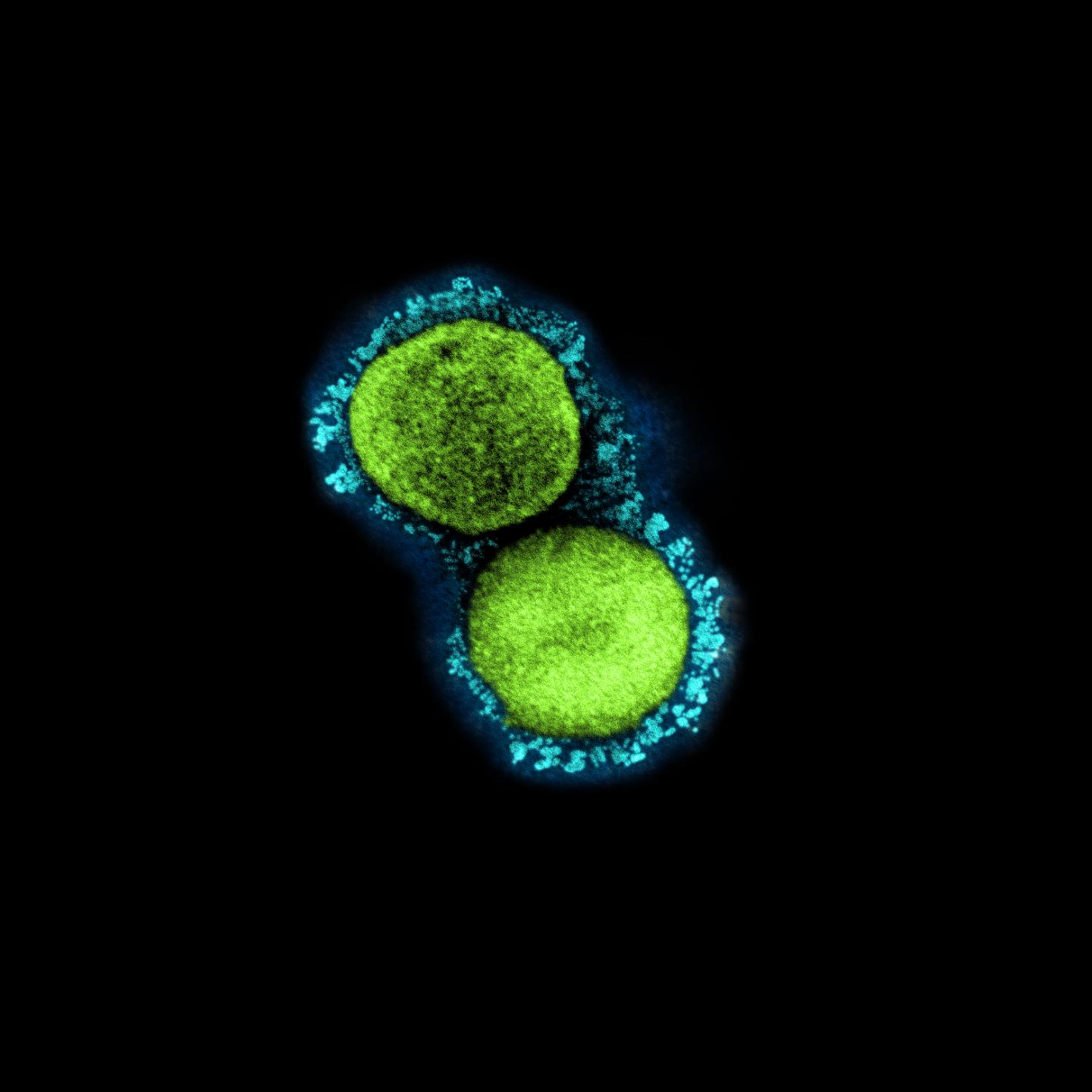
Credit: NIAID
WHAT:
Many people who have COVID-19 make a full recovery and return to their baseline state of health; however, some people have symptoms or other sequelae weeks or months after initial SARS-CoV-2 infection. These heterogeneous symptoms were the subject of the virtual “Workshop on Post-acute Sequelae of COVID-19” hosted on Dec. 2 and 4, 2020, by the National Institute of Allergy and Infectious Diseases (NIAID), in collaboration with other institutes and centers of the National Institutes of Health. A paper published recently in Annals of Internal Medicine describes the workshop. Over 1,200 registered participants including researchers, clinicians, and affected community members discussed what is known about sequelae after COVID-19 and the knowledge gaps that need to be addressed in future research.
The constellation of symptoms and other effects experienced by those who do not return to their baseline state of health after COVID-19 has been referred to by many names, including post-acute sequelae of COVID-19 (PASC), and long or long-haul COVID. Symptoms can be wide-ranging in severity and duration, and may affect numerous organ systems. Reported symptoms include severe fatigue, cognitive dysfunction, and shortness of breath, as well as psychological symptoms, such as anxiety and depression. Longer term effects of COVID-19 have been reported in all age groups and demographics and in persons with asymptomatic, mild, or severe initial COVID-19 illness. If only a small fraction of SARS-CoV-2 infections lead to longer term effects, the global burden of disease will be significant.
In addition to reviewing existing data the workshop presenters identified important knowledge gaps. Notably, the epidemiology is not fully characterized, and it will need to be expanded in order to identify and help vulnerable groups of people. The full clinical spectrum of post-acute COVID-19 is not yet known, nor the reasons why the symptoms manifest so differently in individuals. Underlying pathophysiology is not determined and may be due to SARS-CoV-2 itself, or the immune response to infection.
Since COVID-19 is a new disease, researchers are still documenting the spectrum of recovery and trying to understand the different outcomes patients may experience. People who do not return to their baseline state of health have diverse clinical conditions that will require individualized and multidisciplinary approaches to treatment.
Workshop discussions highlighted that longitudinal studies, ideally including systematic assessments of different organ systems, and including diverse populations, will be needed in order to properly characterize post-acute COVID-19. Careful study of the virus and the immune response to infection may help researchers understand how manifestations of post-acute COVID-19 arise. These research efforts will need to involve a collaboration among clinicians, researchers, advocacy groups and patient communities.
###
ARTICLE:
A Lerner et al. Toward understanding COVID-19 recovery: National Institutes of Health workshop on postacute COVID-19. Annals of Internal Medicine DOI: 10.7326/M21-1043 (2021).
WHO:
Dr. Emily Erbelding, director of the NIAID Division of Microbiology and Infectious Diseases (DMID), is available for comment.
CONTACT:
To schedule interviews, please contact Elizabeth Deatrick, (301) 402-1663, [email protected].
NIAID conducts and supports research–at NIH, throughout the United States, and worldwide–to study the causes of infectious and immune-mediated diseases, and to develop better means of preventing, diagnosing and treating these illnesses. News releases, fact sheets and other NIAID-related materials are available on the NIAID website.
About the National Institutes of Health (NIH): NIH, the nation’s medical research agency, includes 27 Institutes and Centers and is a component of the U.S. Department of Health and Human Services. NIH is the primary federal agency conducting and supporting basic, clinical, and translational medical research, and is investigating the causes, treatments, and cures for both common and rare diseases. For more information about NIH and its programs, visit http://www.
Media Contact
Elizabeth Deatrick
[email protected]
Related Journal Article
http://dx.