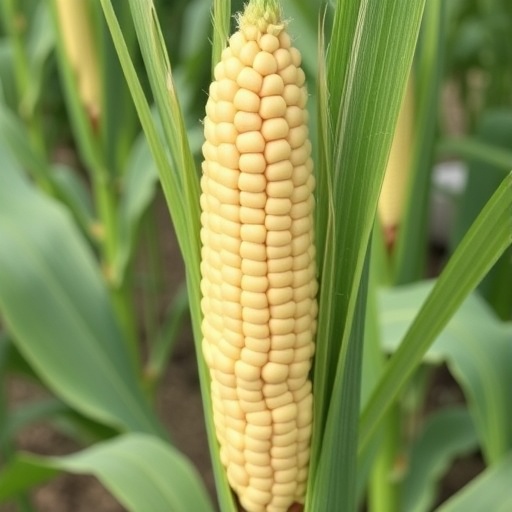
A newly characterized bacterial disease impacting corn and sorghum threatens to upend conventional understanding of interveinal chlorosis, a foliar symptom commonly attributed to iron deficiency. This discovery, originating in the Texas Panhandle, unveils a sophisticated interaction between host plants and the bacterium Pantoea agglomerans, demonstrating that what was previously misdiagnosed as a nutritional deficit is in fact a biological pathology. The implications for crop management are profound, heralding a paradigm shift in disease diagnostics and agronomic interventions for major staple crops.
The initial observations that sparked this investigation documented bright lemon-green discolorations alongside interveinal chlorosis on wild Johnson grass species bordering roadways in Moore County, Texas. These visual symptoms soon manifested identically on adjacent corn and sorghum, affecting seedlings and mature plants alike. Symptomatic individuals exhibited stunted growth and delayed phenological development, with a noticeable reduction in reproductive output, including underdeveloped panicles in sorghum and aborted reproductive stages in corn fields. Such symptoms closely mimic those induced by iron deficiency, confounding traditional diagnostic frameworks.
Comprehensive soil and tissue nutrient assays contradicted the iron-deficiency hypothesis, revealing that affected plants maintained intracellular iron concentrations markedly higher than those found in asymptomatic counterparts. This dissociation between symptomology and iron content suggested an alternate causative factor, rendering the classical nutrient-based remedial strategies ineffective and economically wasteful. Moreover, the sporadic and random spatial distribution of symptomatic plants within agricultural plots hinted at an infectious etiology rather than uniform soil-mediated nutrient insufficiency.
Through methodical exclusion of fungal pathogens and phytoplasmas, researchers employed selective culture media alongside advanced microscopic techniques to isolate and characterize the pathogenic agent. Subsequent antibiotic susceptibility profiling and whole-genome sequencing confirmed the involvement of Pantoea agglomerans, a bacterium previously unreported as a primary pathogen in these crops. Intriguingly, the isolated strains exhibited atypical dimorphic forms and genetic variations suggestive of a novel genotype within the Pantoea genus, indicating an emergent evolutionary adaptation.
This discovery challenges established agronomic practices predicated on visual symptom assessments and underscores the necessity of incorporating molecular diagnostics in routine crop health evaluations. Pantoea agglomerans-induced Interveinal Chlorosis (PIC) presents a compelling case for agronomists and plant pathologists to revise their diagnostic criteria, emphasizing biological over nutritional causality when confronted with interveinal chlorosis symptoms. The economic consequences are significant, as indiscriminate application of supplemental iron fertilization fails to mitigate symptom severity and results in avoidable expenditure.
While first identified within the Texas Panhandle, the detection of this bacterial pathogen raises important concerns regarding its potential geographic spread and impact on cereal crop production globally. Its biology and epidemiology remain subjects of active inquiry, including investigations into mechanisms of transmission, environmental reservoirs, and host range specificity. Understanding these factors will be critical in formulating effective disease management strategies, including potential biological control measures or resistant cultivar development.
The characterization of this disease represents an important contribution to applied plant pathology, highlighting the dynamic nature of plant-pathogen interactions and the ongoing emergence of novel phytobacteria with agronomic significance. It alerts the scientific community and agricultural stakeholders to the complexities underlying foliar symptomatology, advocating for integrated disease surveillance systems that blend classical field observation with cutting-edge molecular diagnostics.
Continued research into Pantoea agglomerans’ pathogenicity mechanisms will potentially elucidate its mode of host colonization, virulence factor production, and evasion of plant immune responses. Such insights will not only expand fundamental understanding of bacterial plant diseases but also enable targeted intervention approaches that minimize crop yield losses and safeguard food security. Moreover, the phenotypic plasticity observed in the bacterial strains could inform broader evolutionary theories on pathogenesis and bacterial adaptation.
Farmers and crop consultants are encouraged to adopt a more nuanced approach to interveinal chlorosis symptoms, verifying pathogen presence before committing to remedial mineral applications. This evidence-based strategy promises to optimize input costs and enhance the sustainability of corn and sorghum production systems. Extension services and diagnostic labs may play pivotal roles in disseminating updated protocols for symptom assessment and pathogen identification.
Given the agronomic prominence of corn and sorghum as staple and feed crops, the socioeconomic impact of this disease cannot be overstated. Crop stunting and impaired reproductive development translate directly to diminished yields and farmer income, especially in regions where these crops underpin rural livelihoods and food supply chains. Therefore, timely recognition and management recommendations stemming from this study are critical components of proactive agricultural health stewardship.
In sum, the identification of Pantoea agglomerans as the causative agent of interveinal chlorosis in corn and sorghum is a landmark finding that urges a reevaluation of foliar disease diagnostics, fosters the integration of pathogen-centered approaches in crop management, and underscores the necessity of molecular tools in modern agronomy. As researchers deepen their understanding of this emergent bacterial disease, the agricultural sector stands poised to implement innovative strategies that reduce unnecessary fertilizer use while addressing pressing plant health challenges.
Subject of Research:
Newly identified bacterial disease causing interveinal chlorosis in corn and sorghum caused by Pantoea agglomerans.
Article Title:
Pantoea-Induced Interveinal Chlorosis (PIC): A New Bacterial Disease of Corn and Sorghum Caused by Pantoea agglomerans Identified in the Texas Panhandle
News Publication Date:
20-Feb-2026
Web References:
https://doi.org/10.1094/PHP-07-25-0184-RS
Image Credits:
Ken Obasa and Dennis Coker
Keywords:
Agriculture, Crop Science, Corn, Sorghum, Interveinal Chlorosis, Iron Deficiency, Plant Pathology, Bacterial Pathogens, Pantoea agglomerans, Crop Yields, Plant Disease Management, Molecular Diagnostics
Tags: agronomic interventions for bacterial diseasesbacterial foliar diseases in cereal cropscorn bacterial disease diagnosiscrop disease impact on growth and yielddisease management in corn and sorghumiron content vs chlorosis in plantsJohnson grass disease symptomsmisdiagnosed iron deficiency symptomsPantoea agglomerans crop infectionplant-bacteria interactions in staple cropssorghum interveinal chlorosis causesTexas Panhandle plant pathology