• HOME
  • NEWS
  • EXPLORE
    • CAREER
      • Companies
      • Jobs
    • EVENTS
    • iGEM
      • News
      • Team
    • PHOTOS
    • VIDEO
    • WIKI
  • BLOG
  • COMMUNITY
    • FACEBOOK
    • INSTAGRAM
    • TWITTER
Thursday, May 14, 2026
BIOENGINEER.ORG
No Result
View All Result
  • Login
  • HOME
  • NEWS
  • EXPLORE
    • CAREER
      • Companies
      • Jobs
        • Lecturer
        • PhD Studentship
        • Postdoc
        • Research Assistant
    • EVENTS
    • iGEM
      • News
      • Team
    • PHOTOS
    • VIDEO
    • WIKI
  • BLOG
  • COMMUNITY
    • FACEBOOK
    • INSTAGRAM
    • TWITTER
  • HOME
  • NEWS
  • EXPLORE
    • CAREER
      • Companies
      • Jobs
        • Lecturer
        • PhD Studentship
        • Postdoc
        • Research Assistant
    • EVENTS
    • iGEM
      • News
      • Team
    • PHOTOS
    • VIDEO
    • WIKI
  • BLOG
  • COMMUNITY
    • FACEBOOK
    • INSTAGRAM
    • TWITTER
No Result
View All Result
Bioengineer.org
No Result
View All Result
Home NEWS Science News Cancer

New study targets breast cancer ‘double jeopardy’

Bioengineer by Bioengineer
May 2, 2019
in Cancer
Reading Time: 2 mins read
0
IMAGE
Share on FacebookShare on TwitterShare on LinkedinShare on RedditShare on Telegram

Heart disease risks go under microscope
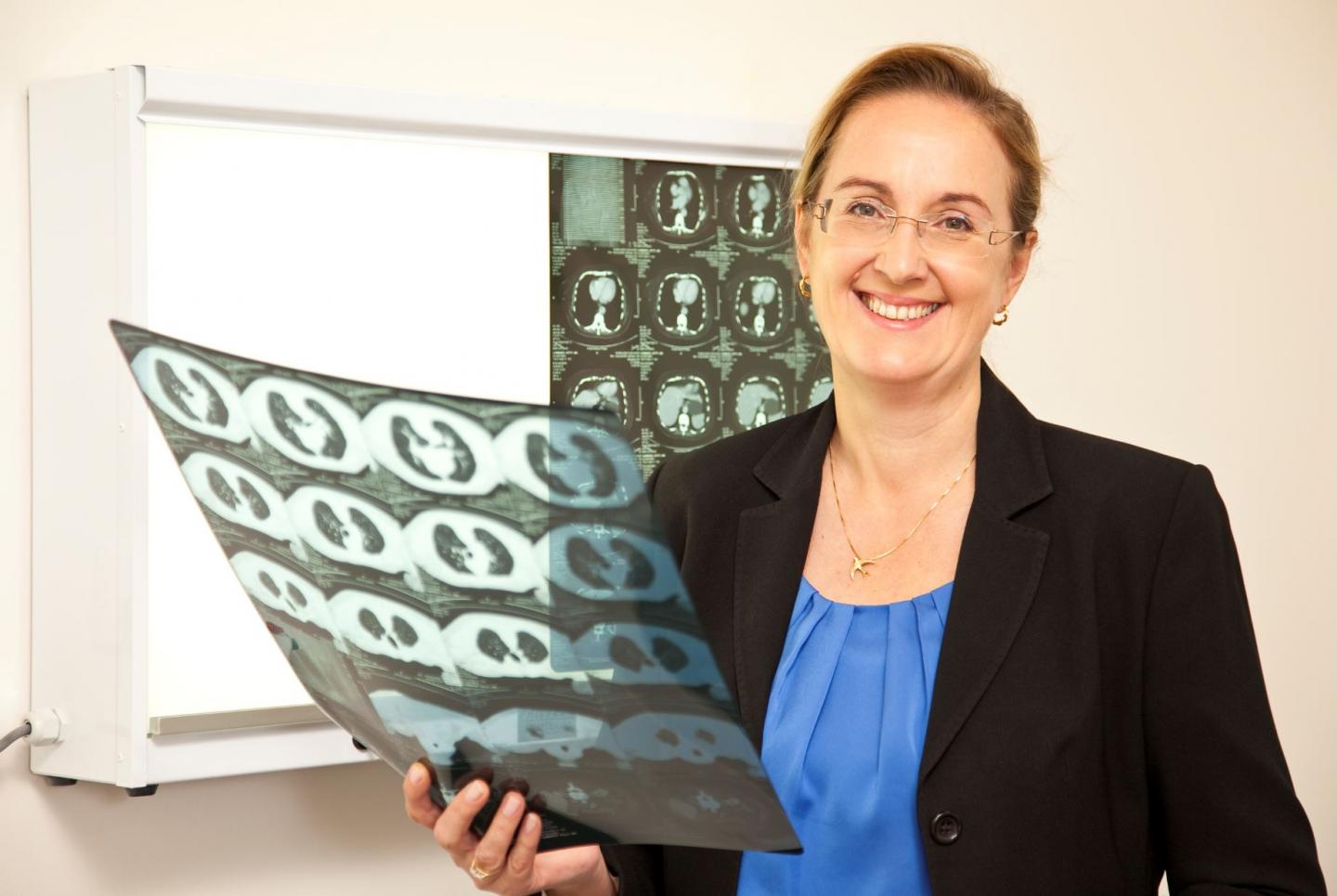
IMAGE

Credit: Photo: Flinders University

An Australian study is set to deliver a world-first model of care to reduce cardiovascular disease in breast cancer survivors.

Cardiovascular disease is Australia’s biggest killer and treatment for breast cancer increases the risk of cardiovascular disease further, yet no formal clinical pathway for prevention, monitoring and management of this risk exists – leading to care that is often fragmented and variable.

Breast cancer is the most commonly diagnosed cancer in Australia and accounts for more than 13% of all new cancers and 28% of all cancers diagnosed in women.

The two-year study will develop a framework for effective, evidence based care, where cardiovascular risk management is embedded into breast cancer care to enable breast cancer patients to reduce their risk of cardiovascular disease and access the services they need in a timely manner while coping with the pressures of their cancer treatment.

Made possible by a $290,000 grant from the National Breast Cancer Foundation, the project is bringing together Flinders University experts in cancer, cardiology and nursing, who will create an integrated care model across cancer and cardiology.

Project Lead, Professor Bogda Koczwara, who leads the Cancer Survivorship Research Group at the Flinders Centre for Innovation in Cancer, points out that many cardiovascular risk factors can be reduced by lifestyle interventions.

“These include weight reduction, diet, exercise as well as medication,” Professor Koczwara says.

“While guidelines exist for managing cardiovascular disease during cancer treatment, the risk factors not related to cancer are often neglected – meaning strategies to improve heart prospects for cancer survivors can be overlooked.

“Neglecting these represents a missed opportunity for better outcomes in terms of cancer and cardiovascular disease.”

Flinders University’s Professor of Cardiology Derek Chew is a co-researcher on the project and Head of Cardiology at the Southern Adelaide Local Health Network.

“It is impractical to expect every breast cancer patient to be seen by a cardiologist,” Professor Chew says.

“However cancer specialists are not always skilled in managing risk factors for cardiac disease, and general practitioners may not be aware of the potential for cardiotoxicity caused by cancer treatment.”

The research team also includes Professor Robyn Clark from Flinders College of Nursing and Health Sciences, who is a Fellow with the Heart Foundation. She emphasised that this project will demonstrate the important role nurses play in cardiac and cancer care.

“The outcome will be a practical model, led by nurses, which will facilitate a safe journey through cancer treatment and give breast-cancer survivors every opportunity to significantly reduce their risk of heart disease.

“We’ll also be evaluating how it’s impacting on actual health outcomes – including quality of life, and cardiac events,” Professor Clark says.

###

Media Contact
Professor Bogda Koczwara
[email protected]

Original Source

https://news.flinders.edu.au/blog/2019/04/30/heart-study-takes-on-on-breast-cancers-double-jeopardy/

Tags: Breast CancercancerCardiologyDeath/DyingMedicine/HealthMortality/LongevityPublic Health
Share13Tweet8Share2ShareShareShare2

Related Posts

New Study Finds Significant Weight Gain More Than Doubles Risk of Certain Cancers

May 13, 2026

Unlocking Pancreatic Development and Cellular Plasticity

May 13, 2026

Unraveling Raf-MEK-ERK Pathway in Prostate Cancer

May 13, 2026

New Drug Candidate Developed at McMaster Shows Potential for Treating Brain Cancer

May 13, 2026
Please login to join discussion

POPULAR NEWS

  • Research Indicates Potential Connection Between Prenatal Medication Exposure and Elevated Autism Risk

    842 shares
    Share 337 Tweet 211
  • New Study Reveals Plants Can Detect the Sound of Rain

    729 shares
    Share 291 Tweet 182
  • Salmonella Haem Blocks Macrophages, Boosts Infection

    62 shares
    Share 25 Tweet 16
  • Breastmilk Balances E. coli and Beneficial Bacteria in Infant Gut Microbiomes

    57 shares
    Share 23 Tweet 14

About

We bring you the latest biotechnology news from best research centers and universities around the world. Check our website.

Follow us

Recent News

SNOR Reactivates Translation After Dormancy

Triple-Negative Breast Cancer Ecotypes and Chemotherapy Response

Maveropepimut-S Combo Shows Promise in Ovarian Cancer

Subscribe to Blog via Email

Enter your email address to subscribe to this blog and receive notifications of new posts by email.

Join 82 other subscribers
  • Contact Us

Bioengineer.org © Copyright 2023 All Rights Reserved.

Welcome Back!

Login to your account below

Forgotten Password?

Retrieve your password

Please enter your username or email address to reset your password.

Log In
No Result
View All Result
  • Homepages
    • Home Page 1
    • Home Page 2
  • News
  • National
  • Business
  • Health
  • Lifestyle
  • Science

Bioengineer.org © Copyright 2023 All Rights Reserved.