• HOME
  • NEWS
  • EXPLORE
    • CAREER
      • Companies
      • Jobs
    • EVENTS
    • iGEM
      • News
      • Team
    • PHOTOS
    • VIDEO
    • WIKI
  • BLOG
  • COMMUNITY
    • FACEBOOK
    • INSTAGRAM
    • TWITTER
Tuesday, August 18, 2026
BIOENGINEER.ORG
No Result
View All Result
  • Login
  • HOME
  • NEWS
  • EXPLORE
    • CAREER
      • Companies
      • Jobs
        • Lecturer
        • PhD Studentship
        • Postdoc
        • Research Assistant
    • EVENTS
    • iGEM
      • News
      • Team
    • PHOTOS
    • VIDEO
    • WIKI
  • BLOG
  • COMMUNITY
    • FACEBOOK
    • INSTAGRAM
    • TWITTER
  • HOME
  • NEWS
  • EXPLORE
    • CAREER
      • Companies
      • Jobs
        • Lecturer
        • PhD Studentship
        • Postdoc
        • Research Assistant
    • EVENTS
    • iGEM
      • News
      • Team
    • PHOTOS
    • VIDEO
    • WIKI
  • BLOG
  • COMMUNITY
    • FACEBOOK
    • INSTAGRAM
    • TWITTER
No Result
View All Result
Bioengineer.org
No Result
View All Result
Home NEWS Science News Biology

New study results consistent with dog domestication during ice age

Bioengineer by Bioengineer
February 19, 2020
in Biology
Reading Time: 3 mins read
0
IMAGE
Share on FacebookShare on TwitterShare on LinkedinShare on RedditShare on Telegram

A research team performed dental microwear analysis on canid fossils from a Paleolithic site in the Czech Republic
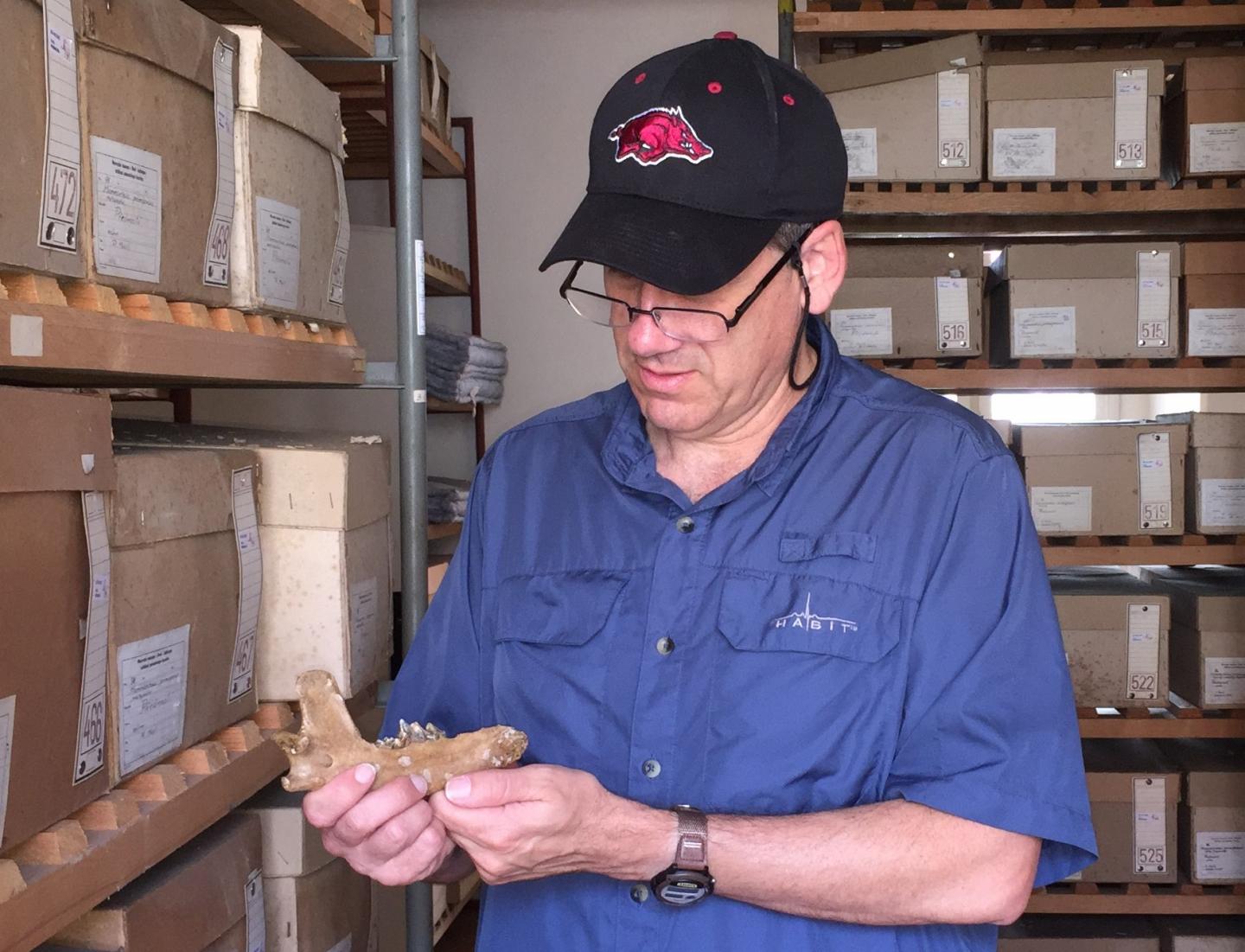
IMAGE

Credit: Peter Ungar


Analysis of Paleolithic-era teeth from a 28,500-year-old fossil site in the Czech Republic provides supporting evidence for two groups of canids – one dog-like and the other wolf-like – with differing diets, which is consistent with the early domestication of dogs.

The study, published in the Journal of Archaeological Science, was co-directed by Peter Ungar, Distinguished Professor of anthropology at the University of Arkansas.

The researchers performed dental microwear texture analysis on a sample of fossils from the Předmostí site, which contains both wolf-like and dog-like canids. Canids are simply mammals of the dog family. The researchers identified distinctive microwear patterns for each canid morphotype. Compared to the wolf-like canids, the teeth of the early dog canids – called “protodogs” by the researchers – had larger wear scars, indicating a diet that included hard, brittle foods. The teeth of the wolf-like canids had smaller scars, suggesting they consumed more flesh, likely from mammoth, as shown by previous research.

This greater durophagy – animal eating behavior suggesting the consumption of hard objects – among the dog-like canids means they likely consumed bones and other less desirable food scraps within human settlement areas, Ungar said. It provides supporting evidence that there were two types of canids at the site, each with a distinct diet, which is consistent with other evidence of early-stage domestication.

“Our primary goal was to test whether these two morphotypes expressed notable differences in behavior, based on wear patterns,” said Ungar. “Dental microwear is a behavioral signal that can appear generations before morphological changes are established in a population, and it shows great promise in using the archaeological record to distinguish protodogs from wolves.”

Dog domestication is the earliest example of animal husbandry and the only type of domestication that occurred well before the earliest definitive evidence of agriculture. However, there is robust scientific debate about the timing and circumstances of the initial domestication of dogs, with estimates varying between 15,000 and 40,000 years ago, well into the Ice Age, when people had a hunter-gatherer way of life. There is also debate about why wolves were first domesticated to become dogs. From an anthropological perspective, the timing of the domestication process is important for understanding early cognition, behavior and the ecology of early Homo sapiens.

###

The study’s lead author is Kari Prassack, curator of paleontology at Hagerman Fossil Beds National Monument, which is part of the National Park Service. Co-authors were Martina Lázničková-Galetová of the Moravian Museum in Czech Republic; Mietje Germonpré of the Royal Belgian Institute of Natural Sciences; and Josephine DuBois, Ungar’s former Honors College student and now student at the University of Missouri-Kansas City School of Dentistry.

This research was supported by the Czech Science Foundation, the Ministry of Culture of the Czech Republic and the University of Arkansas Honors College. Fossil material for this study came from collections of the Moravian Museum in Czech Republic.

Media Contact
Peter Ungar
[email protected]
479-575-6361

Original Source

https://researchfrontiers.uark.edu/new-study-results-consistent-with-dog-domestication-during-ice-age/

Related Journal Article

http://dx.doi.org/10.1016/j.jas.2020.105092

Tags: BiologyEvolutionOld WorldPaleontologyPets/EthologyZoology/Veterinary Science
Share12Tweet8Share2ShareShareShare2

Related Posts

Scientists identify crucial steps that initiate DNA replication

Scientists identify crucial steps that initiate DNA replication

August 18, 2026
Diverse Legume Defence Signals and Clustered Receptors Co-Evolved from Conserved Subtilase Scaffolds

Diverse Legume Defence Signals and Clustered Receptors Co-Evolved from Conserved Subtilase Scaffolds

August 18, 2026

Last common ancestor may have climbed vertically, regardless of limb structure

August 18, 2026

Scientists Develop Real-Time Control Systems for Engineered Biology

August 18, 2026
Please login to join discussion

POPULAR NEWS

  • UL Research Institutes names Chao-Yang Wang electrochemical safety institute executive director

    29 shares
    Share 12 Tweet 7
  • Alliance reports first randomized trial results for radiopharmaceutical treatment in kidney cancer

    29 shares
    Share 12 Tweet 7
  • Real-world study confirms TB preventive treatment works for people with HIV

    29 shares
    Share 12 Tweet 7
  • 3D-Printed Cellulose Hydrogel Keeps Wearable Sensors Flexible Below Freezing

    29 shares
    Share 12 Tweet 7

About

We bring you the latest biotechnology news from best research centers and universities around the world. Check our website.

Follow us

Recent News

UL Research Institutes names Chao-Yang Wang electrochemical safety institute executive director

Alliance reports first randomized trial results for radiopharmaceutical treatment in kidney cancer

Real-world study confirms TB preventive treatment works for people with HIV

Subscribe to Blog via Email

Enter your email address to subscribe to this blog and receive notifications of new posts by email.

Join 85 other subscribers
  • Contact Us

Bioengineer.org © Copyright 2023 All Rights Reserved.

Welcome Back!

Login to your account below

Forgotten Password?

Retrieve your password

Please enter your username or email address to reset your password.

Log In
No Result
View All Result
  • Homepages
    • Home Page 1
    • Home Page 2
  • News
  • National
  • Business
  • Health
  • Lifestyle
  • Science

Bioengineer.org © Copyright 2023 All Rights Reserved.