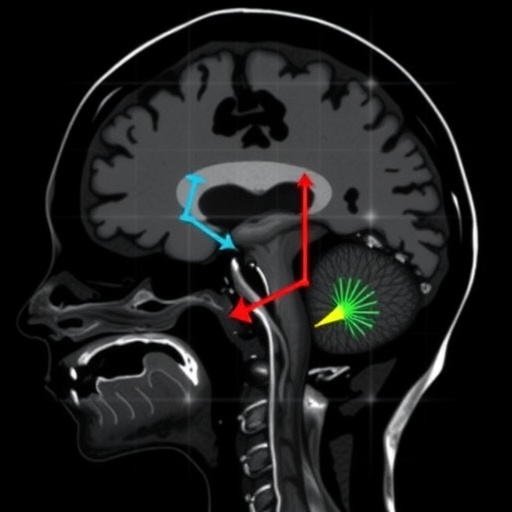
In a groundbreaking study emanating from Dartmouth Cancer Center, researchers have elucidated the multifactorial barriers impeding timely postoperative radiotherapy for patients with head and neck squamous cell carcinoma residing in rural settings. This investigation probes deeply into the systemic and socio-environmental factors contributing to treatment delays, which significantly compromise survival outcomes despite established clinical guidelines endorsing initiation of radiotherapy within six weeks following surgery.
Head and neck squamous cell carcinoma represents a distinct oncologic challenge, given the complex anatomical region involved and the stringent timeline required for adjuvant therapy to optimize prognosis. The study, recently published in JAMA Otolaryngology–Head & Neck Surgery, employs a qualitative methodology that rigorously engaged multiple stakeholders—including patients, caregivers, and clinical staff—through structured dialogues at two rural cancer clinics affiliated with Dartmouth Health. This approach allows for nuanced insight into the lived experiences and logistical complexities that are often underreported in quantitative analyses.
One of the most striking revelations from the analysis is the intricate communication gap between patients and their multidisciplinary care teams. The dispersed geography of rural populations manifests in fragmented interactions, exacerbating uncertainties about treatment plans and timelines. This communication breakdown frequently delays critical decision-making processes, undermining adherence to recommended treatment windows.
Another salient challenge identified is the convoluted coordination required among various healthcare providers throughout the patient’s treatment continuum. Integrative oncology care necessitates synchrony between surgeons, radiation oncologists, dentists, and supportive care providers, whose schedules and protocols often lack harmonization. This lack of streamlined coordination results in procedural redundancies and missed opportunities to expedite care transitions.
Dental clearance before radiation therapy emerges as a significant bottleneck. Pre-radiation dental assessments and interventions are imperative to minimize oral complications, yet access to dental care is severely limited in rural regions. Patients frequently encounter protracted waits for necessary dental procedures, directly delaying the onset of radiation therapy, which structurally compresses the operative timeline and elevates the risk of tumor recurrence.
Transportation inadequacies compound these issues, particularly given the paucity of reliable public transit in rural areas. Patients often rely on informal networks, including family or community volunteers, to attend appointments scattered across extensive geographic distances. This reliance introduces variability and unpredictability, further postponing critical interventions.
Moreover, the physical and emotional toll exacted by cancer surgery complicates patients’ capacity to navigate these systemic impediments. Postoperative recovery is fraught with pain, fatigue, and psychological distress, which collectively hinder patients’ engagement in subsequent treatment processes and their ability to manage complex logistical demands independently.
Importantly, these barriers do not exist in isolation; they are interwoven in a complex matrix where one delay frequently triggers cascading postponements. For example, transportation difficulties may defer dental clearance appointments, which in turn postpone the initiation of radiation therapy, demonstrating the compounded nature of these challenges and the need for holistic intervention strategies.
Despite these obstacles, the research highlights indispensable strengths inherent to rural healthcare environments. Dedicated clinical staff members acting as consistent points of contact emerge as critical facilitators in maintaining continuity and clarity throughout the treatment journey. These personnel serve as anchors, guiding patients through the fragmented system and mitigating some of the communication and coordination lapses inherent to rural healthcare delivery.
Community ties form a further pillar of support, with patients and caregivers drawing upon established social networks and community resources to bridge gaps between formal healthcare provisions. The reciprocity and trust endemic to these communities can be harnessed to bolster adherence and provide practical assistance, thereby enhancing treatment timeliness.
Caregivers play an instrumental, yet often underappreciated, role in navigating oncology care complexities. They assume responsibilities spanning from logistical coordination to emotional support, functioning as indispensable advocates and facilitators. However, the burden placed upon caregivers suggests that interventions should be calibrated not only to patient needs but also to adequately support these vital care partners.
Another emergent facilitator is peer support, which patients consistently identified as a source of empowerment and resilience. Sharing experiences with others who have traversed similar treatment pathways diminishes feelings of isolation and uncertainty. Peer networks function as informal yet potent psychosocial interventions that can augment the formal healthcare infrastructure by promoting preparedness and emotional well-being.
In response to these insights, the Dartmouth Cancer Center team is pioneering multilevel interventions aimed at dismantling the identified barriers and capitalizing on existing facilitators. By integrating community-engaged approaches, the initiative seeks to foster an equitable, patient-centered model of care that reduces adverse disparities in head and neck cancer outcomes among rural populations.
This research signifies a paradigm shift from problem identification to co-creation of solutions with stakeholders most intimately affected. Addressing rural cancer care inequities necessitates tailored interventions that embrace the cultural and logistical realities of rural life while fortifying systemic efficiencies.
Ultimately, these findings underscore the imperative to reimagine rural oncology care infrastructure through a lens that incorporates interpersonal communication optimization, logistical streamlining, caregiver empowerment, and community engagement. Such comprehensive strategies hold the promise of improving survival rates and quality of life for rural cancer patients confronting the multifaceted hurdles of adjuvant therapy timeliness.
—
Subject of Research: People
Article Title: Barriers and Facilitators to Timely Adjuvant Therapy for Head and Neck Cancer in Rural Care
News Publication Date: 16-Apr-2026
Web References: http://dx.doi.org/10.1001/jamaoto.2026.0369
References: JAMA Otolaryngology–Head & Neck Surgery, DOI 10.1001/jamaoto.2026.0369
Image Credits: Dartmouth Cancer Center
Keywords: Rural healthcare disparities, head and neck squamous cell carcinoma, postoperative radiotherapy, cancer care coordination, dental clearance, transportation barriers, caregiver support, peer support, qualitative study, oncology outcomes
Tags: adjuvant therapy challenges in rural areashead and neck cancer care delayshead and neck squamous cell carcinoma managementmultidisciplinary cancer care communicationpatient-provider communication gapspostoperative radiotherapy timingqualitative cancer care researchrural cancer treatment barriersrural healthcare disparitiesrural oncology patient experiencessystemic obstacles in cancer treatmenttreatment adherence in rural cancer patients