A new study from The Westmead Institute for Medical Research has identified a genetic variant associated with liver fibrosis in chronic hepatitis C patients; this finding is a step toward reducing the number of patients requiring liver transplants
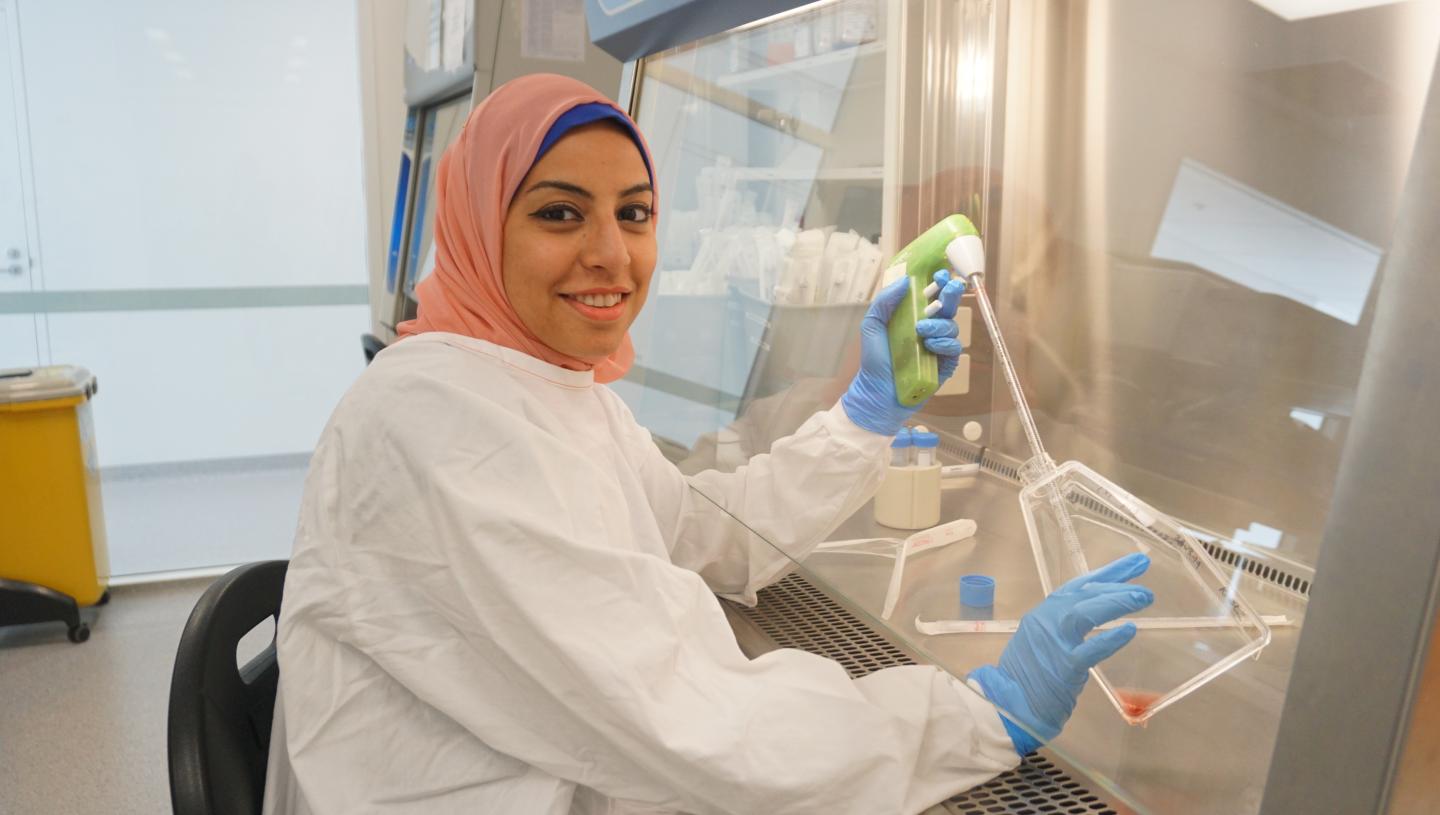
Credit: The Westmead Institute for Medical Research
A new study from The Westmead Institute for Medical Research has identified a genetic variant associated with liver fibrosis (scarring) in chronic hepatitis C patients. This finding is a step toward reducing the number of patients requiring liver transplants.
Researchers studied the role and mechanisms of a genetic variation in the MICA gene, a gene that is induced when cells are damaged.
The research team were able to show that, in 1,689 patients with chronic hepatitis C, the MICA gene variant rs2596542 is associated with the progression and severity of liver fibrosis.
They believe this occurs because rs2596542 triggers an immune response that increases the rate of liver fibrosis in patients with chronic hepatitis C infection.
First author of the study, Dr Rasha El Sharkawy said, “Understanding how and why liver fibrosis occurs is crucial for preventing health complications in those at risk.
“Chronic hepatitis C, liver fibrosis and hepatocellular carcinoma (or HCC – the most common form of primary liver cancer) are all serious conditions that are closely linked.
“Chronic hepatitis C is a major risk factor for liver cirrhosis (advanced liver fibrosis), and a leading cause of HCC in Australia. Liver scarring and chronic hepatitis C are both conditions that can lead to a liver transplant.
“The rate of fibrosis differs from person to person, so understanding the genetics behind liver fibrosis is critical for prevention.
“Now that we have identified a genetic variant associated with liver fibrosis in people with chronic hepatitis C, we can work towards targeting this variant to identify which patients are at greater risk of developing liver fibrosis, as well as creating better preventative measures and new treatments.”
Currently, there are no approved treatments to reduce fibrosis in the liver. Liver transplantation is the only ‘cure’ for those with end-stage liver disease.
“Each year an estimated 339,000 people die globally from hepatitis C, mostly from cirrhosis and HCC,” Dr El Sharkawy said.
“While some patients are eligible for a liver transplant to ‘treat’ complications, there are far more patients than there are donors, and not all patients are suitable for a transplant.
“Preventing the progression of fibrosis could reduce the number of patients who require a liver transplant.
“By identifying which patients are at a greater risk of fibrosis, we can potentially prevent complications of fibrosis before they occur.
“We can now also investigate the risk variant as a potential target for future treatments, reducing the overall number of patients living with liver complications.”
The research paper was published in Scientific Reports: https:/
###
The research was led by Professor Jacob George and Associate Professor Mohammed Eslam.
Dr Rasha El Sharkawy is affiliated with The Westmead Institute for Medical Research and the University of Sydney.
Professor Jacob George is affiliated with The Westmead Institute for Medical Research, the University of Sydney and Westmead Hospital.
Associate Professor Mohammed Eslam is associated with The Westmead Institute for Medical Research and the University of Sydney.
Media Contact
Alison Grinyer
[email protected]
Original Source
https:/
Related Journal Article
http://dx.