• HOME
  • NEWS
  • EXPLORE
    • CAREER
      • Companies
      • Jobs
    • EVENTS
    • iGEM
      • News
      • Team
    • PHOTOS
    • VIDEO
    • WIKI
  • BLOG
  • COMMUNITY
    • FACEBOOK
    • INSTAGRAM
    • TWITTER
Wednesday, May 27, 2026
BIOENGINEER.ORG
No Result
View All Result
  • Login
  • HOME
  • NEWS
  • EXPLORE
    • CAREER
      • Companies
      • Jobs
        • Lecturer
        • PhD Studentship
        • Postdoc
        • Research Assistant
    • EVENTS
    • iGEM
      • News
      • Team
    • PHOTOS
    • VIDEO
    • WIKI
  • BLOG
  • COMMUNITY
    • FACEBOOK
    • INSTAGRAM
    • TWITTER
  • HOME
  • NEWS
  • EXPLORE
    • CAREER
      • Companies
      • Jobs
        • Lecturer
        • PhD Studentship
        • Postdoc
        • Research Assistant
    • EVENTS
    • iGEM
      • News
      • Team
    • PHOTOS
    • VIDEO
    • WIKI
  • BLOG
  • COMMUNITY
    • FACEBOOK
    • INSTAGRAM
    • TWITTER
No Result
View All Result
Bioengineer.org
No Result
View All Result
Home NEWS Science News Biology

New regulator of liver metabolism discovered

Bioengineer by Bioengineer
September 29, 2017
in Biology
Reading Time: 2 mins read
0
Share on FacebookShare on TwitterShare on LinkedinShare on RedditShare on Telegram
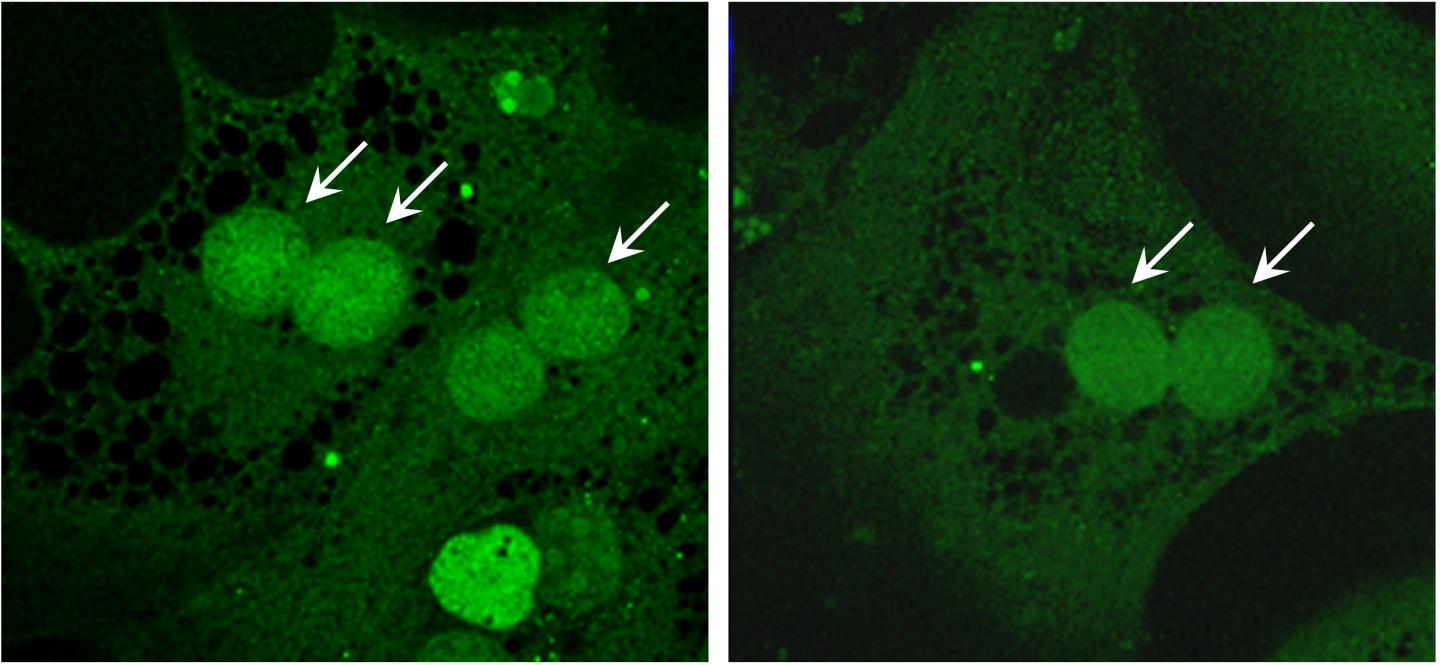
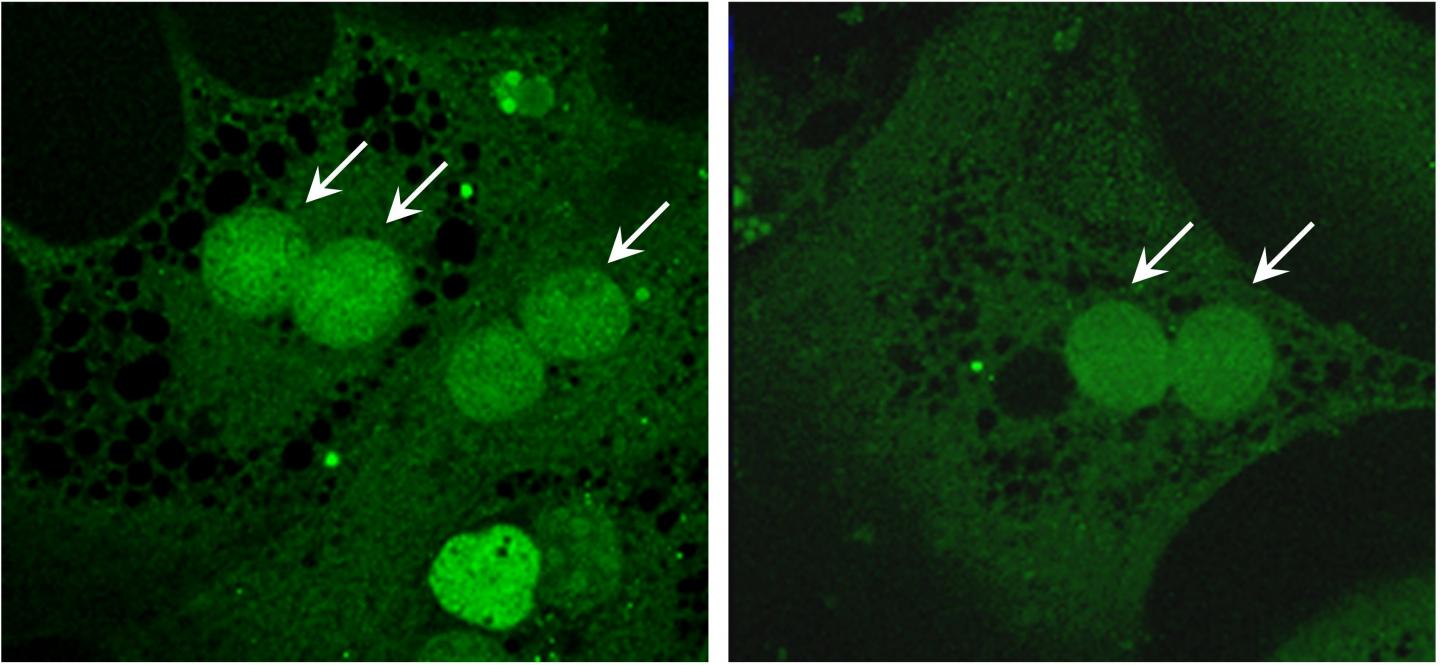
IMAGE

Credit: M.Schupp

All cells can adapt their metabolic activity with respect to the availability of various sources of energy, such as glucose. This vital ability makes cells more efficient at absorbing and utilizing these substances, in addition to protecting them against the negative effects of overload. However, exposure to chronically-high glucose levels can result in an adaptive response which is damaging to cells and promoting diseases.

Led by Prof. Dr. Michael Schupp, head of the Molecular Pharmacology and Metabolism Working Group at Charité's Institute of Pharmacology, the researchers showed that the enzyme retinol saturase plays a role in the adaptive processes found in liver cells. By studying levels of the enzyme in both slim and obese participants, the researchers found that levels increase in line with body weight. They also analyzed the cells' metabolic pathways and their metabolic adaptation to glucose levels after reducing the enzyme's abundance. The negative metabolic effects associated with excess exposure to glucose were significantly less pronounced in cells that had been modified in this way.

Discussing the results of the study, Prof. Schupp concludes: "The inactivation of retinol saturase activity may offer a new approach to the treatment of metabolic liver disease and its associated problems, such as fatty liver disease and dyslipidemia." As a next step, the researchers are planning to identify the mechanisms involved, and to test whether other cell types also need the enzyme to adapt to changing glucose levels.

###

Media Contact

Michael Schupp
[email protected]
49-304-505-78724

http://www.charite.de

Related Journal Article

http://dx.doi.org/10.1038/s41467-017-00430-w

Share14Tweet8Share2ShareShareShare2

Related Posts

Live Rattlesnake Cam in Pennsylvania Offers 24/7 Access to Timber Rattlesnake Observation—Third Installment Now Streaming — Biology

Live Rattlesnake Cam in Pennsylvania Offers 24/7 Access to Timber Rattlesnake Observation—Third Installment Now Streaming

May 27, 2026
“DNA ‘Nicks’ Enable Safer, More Precise Genetic Analysis” — Biology

“DNA ‘Nicks’ Enable Safer, More Precise Genetic Analysis”

May 27, 2026

Study Finds Archaic DNA Could Reduce Immunity to Common DNA Viruses in Modern Humans

May 27, 2026

Scientists Achieve Unprecedented Precision in Mapping How Genes Influence Metabolism

May 27, 2026
Please login to join discussion

POPULAR NEWS

  • ESMO 2025: mRNA COVID Vaccines Enhance Efficacy of Cancer Immunotherapy

    318 shares
    Share 127 Tweet 80
  • New Study Reveals Plants Can Detect the Sound of Rain

    735 shares
    Share 293 Tweet 183
  • Common Food Preservatives Associated with Elevated Blood Pressure and Increased Heart Disease Risk

    56 shares
    Share 22 Tweet 14
  • AI-Powered Atlas Uncovers Extensive Whole-Body Damage Linked to Obesity

    53 shares
    Share 21 Tweet 13

About

We bring you the latest biotechnology news from best research centers and universities around the world. Check our website.

Follow us

Recent News

Groundbreaking Clinical Trial Yields Key Insights for Treating Chiari Malformation and Syringomyelia

Expert Diffusion Model Predicts, Localizes Lung Cancer STAS

Unique Genetics Drive Extreme Complex Traits

Subscribe to Blog via Email

Enter your email address to subscribe to this blog and receive notifications of new posts by email.

Join 82 other subscribers
  • Contact Us

Bioengineer.org © Copyright 2023 All Rights Reserved.

Welcome Back!

Login to your account below

Forgotten Password?

Retrieve your password

Please enter your username or email address to reset your password.

Log In
No Result
View All Result
  • Homepages
    • Home Page 1
    • Home Page 2
  • News
  • National
  • Business
  • Health
  • Lifestyle
  • Science

Bioengineer.org © Copyright 2023 All Rights Reserved.