• HOME
  • NEWS
  • EXPLORE
    • CAREER
      • Companies
      • Jobs
    • EVENTS
    • iGEM
      • News
      • Team
    • PHOTOS
    • VIDEO
    • WIKI
  • BLOG
  • COMMUNITY
    • FACEBOOK
    • INSTAGRAM
    • TWITTER
Thursday, June 25, 2026
BIOENGINEER.ORG
No Result
View All Result
  • Login
  • HOME
  • NEWS
  • EXPLORE
    • CAREER
      • Companies
      • Jobs
        • Lecturer
        • PhD Studentship
        • Postdoc
        • Research Assistant
    • EVENTS
    • iGEM
      • News
      • Team
    • PHOTOS
    • VIDEO
    • WIKI
  • BLOG
  • COMMUNITY
    • FACEBOOK
    • INSTAGRAM
    • TWITTER
  • HOME
  • NEWS
  • EXPLORE
    • CAREER
      • Companies
      • Jobs
        • Lecturer
        • PhD Studentship
        • Postdoc
        • Research Assistant
    • EVENTS
    • iGEM
      • News
      • Team
    • PHOTOS
    • VIDEO
    • WIKI
  • BLOG
  • COMMUNITY
    • FACEBOOK
    • INSTAGRAM
    • TWITTER
No Result
View All Result
Bioengineer.org
No Result
View All Result
Home NEWS Science News Biology

New measure of biological age can predict health risks

Bioengineer by Bioengineer
February 11, 2020
in Biology
Reading Time: 2 mins read
0
IMAGE
Share on FacebookShare on TwitterShare on LinkedinShare on RedditShare on Telegram

IMAGE

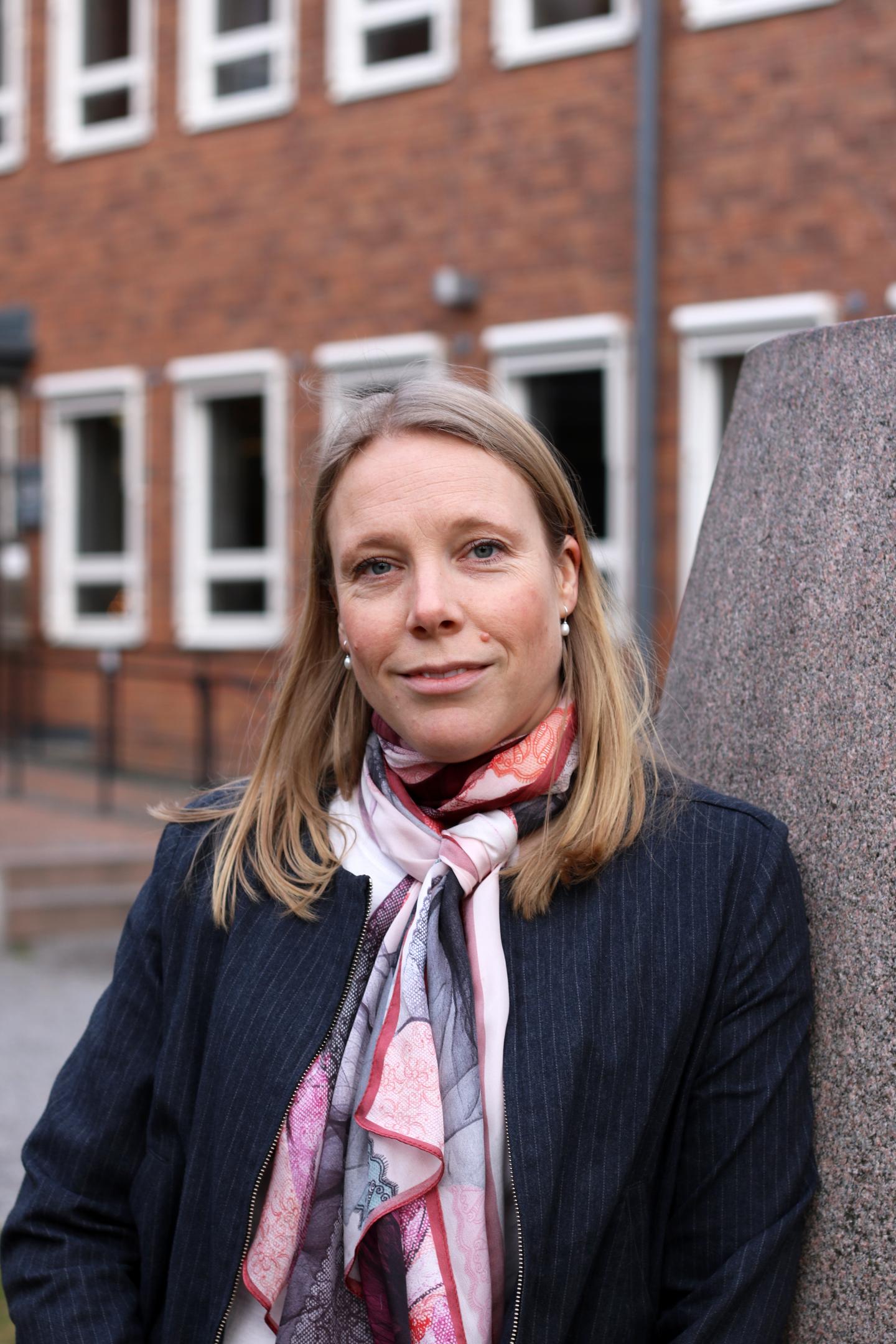
Credit: Gunilla Sonnebring


People age in different ways. Biological age is a metric that scientists use to predict health risks, the relevance of which can be enhanced by combining different markers. Particularly important markers are frailty and the epigenetic clock, write researchers from Karolinska Institutet in a study published in eLife.

Biological age can differ from chronological age, and the idea of measuring biological age is that it can indicate health risks or the risk of early death – and thus hopefully provide new opportunities for preventative healthcare.

But which markers are most relevant to the measurement of biological age? One new piece of the puzzle can be found in a study led by Sara Hägg, researcher at Karolinska Institutet, that combined different markers.

“There are different ways of measuring biological age,” she says. “We need to know which markers are the most important. Ultimately it might conceivably lead to new ways to prevent age-related diseases.”

The biological age metric has been examined in several studies recently. One thing that sets this new study apart is that it studies a combination of multiple markers.

The results of the study show that some markers are particularly important for predicting the risk of early death. The degree of frailty, based on the participants’ self-reports of various symptoms, is one; another is the epigenetic clock (DNA methylation age estimator), which is linked to how different genes are expressed.

Other markers studied include telomere length, blood biomarkers and cognitive and physical abilities. These markers were also associated with an increased risk of early death.

The study was a population study that followed 845 middle-aged and elderly participants over a period of 20 years.

“There is a lot of interest in this research and biological age is an effective tool for predicting health risks,” says Hägg. “However, it’s important to stress that our results are population-based and need to be validated at an individual level.”

###

The study was financed with grants from the National Institutes of Health (NIH), the MacArthur Foundation Research Network on Successful Aging, the Swedish Research Council for Health, Working Life and Welfare (FORTE), the Swedish Research Council, the Loo and Hans Osterman Foundation for Medical Research, the Foundation for Geriatric Diseases at KI, Karolinska Institutet’s Research Foundations, the Magnus Bergvall Foundation, the Gamla Tjänarinnor Foundation, the Strategic Research Area in Epidemiology (SfoEpi) at Karolinska Institutet, the China Scholarship Council (CSC), and King Gustaf V and Queen Victoria’s Foundation of Freemasons.

Publication: “Longitudinal trajectories, correlations and mortality associations of nine biological ages across 20-years follow-up,” Xia Li, Alexander Ploner, Yunzhang Wang, Patrik Magnusson, Chandra Reynolds, Deborah Finkel, Nancy Pedersen, Juulia Jylhävä, Sara Hägg, eLife, online Feb. 11, 2020, doi: 10.7554/eLife.51507

Media Contact
Press Office, Karolinska Institutet
[email protected]

Original Source

http://dx.doi.org/10.7554/eLife.51507

Related Journal Article

http://dx.doi.org/10.7554/eLife.51507

Tags: AgingBioinformaticsCell BiologyDeath/DyingEpidemiologyGerontologyMedicine/HealthMortality/LongevityPhysiology
Share12Tweet8Share2ShareShareShare2

Related Posts

Natural Hallucinogens: Evolution’s Ecological Tools, Not Mere Chemical Byproducts

June 25, 2026

This Famous Butterfly Revealed: Three Distinct Species Hidden in One

June 25, 2026

Scientists Attack Soybean Cyst Nematode by Starving Its Food Source

June 25, 2026

Decoding the Secret Code of a Crucial Immune Sensor

June 24, 2026
Please login to join discussion

POPULAR NEWS

  • Saying Goodbye to PGY-6: Pediatric Fellowship Realities

    103 shares
    Share 41 Tweet 26
  • Multi-Hospital Study Reveals Long Covid Burden Is Twice as High as Current Estimates

    92 shares
    Share 36 Tweet 23
  • Detection of EDCs in Breast Milk and Infant Urine Up to Six Months Highlights Early Exposure Risks

    77 shares
    Share 31 Tweet 19
  • New Drug Candidate Developed at McMaster Shows Potential for Treating Brain Cancer

    58 shares
    Share 23 Tweet 15

About

We bring you the latest biotechnology news from best research centers and universities around the world. Check our website.

Follow us

Recent News

Tracking Lanthanide-Labeled Microplastics in Plants

POSTECH Researchers Slash Cost of Reconstituted Cell-Free Systems by 95%

AI and Physics Collaborate to Design Advanced Hydrogen Storage Materials

Subscribe to Blog via Email

Success! An email was just sent to confirm your subscription. Please find the email now and click 'Confirm' to start subscribing.

Join 82 other subscribers
  • Contact Us

Bioengineer.org © Copyright 2023 All Rights Reserved.

Welcome Back!

Login to your account below

Forgotten Password?

Retrieve your password

Please enter your username or email address to reset your password.

Log In
No Result
View All Result
  • Homepages
    • Home Page 1
    • Home Page 2
  • News
  • National
  • Business
  • Health
  • Lifestyle
  • Science

Bioengineer.org © Copyright 2023 All Rights Reserved.