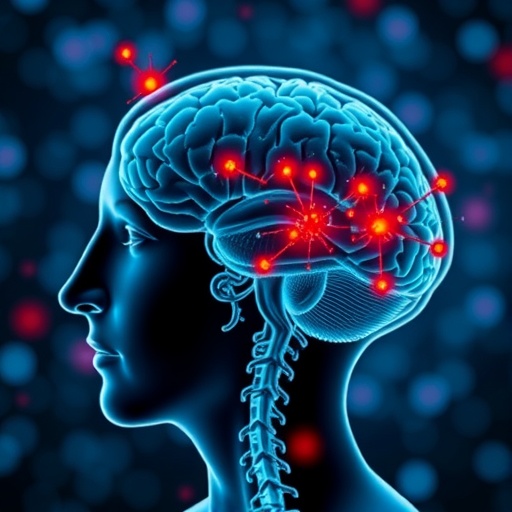
A new perspective article in npj Parkinson’s Disease (2026) explores how exposure to ionizing radiation could intersect with the biological processes implicated in Parkinson’s disease. While the mechanisms connecting these topics are complex, the authors synthesize current evidence on how radiation may influence the nervous system over time—particularly through pathways involving oxidative stress, inflammatory signaling, and cellular stress responses.
Ionizing radiation is known to generate reactive oxygen species, which can damage DNA, lipids, and proteins. In neurons and supporting glial cells, such molecular disruption may tip long-lived cellular systems toward chronic dysfunction. The paper highlights that the brain’s limited regenerative capacity could make even subtle, accumulated harm more consequential than in other tissues.
The article also discusses radiation’s ability to alter mitochondrial performance. Mitochondria are central to energy production and regulation of cell death, and their impairment can amplify oxidative stress. This feedback loop—mitochondrial strain driving further reactive oxygen species—may be relevant to Parkinsonian vulnerability, where dopaminergic neurons are particularly sensitive to metabolic and oxidative insults.
Beyond damage, ionizing radiation may reshape intercellular communication. The authors point to inflammation-related pathways as a potential bridge between radiation exposure and neurodegeneration. Microglia and other immune-like responses in the brain can shift toward a sustained activated state after injury, potentially increasing toxic signaling environments that harm nearby neurons.
A further emphasis is on DNA damage signaling and repair. Radiation can trigger double-strand breaks and activate stress pathways, including those governing apoptosis and senescence. If repair is imperfect, persistent genomic instability may accumulate, and long-term changes in cell fate regulation could follow.
The authors stress that risk is not uniform and depends on dose, timing, and individual factors such as genetics and baseline oxidative capacity. They also note that much of the field relies on indirect measures—cellular models, epidemiologic signals, and mechanistic inferences—making careful interpretation essential.
Crucially, the paper frames its conclusions as perspectives rather than definitive causation. Still, by mapping plausible mechanisms from radiation biology to neurodegenerative features, it provides a conceptual toolkit for future experimental work.
With viral science momentum, the study’s central message is clear: if ionizing radiation can modulate oxidative stress, mitochondrial function, inflammation, and DNA repair, then these same levers may also influence Parkinson’s disease trajectories—especially where exposures overlap with long-term neural resilience.
Subject of Research: Ionizing radiation and Parkinson’s disease; potential mechanistic links (oxidative stress, mitochondrial dysfunction, inflammation, DNA damage/repair).
Article Title: Perspectives on ionizing radiation and Parkinson’s disease
Article References: Miller, K.B., Ali, N., Beavers, M. et al. npj Parkinsons Dis. (2026). https://doi.org/10.1038/s41531-026-01486-6
Image Credits: AI Generated
Tags: brain tissue sensitivity to ionizing radiationcellular stress responses in Parkinson’s diseaseimpact of ionizing radiation on glial cellsionizing radiationlong-term effects of radiation on nervous systemmitochondrial dysfunction in neurodegenerationneurodegenerative pathways linked to radiation exposureoxidative stress and neuronal damageParkinson’s disease risk factorsradiation and dopaminergic neuron vulnerabilityradiation-induced neuroinflammationreactive oxygen species in brain health