• HOME
  • NEWS
  • EXPLORE
    • CAREER
      • Companies
      • Jobs
    • EVENTS
    • iGEM
      • News
      • Team
    • PHOTOS
    • VIDEO
    • WIKI
  • BLOG
  • COMMUNITY
    • FACEBOOK
    • INSTAGRAM
    • TWITTER
Monday, August 24, 2026
BIOENGINEER.ORG
No Result
View All Result
  • Login
  • HOME
  • NEWS
  • EXPLORE
    • CAREER
      • Companies
      • Jobs
        • Lecturer
        • PhD Studentship
        • Postdoc
        • Research Assistant
    • EVENTS
    • iGEM
      • News
      • Team
    • PHOTOS
    • VIDEO
    • WIKI
  • BLOG
  • COMMUNITY
    • FACEBOOK
    • INSTAGRAM
    • TWITTER
  • HOME
  • NEWS
  • EXPLORE
    • CAREER
      • Companies
      • Jobs
        • Lecturer
        • PhD Studentship
        • Postdoc
        • Research Assistant
    • EVENTS
    • iGEM
      • News
      • Team
    • PHOTOS
    • VIDEO
    • WIKI
  • BLOG
  • COMMUNITY
    • FACEBOOK
    • INSTAGRAM
    • TWITTER
No Result
View All Result
Bioengineer.org
No Result
View All Result
Home NEWS Science News Health

New insights into Fragile X syndrome and the fetal brain

Bioengineer by Bioengineer
December 16, 2020
in Health
Reading Time: 2 mins read
0
IMAGE
Share on FacebookShare on TwitterShare on LinkedinShare on RedditShare on Telegram

IMAGE

Credit: Tohoku University Graduate School of Medicine

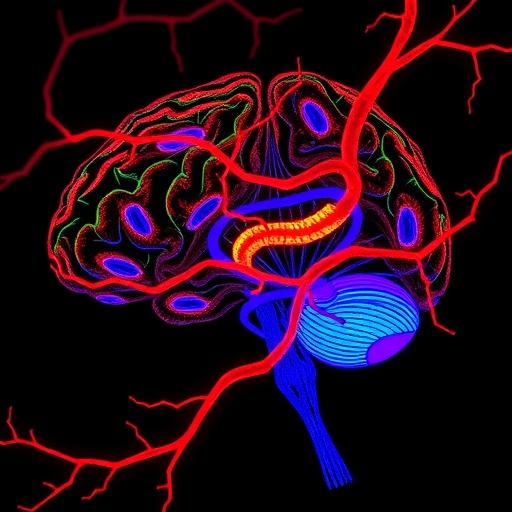
Researchers at Tohoku University have revealed further insight into the fetal development of our brain and the potential causes of Fragile X syndrome (FSX).

During brain development, the fetal period is vital in creating neurons from neural stem cells to build up a functional adult brain. Any impairment in the developmental program could result in severe defects in the brain.

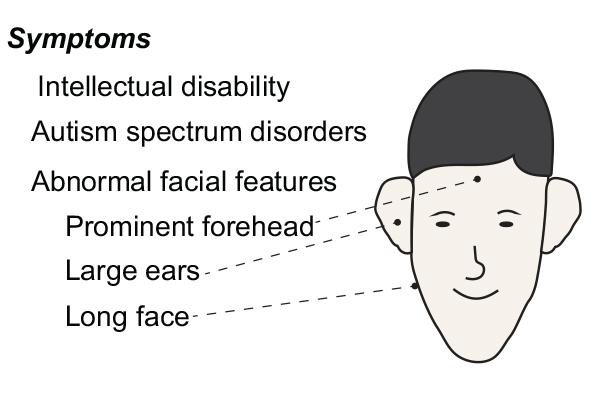
FSX is a genetic disorder characterized by intellectual disability and autistic symptoms. Children with FSX will generally suffer from developmental delays as well as social and behavioral problems.

FSX patients have a defect in the fragile X mental retardation 1 (FMR1) gene, a gene that codes for the fragile X mental retardation protein (FNRP)–the critical factor in normal brain development.

“Our study illustrated the possible molecular mechanism that causes FXS in the fetal brain and furthers our understanding of hereditary developmental disorders in the brain’s developmental stage,” said Noriko Osumi, professor at the Department of Developmental Neuroscience, Tohoku University Graduate School of Medicine.

Using next-generation sequencing, Osumi and her team identified hundreds of FMRP regulated molecules in mice fetal brains. These molecules were associated not only with neurogenesis but also autism and intellectual disability.

Their findings showed that specific groups of molecules were involved in the intracellular signaling pathways such as Ras/MAPK, Wnt/β-catenin, and mTOR.

The mTOR activity was significant in the fetal brain of FMR1 deficient mice, suggesting that increased mTOR activity may lead to abnormal proliferation and differentiation of neural stem cells in the fetal brain. Ultimately, these molecular mechanisms could be responsible for developing the brain during the fetal period and contribute to the causes of FXS.

The research team hopes this new information will serve as an essential resource for future studies of neurodevelopmental disorders.

###

Media Contact
Noriko Osumi
[email protected]

Original Source

https://www.tohoku.ac.jp/en/press/new_insights_fxs.html

Related Journal Article

http://dx.doi.org/10.1186/s13041-020-00706-1

Tags: Medicine/Healthneurobiology
Share13Tweet8Share2ShareShareShare2

Related Posts

3D Maps of Intact Ovaries Reveal How Ovarian Reserves Age

August 24, 2026

CD98hc Controls Brain Angiogenesis and Blood–Brain Barrier Integrity via Localized Integrin–FAK Signaling

August 24, 2026

How the Human Blood Proteome Changes Over Time With Ageing and Disease

August 24, 2026

Dan Landau named inaugural chair of Weill Cornell’s computational biomedicine department

August 24, 2026
Please login to join discussion

POPULAR NEWS

  • 3D Maps of Intact Ovaries Reveal How Ovarian Reserves Age

    29 shares
    Share 12 Tweet 7
  • TIM3-targeted venetoclax delivery overcomes resistance and restores NK cell activity in AML

    29 shares
    Share 12 Tweet 7
  • CD98hc Controls Brain Angiogenesis and Blood–Brain Barrier Integrity via Localized Integrin–FAK Signaling

    29 shares
    Share 12 Tweet 7
  • Catalysts Enable Asymmetric Carbonyl–Ene Reactions Between Unactivated Aldehydes and Alkenes

    29 shares
    Share 12 Tweet 7

About

We bring you the latest biotechnology news from best research centers and universities around the world. Check our website.

Follow us

Recent News

3D Maps of Intact Ovaries Reveal How Ovarian Reserves Age

TIM3-targeted venetoclax delivery overcomes resistance and restores NK cell activity in AML

CD98hc Controls Brain Angiogenesis and Blood–Brain Barrier Integrity via Localized Integrin–FAK Signaling

Subscribe to Blog via Email

Enter your email address to subscribe to this blog and receive notifications of new posts by email.

Join 85 other subscribers
  • Contact Us

Bioengineer.org © Copyright 2023 All Rights Reserved.

Welcome Back!

Login to your account below

Forgotten Password?

Retrieve your password

Please enter your username or email address to reset your password.

Log In
No Result
View All Result
  • Homepages
    • Home Page 1
    • Home Page 2
  • News
  • National
  • Business
  • Health
  • Lifestyle
  • Science

Bioengineer.org © Copyright 2023 All Rights Reserved.