• HOME
  • NEWS
  • EXPLORE
    • CAREER
      • Companies
      • Jobs
    • EVENTS
    • iGEM
      • News
      • Team
    • PHOTOS
    • VIDEO
    • WIKI
  • BLOG
  • COMMUNITY
    • FACEBOOK
    • INSTAGRAM
    • TWITTER
Monday, August 10, 2026
BIOENGINEER.ORG
No Result
View All Result
  • Login
  • HOME
  • NEWS
  • EXPLORE
    • CAREER
      • Companies
      • Jobs
        • Lecturer
        • PhD Studentship
        • Postdoc
        • Research Assistant
    • EVENTS
    • iGEM
      • News
      • Team
    • PHOTOS
    • VIDEO
    • WIKI
  • BLOG
  • COMMUNITY
    • FACEBOOK
    • INSTAGRAM
    • TWITTER
  • HOME
  • NEWS
  • EXPLORE
    • CAREER
      • Companies
      • Jobs
        • Lecturer
        • PhD Studentship
        • Postdoc
        • Research Assistant
    • EVENTS
    • iGEM
      • News
      • Team
    • PHOTOS
    • VIDEO
    • WIKI
  • BLOG
  • COMMUNITY
    • FACEBOOK
    • INSTAGRAM
    • TWITTER
No Result
View All Result
Bioengineer.org
No Result
View All Result
Home NEWS Science News Chemistry

New book examines human right to health, pushes for rating system for pharma companies

Bioengineer by Bioengineer
July 8, 2020
in Chemistry
Reading Time: 2 mins read
0
IMAGE
Share on FacebookShare on TwitterShare on LinkedinShare on RedditShare on Telegram

IMAGE

Credit: Oxford University Press

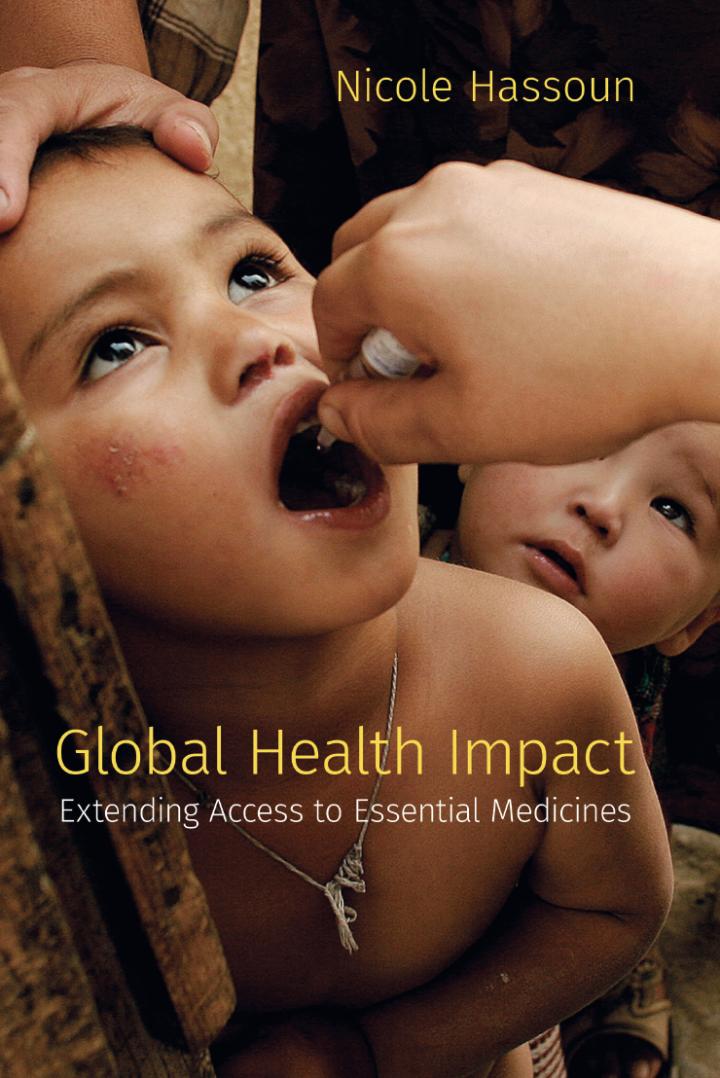
Every human being has the right to health and new initiatives should be put in place to encourage pharmaceutical companies to ensure that everyone has access to essential medicine, according to a new book from Nicole Hassoun, professor of philosophy at Binghamton University, State University of New York.

In her new book, Global Health Impact: Extending Access to Essential Medicines, Hassoun argues that people have a right to access essential medicines and proposes some new Global Health Impact labeling, investment and licensing strategies that encourage pharmaceutical companies to improve global health.

“The idea is to rate these companies based on their medicines’ impacts. Highly rated companies will get a Global Health Impact label to use on their products,” said Hassoun. “Socially responsible investment companies and universities might also take the ratings into account in making investment or licensing decisions.”

After arguing that people do have a right to access essential medicines, the book explores this proposal, its philosophical justification and its prospects for success.

Global Health Impact: Extending Access to Essential Medicines has three parts. The first part makes the case for a human right to health and to access essential medicines, in particular. It defends the argument against recent criticism of these proposed rights. The second part develops the Global Health Impact proposal. The final part makes the case for consuming things with Global Health Impact and similar ethical labels and considers what kind of empirical evidence supports the proposal.

“Many people in low-income countries cannot afford many life-saving medicines. Pharmaceutical companies focus their R&D efforts on the most lucrative products, like allergy medicines, that treat chronic conditions for affluent people; not medicines for the greatest global health problems that cripple, and end, millions of lives prematurely every year,” said Hassoun. “So there are no good vaccines against diseases like TB. Moreover, when existing drugs for these diseases become obsolete due to rising resistance rates (made worse by the fact that many poor people cannot afford first-line drugs), there are often no new, effective treatments available.”

Hassoun has been pushing to use data to promote global health through the Global Health Impact Index. The index looks at three things: the need for several important drugs for tuberculosis, HIV/AIDS, malaria and multiple neglected tropical diseases; the drugs’ effectiveness; and the number of people who can access these drugs. Each company’s score is the sum of its drugs’ impacts. It was first launched at the World Health Organization in Geneva in 2015. Like companies who are able to brand their products with a Fair Trade label, Hassoun hopes that a similar rating system for pharmaceutical companies will encourage these businesses to improve their practices and make their products more widely accessible.

The book, published by Oxford University Press, is available July 17.

###

Media Contact
John Brhel
[email protected]

Tags: AIDS/HIVDisease in the Developing WorldInfectious/Emerging DiseasesMedical/Scientific EthicsMedicine/HealthPharmaceutical SciencePhilosophy/ReligionPolicy/EthicsPublic HealthSocial/Behavioral Science
Share12Tweet8Share2ShareShareShare2

Related Posts

Pusan National University Team Develops 3D-Printed Switchable Soft Actuators

Pusan National University Team Develops 3D-Printed Switchable Soft Actuators

August 10, 2026
Marine microplastics retain concerning plastic-additive chemicals even after breaking apart

Marine microplastics retain concerning plastic-additive chemicals even after breaking apart

August 10, 2026

Hebrew University Congratulates Haim Sompolinsky on Receiving 2026 Dirac Medal

August 8, 2026

New brain model reveals how regional chemistry shapes large-scale neural activity

August 8, 2026
Please login to join discussion

POPULAR NEWS

  • Sovereignty, decarbonization, and energy costs influence public support for data centers

    29 shares
    Share 12 Tweet 7
  • AI-Designed Minibinders Target ERO1A–PDIA1 Redox Axis in Triple-Negative Breast Cancer

    29 shares
    Share 12 Tweet 7
  • Parkinson’s Disease Links Cholinergic Deficits to Hallucinations

    29 shares
    Share 12 Tweet 7
  • New Bypass Highway and Watercourse Restoration Shape Southern Damselfly Genetics and Recolonisation

    29 shares
    Share 12 Tweet 7

About

We bring you the latest biotechnology news from best research centers and universities around the world. Check our website.

Follow us

Recent News

Sovereignty, decarbonization, and energy costs influence public support for data centers

AI-Designed Minibinders Target ERO1A–PDIA1 Redox Axis in Triple-Negative Breast Cancer

Parkinson’s Disease Links Cholinergic Deficits to Hallucinations

Subscribe to Blog via Email

Enter your email address to subscribe to this blog and receive notifications of new posts by email.

Join 86 other subscribers
  • Contact Us

Bioengineer.org © Copyright 2023 All Rights Reserved.

Welcome Back!

Login to your account below

Forgotten Password?

Retrieve your password

Please enter your username or email address to reset your password.

Log In
No Result
View All Result
  • Homepages
    • Home Page 1
    • Home Page 2
  • News
  • National
  • Business
  • Health
  • Lifestyle
  • Science

Bioengineer.org © Copyright 2023 All Rights Reserved.