


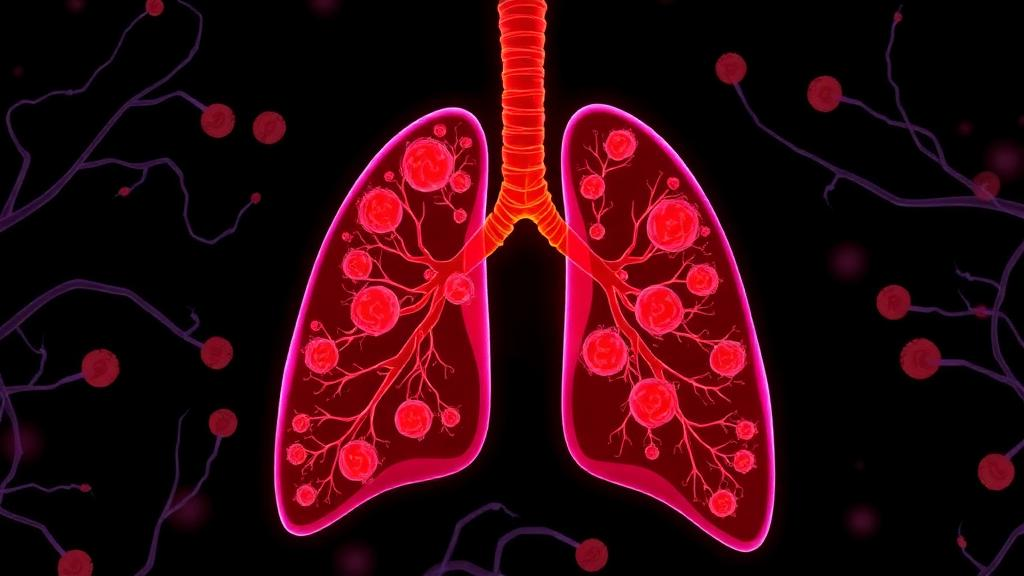
Neutrophils may play an active role in waking up dormant cancer cells in the lung, according to a review published in Biological Procedures Online on 12 August 2026. The article, authored by Jiajun Liu, Panpan Lei, Bin Luo, Minghua Li, Zujun Que and Jianhui Tian, is an open-access review that synthesizes recent evidence on how these immune cells contribute to metastatic recurrence, and it is currently shared as a peer-reviewed accepted version that may still be subject to further edits.
The lung is a frequent site of secondary metastasis for many cancers. The review attributes this not only to the organ’s extensive vasculature and lymphatic network but also to an immune microenvironment that is highly susceptible to inflammatory modulation by external insults such as smoking, aging, infection, or chemotherapy. Within this setting, the authors argue, neutrophils have been underestimated as drivers of tumor progression rather than passive bystanders.
According to the review, when neutrophils are activated by chronic inflammation and tumor-derived factors, they form structures known as neutrophil extracellular traps (NETs) and release a wide range of inflammatory mediators. These mediators remodel the extracellular matrix (ECM) and activate signaling pathways, which the authors describe as collectively disrupting the dormancy-maintaining niche that keeps disseminated tumor cells (DTCs) in a non-proliferative state. The disruption is proposed to trigger DTC proliferation, setting the stage for metastatic outgrowth.
The review also describes a cooperative dimension to this process. Neutrophils are reported to cooperate with immunosuppressive stromal and immune components to establish a permissive microenvironment that facilitates DTC immune evasion and reactivation. In other words, beyond directly stimulating dormant cells, the inflammatory surroundings they help create may shield reawakening tumor cells from immune surveillance.
On the basis of this synthesis, the authors propose redefining neutrophils as key “dormancy releasers” in tumor progression. This reframing positions the cells as a potential point of intervention: understanding the molecular and cellular mechanisms underlying neutrophil-induced dormancy escape is presented as offering novel therapeutic opportunities for preventing metastatic recurrence in the lung.
As a review article, the work aggregates and interprets findings from prior studies rather than presenting new experimental data, and its conclusions about mechanisms and targeting strategies reflect the state of the literature it surveys.
Subject of Research: The role of neutrophils in releasing dormancy of disseminated tumor cells in the lung
Article Title: Mechanisms and Targeting Strategies of Neutrophils Promoting the Release of Dormancy from Disseminated Tumor Cells in the Lung
Article References: Liu, J., Lei, P., Luo, B., Li, M., Que, Z., & Tian, J. (2026). Mechanisms and Targeting Strategies of Neutrophils Promoting the Release of Dormancy from Disseminated Tumor Cells in the Lung. Biological Procedures Online. https://doi.org/10.1186/s12575-026-00358-w
Image Credits: AI Generated
DOI: 10.1186/s12575-026-00358-w
Keywords: neutrophils, neutrophil extracellular traps, tumor dormancy, disseminated tumor cells, lung metastasis, inflammatory microenvironment, extracellular matrix remodeling, immune evasion, metastatic recurrence, cancer review, Mechanisms, Targeting
News Source: Nathaniel Bowman. (October 29, 2026). Neutrophils May Act as Dormancy Releasers for Lung Metastasis, Review Finds. Scienmag.



