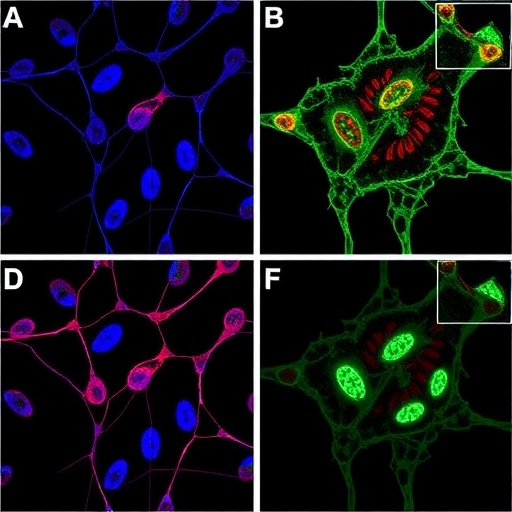
Recent research has shed light on the complex interactions within the tumor immune microenvironment (TIME), particularly the role of neutrophils in cancer progression. Neutrophils, which are essential components of the innate immune system, have been observed to engage in a process known as NETosis. This process results in the release of neutrophil extracellular traps (NETs), which are intricate webs of DNA mixed with proteins that play a critical role in cancer biology. The significance of NETs extends beyond mere defense mechanisms; they are now recognized as facilitators of tumor growth, metastasis, and immune evasion, creating an immunosuppressive landscape conducive to cancer progression.
One of the most striking aspects of NETs is their ability to foster a pre-metastatic niche in regional lymph nodes even before the manifestation of visible metastasis. By enhancing local immunosuppressive conditions, NETs significantly alter the microenvironment, paving the way for tumor cells to disseminate and establish secondary tumors. This mechanism underscores a paradigm shift in understanding cancer metastasis. Rather than simply viewing metastasis as a result of direct cellular invasion, the formation of NETs introduces a more intricate layer of immune interaction that aids tumor survival and expansion.
The impact of anticancer therapies on NET formation adds further complexity to the dynamics of the tumor immune microenvironment. Treatments such as immune checkpoint inhibitors, chemotherapy, and radiation therapy, although designed to attack malignant cells, have been found to inadvertently induce the formation of NETs. This unexpected consequence can enhance cancer invasion, migration, and ultimately lead to metastasis and recurrence of the disease. Consequently, the very therapies aimed at eradicating cancer cells may be fostering environments that paradoxically support tumorigenesis.
Understanding the dual role of NETs in cancer—both as potential therapeutic obstacles and targets—highlights an urgent need for precision medicine approaches. By monitoring the levels of NETs in both the blood and tumor microenvironment, clinicians can gain critical insights into patient prognosis and response to treatment. These measurements may serve as valuable biomarkers, guiding the selection of appropriate therapeutic strategies targeting NETs, neutrophils, or the processes underpinning NETosis. This duality presents a challenging yet fascinating opportunity for advancing personalized cancer treatment.
The integration of NET testing into clinical practice requires a thorough assessment of patient staging alongside treatment factors. Such information will be paramount in designing robust clinical trials aimed at validating the efficacy of NET-targeted therapies. As the understanding of NET biology continues to evolve, it becomes increasingly clear that addressing NETs in the context of a patient’s particular cancer type and treatment history could transform therapeutic interventions and patient outcomes.
Recent studies have illuminated the functional attributes of NETs, revealing their multi-faceted role in immune modulation. NETs can trap and immobilize cancer cells, yet they can also shield these malignant entities from immune detection, promoting a stealthy mode of survival. Furthermore, chemicals released from NETs can foster an inflammatory environment, enhancing tumor vascularization and recruitment of additional immune cells that may either support or hinder cancer growth, depending on their states of activation.
The exploration of NETs extends into the realm of genetic studies, where researchers are investigating the molecular pathways implicated in NET formation and regulation. Initial findings suggest a network of signaling pathways that govern NETosis, offering potential therapeutic targets that could inhibit this process and reinstate a more favorable immune environment for combating cancer.
Clinical implications of NET research are profound, suggesting that therapies designed to inhibit NET formation may not only enhance the efficacy of existing treatments but also reduce the potential for tumor recurrence. The quest for pharmacological agents that can effectively target and dismantle NETs stands at the forefront of translational cancer research.
In the coming years, clinical trials focusing on NETs and NET-directed therapies will likely proliferate, shedding light on the intricacies of their role in cancer biology. The anticipation surrounding these studies is palpable, as their outcomes may redefine standards of care for numerous oncology patients, particularly those exhibiting high NET burdens.
As the field progresses, the collaborative efforts between immunologists, oncologists, and molecular biologists will be essential. By fostering interdisciplinary partnerships, researchers aim to elucidate the exact roles of NETs in various cancer types and identify patients who might benefit the most from NET-targeted interventions.
In conclusion, the emerging field of NET research offers a compelling glimpse into the evolving landscape of cancer therapy. The understanding of how neutrophils, through NETosis, shape the tumor immune microenvironment will be pivotal in enhancing cancer treatments. The intersection of innate immunity and oncology continues to enrich our understanding of disease mechanisms, driving the quest for innovative therapeutic strategies to improve patient outcomes.
With the pressing need for actionable insights into the efficacy of NET-targeted therapies, researchers must remain vigilant, adapting approaches as new data emerges and maintaining a patient-centric focus. As discoveries unfold, the promise of improved cancer prognostics and therapeutics draws ever nearer.
The journey toward fully understanding the role of NETs in cancer is far from over, but what is clear is that these elusive structures are key players in the intricate dance of tumor progression and immune evasion. Future research efforts will illuminate pathways to harness this knowledge, aiming to transform challenges posed by NETs into actionable cancer treatments.
Subject of Research: Neutrophil extracellular traps in cancer.
Article Title: Neutrophil extracellular traps in cancer.
Article References:
Shahzad, M.H., Rayes, R.F., Cools-Lartigue, J. et al. Neutrophil extracellular traps in cancer.
Nat Rev Cancer 26, 104–117 (2026). https://doi.org/10.1038/s41568-025-00888-7
Image Credits: AI Generated
DOI: https://doi.org/10.1038/s41568-025-00888-7
Keywords: NETosis, tumor immune microenvironment, neutrophils, cancer progression, metastasis, immunosuppression, therapeutic strategies, clinical trials.
Tags: cancer biology and immune evasioncancer metastasis mechanismsenhancing immunosuppressive conditions in tumorsimmunosuppressive effects of NETsNETosis and cancer progressionNETs and anticancer therapy effectsNeutrophil extracellular traps in cancerneutrophils role in tumor growthpre-metastatic niche formationrole of innate immune system in cancertherapeutic implications of NETstumor immune microenvironment interactions