• HOME
  • NEWS
  • EXPLORE
    • CAREER
      • Companies
      • Jobs
    • EVENTS
    • iGEM
      • News
      • Team
    • PHOTOS
    • VIDEO
    • WIKI
  • BLOG
  • COMMUNITY
    • FACEBOOK
    • INSTAGRAM
    • TWITTER
Friday, July 3, 2026
BIOENGINEER.ORG
No Result
View All Result
  • Login
  • HOME
  • NEWS
  • EXPLORE
    • CAREER
      • Companies
      • Jobs
        • Lecturer
        • PhD Studentship
        • Postdoc
        • Research Assistant
    • EVENTS
    • iGEM
      • News
      • Team
    • PHOTOS
    • VIDEO
    • WIKI
  • BLOG
  • COMMUNITY
    • FACEBOOK
    • INSTAGRAM
    • TWITTER
  • HOME
  • NEWS
  • EXPLORE
    • CAREER
      • Companies
      • Jobs
        • Lecturer
        • PhD Studentship
        • Postdoc
        • Research Assistant
    • EVENTS
    • iGEM
      • News
      • Team
    • PHOTOS
    • VIDEO
    • WIKI
  • BLOG
  • COMMUNITY
    • FACEBOOK
    • INSTAGRAM
    • TWITTER
No Result
View All Result
Bioengineer.org
No Result
View All Result
Home NEWS Science News Biology

Movers and stayers: Surviving a range shift due to climate change

Bioengineer by Bioengineer
June 24, 2020
in Biology
Reading Time: 2 mins read
0
IMAGE
Share on FacebookShare on TwitterShare on LinkedinShare on RedditShare on Telegram

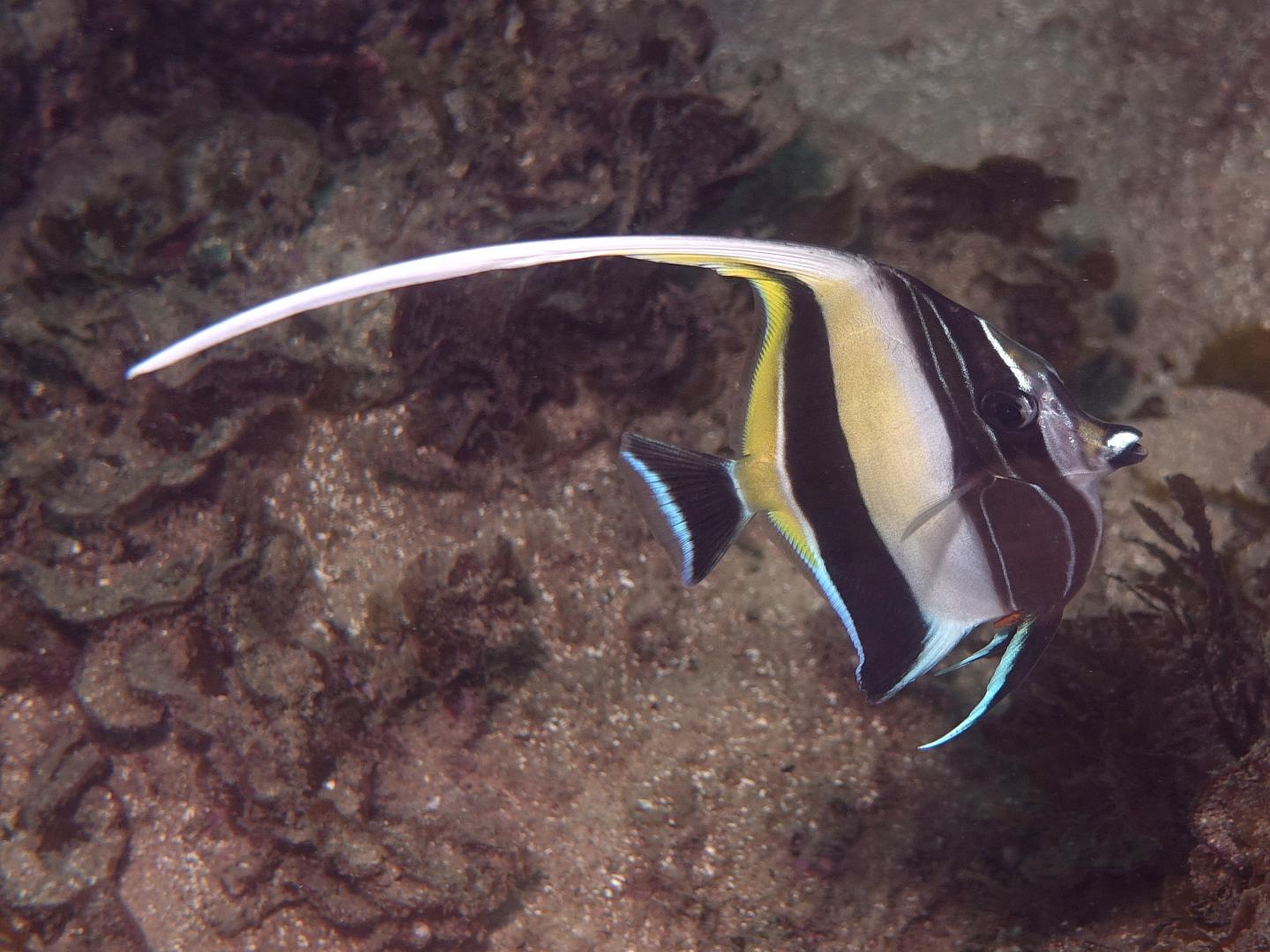
A new study shows a broad diet helps tropical fish survive a range shift due to climate change
IMAGE

Credit: Jack Hannan

The global redistribution of marine and terrestrial species due to climate change is a major concern for conservation planners and resource managers. Now, new research using data from long term surveys of tropical fishes indicates that traditional studies of this range shift phenomenon largely ignore the sequential nature of species movement.

The study, published in Global Change Biology shows that what makes a species a successful “arriver” doesn’t necessarily make you a successful “stayer”.

The paper is part of an Australian Research Council-funded study, led by Prof Ivan Nagelkerken from the University of Adelaide.

“Typically ecologists use life-history traits to predict which species have the highest probability of moving due to new environmental conditions. This can include traits such as large body size, broad latitudinal range, long dispersal duration,” Professor Nagelkerken said.

“However our analyses of tropical fishes at the poleward edge of their distribution in Australia, shows that these traits predisposing larval fishes to extend their range southwards did not drive the early stages of redistribution.

“Instead, a broad diet was the main contributor to the establishment success during early stages,” he said

Professor Nagelkerken said that generalist species generally fare better than specialists when “their environment is suffering from human impacts”.

“We now show that being a generalist with a broad diet is also favourable when species escape warming environments and relocate to cooler areas”.

Professor of Marine Biology, and Chief Investigator on the project, David Booth, from The University of Technology Sydney, said “The study makes great use of the 18 year survey dataset we have on invading tropical fishes, and involved an ongoing collaboration with four academic institutions and a number of graduate students, both local and International.”

“If we don’t also consider the traits that make these same species capable of establishing and persisting, we’re more likely to make erroneous predictions and be surprised by what future fish communities might look like,” Professor Booth said.

The authors conclude the results highlight that generalist species best able to adapt to novel food sources might be most successful in a future ocean.

###

Media Contact
Marea Martlew
[email protected]

Related Journal Article

http://dx.doi.org/10.1111/gcb.15221

Tags: BiologyClimate ChangeEcology/EnvironmentMarine/Freshwater BiologyOceanography
Share12Tweet8Share2ShareShareShare2

Related Posts

Evolution-Inspired Biosensors Revolutionize Lipid Tracking in Real Time — Biology

Evolution-Inspired Biosensors Revolutionize Lipid Tracking in Real Time

July 2, 2026
New Study Reveals How to Reduce Risk of Dangerous Wildlife Encounters This Summer — Biology

New Study Reveals How to Reduce Risk of Dangerous Wildlife Encounters This Summer

July 2, 2026

Hepatic IFRD1 Alleviates Metabolic Dysfunction-Linked Steatohepatitis Through the GLUD1/α-KG Pathway

July 2, 2026

Intricate Food Webs Support Ecosystem Health and Stability

July 2, 2026
Please login to join discussion

POPULAR NEWS

  • Detection of EDCs in Breast Milk and Infant Urine Up to Six Months Highlights Early Exposure Risks

    77 shares
    Share 31 Tweet 19
  • Saying Goodbye to PGY-6: Pediatric Fellowship Realities

    103 shares
    Share 41 Tweet 26
  • New Drug Candidate Developed at McMaster Shows Potential for Treating Brain Cancer

    58 shares
    Share 23 Tweet 15
  • KTU Researchers Explore Ultrasound’s Role in Enhancing Blood Flow Beyond Diagnostics

    53 shares
    Share 21 Tweet 13

About

BIOENGINEER.ORG

We bring you the latest biotechnology news from best research centers and universities around the world. Check our website.

Follow us

Recent News

Steatosis Drives Liver Metastasis Diversity in CRC

Unlocking the Mysteries of Alzheimer’s Disease

Pensoft Introduces New Peer-Reviewed Journal of Regeneration to Advance Restorative Biology Across Species

Subscribe to Blog via Email

Enter your email address to subscribe to this blog and receive notifications of new posts by email.

Join 83 other subscribers
  • Contact Us

Bioengineer.org © Copyright 2023 All Rights Reserved.

Welcome Back!

Login to your account below

Forgotten Password?

Retrieve your password

Please enter your username or email address to reset your password.

Log In
No Result
View All Result
  • Homepages
    • Home Page 1
    • Home Page 2
  • News
  • National
  • Business
  • Health
  • Lifestyle
  • Science

Bioengineer.org © Copyright 2023 All Rights Reserved.