• HOME
  • NEWS
  • EXPLORE
    • CAREER
      • Companies
      • Jobs
    • EVENTS
    • iGEM
      • News
      • Team
    • PHOTOS
    • VIDEO
    • WIKI
  • BLOG
  • COMMUNITY
    • FACEBOOK
    • INSTAGRAM
    • TWITTER
Thursday, September 24, 2026
BIOENGINEER.ORG
No Result
View All Result
  • Login
  • HOME
  • NEWS
  • EXPLORE
    • CAREER
      • Companies
      • Jobs
        • Lecturer
        • PhD Studentship
        • Postdoc
        • Research Assistant
    • EVENTS
    • iGEM
      • News
      • Team
    • PHOTOS
    • VIDEO
    • WIKI
  • BLOG
  • COMMUNITY
    • FACEBOOK
    • INSTAGRAM
    • TWITTER
  • HOME
  • NEWS
  • EXPLORE
    • CAREER
      • Companies
      • Jobs
        • Lecturer
        • PhD Studentship
        • Postdoc
        • Research Assistant
    • EVENTS
    • iGEM
      • News
      • Team
    • PHOTOS
    • VIDEO
    • WIKI
  • BLOG
  • COMMUNITY
    • FACEBOOK
    • INSTAGRAM
    • TWITTER
No Result
View All Result
Bioengineer.org
No Result
View All Result
Home NEWS Science News Health

More children could mean higher risk of heart disease

Bioengineer by Bioengineer
March 26, 2019
in Health
Reading Time: 2 mins read
0
Share on FacebookShare on TwitterShare on LinkedinShare on RedditShare on Telegram

University of Hawaii researchers look at data from nearly 25,000 participants in a national health survey

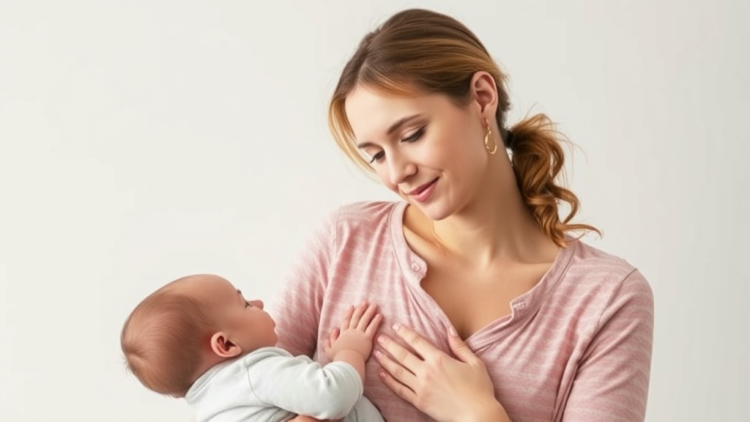
Parents who have five or more children may face a higher risk of heart disease than those who have only one or two keiki, according to new findings by public health researchers in the Myron B. Thompson School of Social Work at the University of Hawaii at Manoa.

Researchers led by Sara Hipp, a recent graduate of the Office of Public Health Studies program, looked at data from nearly 25,000 participants ages 50 and older who took part in a national health survey. The findings were published in the Journal of Aging and Health.

“Many studies have linked women’s reproductive characteristics, such as their age at their first childbirth, with their risk of heart disease later in life,” Hipp said. “But there wasn’t much known about the association between family size and heart disease, and very few studies have looked at how fatherhood may relate to men’s risk of heart disease.”

Hipp and her co-authors found that 30 percent of the parents who said they had five or more children had a heart condition, such as coronary heart disease, angina or congestive heart failure. Just 22 percent of those who had only one or two children, and 21 percent of those who had no children, said they had been diagnosed with a heart condition.

Among all the respondents, about one quarter said they’d been told by a doctor within the past two years that they had heart disease.

“Our data showed that, in both sexes, having more children was associated with a greater risk of heart disease,” Hipp said. The link remained even when the researchers adjusted for other characteristics that can affect people’s risk of heart disease, such as age, race/ethnicity and birthplace.

In women, the association persisted even after researchers adjusted for lifestyle variables, such as whether they smoked or exercised at least twice a week.

“This work is important because it presents sophisticated analyses in a very large sample that not only replicates findings from a number of smaller studies, it also expands this body of work to look at the relationship between parenthood and heart disease in men,” said Yan Yan Wu, assistant professor of biostatistics in public health.

###

In addition to Hipp and Wu, co-authors included UH public health researchers Nicole Rosendaal and Catherine Pirkle.

Media Contact
Theresa Kreif
[email protected]

Related Journal Article

https://www.hawaii.edu/news/2019/03/25/public-health-heart-disease/
http://dx.doi.org/10.1177/0898264319831512

Tags: CardiologyDeath/DyingFertilityMedicine/HealthMortality/LongevityParenting/Child Care/FamilyPublic Health
Share12Tweet8Share2ShareShareShare2

Related Posts

Swedish Birth Cohort Turns Its Lens on Mothers to Trace Breast Cancer’s Environmental Roots

September 24, 2026

New Risk Model Predicts Kidney Disease Years Before It Strikes People With Prediabetes

September 24, 2026

Hand-Sewn Suture Technique Achieves Coupler-Level Vessel Results in Head and Neck Rebuilds

September 24, 2026

Stigma in the Clinic Strongly Predicts HIV Treatment Interruption in Kenya

September 24, 2026
Please login to join discussion

POPULAR NEWS

  • Staphylococcal Protein Reprograms Liver Tumor Macrophages to Boost Immunotherapy

    29 shares
    Share 12 Tweet 7
  • Hidden Microbes Inside Mung Bean Show Striking Stress Tolerance and Fungal-Fighting Power

    29 shares
    Share 12 Tweet 7
  • Noisy Gates Put Gate Teleportation to the Test

    29 shares
    Share 12 Tweet 7
  • Prenatal BPA Exposure Rewires the Cerebellum Differently in Male and Female Rat Offspring

    29 shares
    Share 12 Tweet 7

About

BIOENGINEER.ORG

We bring you the latest biotechnology news from best research centers and universities around the world. Check our website.

Follow us

Recent News

Staphylococcal Protein Reprograms Liver Tumor Macrophages to Boost Immunotherapy

Hidden Microbes Inside Mung Bean Show Striking Stress Tolerance and Fungal-Fighting Power

Noisy Gates Put Gate Teleportation to the Test

Subscribe to Blog via Email

Enter your email address to subscribe to this blog and receive notifications of new posts by email.

Join 85 other subscribers
  • Contact Us

Bioengineer.org © Copyright 2023 All Rights Reserved.

Welcome Back!

Login to your account below

Forgotten Password?

Retrieve your password

Please enter your username or email address to reset your password.

Log In
No Result
View All Result
  • Homepages
    • Home Page 1
    • Home Page 2
  • News
  • National
  • Business
  • Health
  • Lifestyle
  • Science

Bioengineer.org © Copyright 2023 All Rights Reserved.