Uterine sarcomas represent an uncommon and remarkably heterogeneous group of mesenchymal malignancies that arise directly from the smooth muscle of the myometrium or the specialized stromal cells of the endometrium, accounting for an estimated three to seven percent of all diagnosed uterine cancers. Within the United States, these aggressive neoplasms correspond to approximately three thousand to six thousand new clinical diagnoses annually, posing persistent diagnostic and therapeutic difficulties across gynecologic oncology. Historically, clinical management protocols for uterine sarcomas were largely generalized and directly extrapolated from therapeutic frameworks originally developed for general soft tissue sarcomas. However, contemporary oncology is witnessing a marked paradigm shift toward histology-directed and genomically guided management, driven by improved molecular characterization, comprehensive genomic sequencing, and dedicated clinical trials conducted over the past decade. These malignant neoplasms continue to present substantial clinical challenges, evidenced by an overall five-year survival rate of forty to fifty percent, which represents the lowest survival outcome documented among all uterine malignancies.
Epidemiological analyses utilizing large registry data, including the Surveillance, Epidemiology, and End Results database, demonstrate that uterine sarcomas most commonly manifest among perimenopausal and postmenopausal women, with the median age at diagnosis falling between the early fifties and sixties depending on the underlying histological subtype. Notably, population-level evidence indicates pronounced demographic disparities, with incidence rates documented as approximately twice as high in Black women compared to white patients. Survival outcomes are also significantly worse among older patients, Black women, and individuals presenting with advanced-stage malignancies at initial evaluation. While the vast majority of uterine sarcomas arise sporadically without identifiable environmental or hereditary factors, several specific associations have been established in the medical literature. Prior therapeutic pelvic radiation is an established clinical risk factor, characterized by long reported latency periods spanning between three and thirty years post-exposure. Prolonged exposure to tamoxifen is similarly linked to an elevated risk of developing uterine sarcoma, particularly uterine leiomyosarcoma and carcinosarcoma, though absolute incidence remains low. Extended use of combined estrogen-progestin menopausal hormone therapy for five or more years has also demonstrated an association with increased sarcoma risk, primarily leiomyosarcomas and endometrial stromal sarcomas, whereas shorter durations of use show no significant elevation in risk. Furthermore, rare hereditary cancer syndromes, including Li-Fraumeni syndrome and neurofibromatosis type 1, predispose individuals to an increased risk of soft-tissue sarcomas, including uterine leiomyosarcoma.
Pathologically and molecularly, uterine sarcomas are organized into four primary histologic categories, each characterized by distinct morphological features, recurrent genomic alterations, and divergent clinical trajectories: uterine leiomyosarcoma, low-grade endometrial stromal sarcoma, high-grade endometrial stromal sarcoma, undifferentiated uterine sarcoma, and adenosarcoma. Conversely, uterine carcinosarcoma molecularly behaves as a high-grade serous-like endometrial carcinoma undergoing epithelial-mesenchymal transition driven sarcomatous differentiation, with recurrent mutations in genes including TP53, PIK3CA, PTEN, FBXW7, and ARID1A, and is consequently not classified as a true uterine sarcoma. Among actual sarcomas, uterine leiomyosarcoma represents the most prevalent subtype, constituting approximately sixty to seventy percent of all diagnosed cases. These aggressive myometrial smooth-muscle neoplasms are marked by profound genomic instability and complex karyotypes, harboring frequent loss-of-function alterations in critical tumor suppressor genes, particularly TP53 mutations occurring in fifty-six percent, RB1 loss in fifty-one percent, ATRX mutations in thirty-one percent, along with PTEN alterations and MED12 mutations. Clinically, uterine leiomyosarcomas exhibit early hematogenous dissemination, primarily to pulmonary and hepatic tissues, with post-resection recurrence rates exceeding fifty to seventy percent even when disease is entirely organ-confined at the time of primary surgical resection.
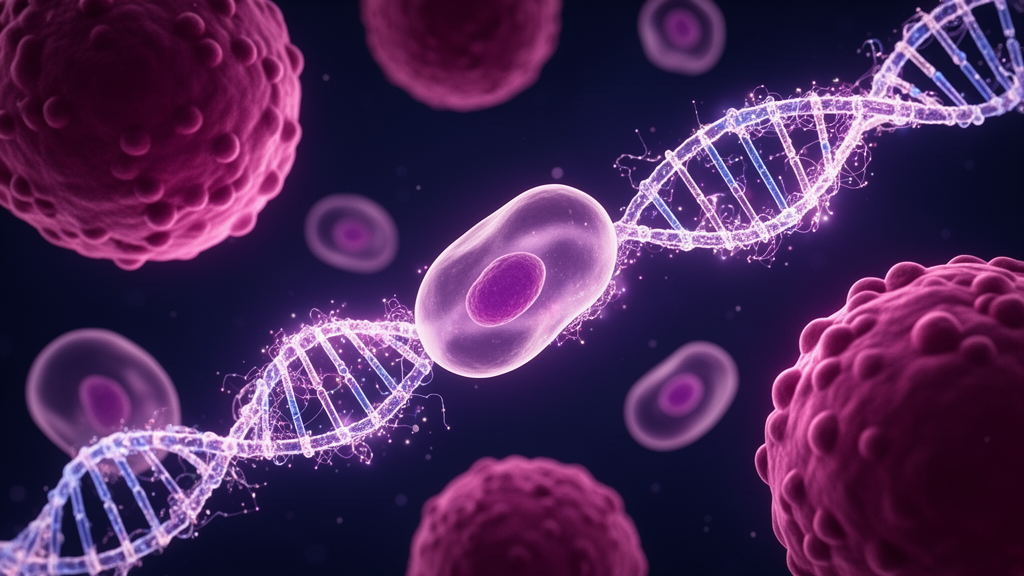
In stark contrast to the chromosomal instability seen in leiomyosarcoma, low-grade endometrial stromal sarcomas present as biologically indolent, fusion-driven neoplasms characterized by a relatively simple genome and pronounced hormonal receptor expression, with estrogen receptor and progesterone receptor positivity exceeding eighty percent. The hallmark pathogenic mechanism in low-grade stromal sarcoma involves recurrent chromosomal translocations, most frequently the JAZF1-SUZ12 gene fusion, as well as alternative fusions involving JAZF1-PHF1, EPC1-PHF1, MEAF6-PHF1, and MBTD1-EZHIP, which collectively alter polycomb repressive complex 2 epigenetic regulation and dysregulate Wnt signaling. Because of their indolent phenotype and endocrine dependence, patients with low-grade endometrial stromal sarcoma achieve high five-year survival rates around ninety percent, frequently experiencing prolonged survival and meaningful responses to systemic hormonal interventions even after distant metastatic dissemination. Conversely, high-grade endometrial stromal sarcomas harbor distinct oncogenic gene fusions, predominantly YWHAE-NUTM2 rearrangements as well as BCOR-associated alterations such as ZC3H7B-BCOR fusions and BCOR internal tandem duplications, activating cell-cycle pathways and causing severe transcriptional dysregulation. These high-grade tumors follow an aggressive clinical course marked by elevated mitotic activity, resulting in a substantially reduced five-year survival rate of approximately thirty-two percent.
The remaining primary subtypes reflect contrasting extremes of biological behavior and morphological complexity. Undifferentiated uterine sarcomas constitute the most aggressive category, defined by marked cellular atypia, rampant mitotic activity, and rapid clinical progression in the absence of specific defining molecular signatures or identifiable differentiation. Characterized by complex genomes exhibiting extensive copy number alterations, chromosomal instability, and recurrent TP53 and RB1 mutations, undifferentiated uterine sarcomas frequently present at advanced stages, yielding a dismal five-year overall survival rate of approximately fifteen percent and a median overall survival under two years in metastatic presentations. In comparison, uterine adenosarcomas are biphasic mixed tumors containing benign epithelial glands embedded within a malignant mesenchymal stroma, typically exhibiting low malignant potential and favorable five-year survival rates exceeding seventy to eighty percent in low-stage presentations. However, when these tumors undergo sarcomatous overgrowth, the mesenchymal component displays high Ki-67 cellular proliferation, recurrent TP53 mutations, and MDM2 and CDK4 amplifications, conferring an aggressive clinical phenotype characterized by elevated recurrence and accelerated metastatic dissemination, whereas adenosarcoma lacking sarcomatous overgrowth maintains a comparatively quiet and largely silent genomic profile.
Preoperative differentiation between benign uterine leiomyomas and malignant sarcomas represents an enduring and formidable diagnostic challenge, as a considerable proportion of sarcomas are discovered incidentally following surgical interventions planned for presumed benign uterine fibroids. Because mechanical morcellation during laparoscopic myomectomy or hysterectomy carries substantial risks of inadvertently disseminating malignant tissue throughout the peritoneal cavity, expert consensus strongly cautions against uncontained morcellation, recommending en-bloc uterine excision or contained extraction bags. In instances where an occult sarcoma is identified within morcellated tissue specimens, surgical re-exploration for abdominal washings and staging is recommended, although definitive survival advantages associated with completion surgery remain unproven. To mitigate these diagnostic uncertainties, radiological assessments utilizing pelvic magnetic resonance imaging with diffusion-weighted imaging and apparent diffusion coefficient mapping currently offer the highest sensitivity, identifying suspicious characteristics such as rapid enlargement, nodular or irregular margins, intermediate-to-high T2 signal intensity, heterogeneous contrast enhancement, absence of calcification, and marked restricted diffusion. Although 18F-FDG PET/CT lacks specificity due to metabolic overlap with degenerating benign fibroids, integrating diffusion-weighted magnetic resonance imaging with preoperative serum lactate dehydrogenase measurements into multivariable algorithms has significantly enhanced the clinical ability to distinguish sarcomas from benign leiomyomas preoperatively.
Pathologic differentiation requires addressing two distinct clinical hurdles: first distinguishing malignant mesenchymal tumors from benign mimics such as atypical leiomyomas, and second subclassifying established malignancies into precise histologic categories. While distinguishing benign from malignant lesions requires an integrated histopathologic assessment of mitotic index, geographic tumor necrosis, and cytological atypia rather than immunohistochemistry alone, immunohistochemical staining proves indispensable for subtype discrimination. Specifically, smooth muscle markers such as desmin and h-caldesmon substantiate a diagnosis of uterine leiomyosarcoma, while CD10 positivity favors endometrial stromal sarcoma. Furthermore, the application of targeted next-generation sequencing in advanced disease refines challenging histological classifications and identifies actionable genomic alterations in approximately forty-five percent of evaluated patients. Subtype-specific sequencing identifies DNA repair and cell-cycle deficiencies in uterine leiomyosarcomas, including homozygous BRCA2 deletions in roughly five percent of cases, whereas multi-omic platforms combining microRNA profiling, serum lactate dehydrogenase measurements, and endoscopic biopsy analyses are increasingly guiding precision oncology strategies.
Surgical intervention remains the absolute cornerstone of curative management for localized uterine sarcomas of all subtypes, though specific procedural nuances depend upon disease histology and preoperative suspicion. When sarcoma is suspected prior to intervention, standard management entails a total hysterectomy without morcellation, accompanied by peritoneal washings and thorough abdominopelvic exploration. Management of the adnexa depends fundamentally on histology and endocrine receptor biology. In premenopausal patients diagnosed with uterine leiomyosarcoma, bilateral oophorectomy is not routinely mandated, as retrospective evidence indicates that ovarian preservation does not compromise overall survival, although opportunistic bilateral salpingectomy is recommended for ovarian cancer risk reduction. In stark contrast, bilateral salpingectomy and oophorectomy is strictly indicated in low-grade endometrial stromal sarcoma, where estrogen-receptor expression is ubiquitous and ovarian conservation precipitates a markedly heightened risk of disease recurrence. Routine lymphadenectomy is not recommended for uterine leiomyosarcoma due to low nodal dissemination rates of three to six percent and an absence of survival benefit; however, formal lymph node dissection is indicated for high-grade endometrial stromal sarcoma, where nodal involvement reaches ten to forty-four percent, as well as in uterine carcinosarcoma, where nodal spread occurs in twenty-two to thirty-two percent of patients.
In the adjuvant setting, pelvic radiation therapy provides demonstrable regional control, reducing local recurrence from forty-seven percent to twenty-four percent in clinical trial assessments, but it fails to confer an overall survival benefit in uterine leiomyosarcoma and high-grade stromal sarcoma due to the overwhelming predominance of distant hematogenous dissemination. Consequently, adjuvant radiotherapy is generally restricted to patients presenting with positive surgical margins, isolated local recurrences, or oligometastatic deposits amenable to stereotactic body radiation. Similarly, adjuvant cytotoxic chemotherapy remains controversial in early-stage uterine leiomyosarcoma following the premature closure of prospective randomized trials such as GOG 277, though systemic therapy is considered for high-risk features such as high mitotic index, tumor morcellation, or tumor dimensions exceeding five centimeters. For high-grade endometrial stromal sarcoma, subset analyses from the EORTC 62931 trial have supported the utilization of anthracycline and ifosfamide regimens, while early-stage low-grade endometrial stromal sarcoma is managed preferentially with hormonal interventions rather than cytotoxic chemotherapy, given durable disease control achieved with progestin therapy or aromatase inhibitors.
For patients with advanced, metastatic, or recurrent disease, systemic therapy has undergone notable expansion beyond historical doxorubicin monotherapy. The randomized LMS-04 Phase III trial definitively established doxorubicin combined with trabectedin as the first-line standard for metastatic leiomyosarcoma, almost doubling median progression-free survival to 12.2 months compared to 6.2 months with single-agent doxorubicin, while concurrently extending overall survival from 24 to 33 months. For subsequent lines of therapy, active cytotoxic options include gemcitabine plus docetaxel, which produces overall response rates between twenty-five and fifty percent, as well as eribulin, which demonstrates an overall survival extension compared to dacarbazine. Concurrently, targeted therapeutic agents have expanded therapeutic options: pazopanib, an oral multi-targeted tyrosine kinase inhibitor, demonstrated improved progression-free survival of 4.6 months versus 1.6 months for placebo in the phase III PALETTE trial, while cabozantinib combined with temozolomide achieved a three-month progression-free survival rate of seventy-four percent and a median progression-free survival of 6.3 months in a phase II trial. Precision medicine approaches have further demonstrated that patients harboring pathogenic BRCA2 alterations achieve marked clinical benefit from PARP inhibitors, showing overall response rates of forty-six percent and clinical benefit rates of sixty-two percent. Immune checkpoint inhibitors have shown limited efficacy as monotherapy due to immunologically cold tumor microenvironments and PTEN loss, yielding response rates of zero percent in trials like SARC028, though rare biomarker-selected patients with high microsatellite instability or high tumor mutational burden achieve durable responses. Structured post-treatment surveillance incorporating cross-sectional chest and abdominopelvic imaging remains vital for monitoring high-risk recurrence patterns, with emerging longitudinal circulating tumor DNA assays demonstrating significant potential for identifying microscopic residual disease and predicting clinical progression prior to radiographic detection.
Subject of Research: Clinical management, histological subtypes, and molecular landscapes of uterine sarcomas
Article Title: Advances in uterine sarcoma management: A mini-review of clinical practice and molecular insights
Article References: Lee, G. M., Reyes-Baez, F., & Dholakia, J. (2026). Advances in uterine sarcoma management: A mini-review of clinical practice and molecular insights. Gynecologic Oncology Reports, 67, Article 102217. https://doi.org/10.1016/j.gore.2026.102217
Image Credits: AI Generated
DOI: 10.1016/j.gore.2026.102217
Keywords: uterine sarcoma, uterine leiomyosarcoma, low-grade endometrial stromal sarcoma, high-grade endometrial stromal sarcoma, undifferentiated uterine sarcoma, adenosarcoma, molecular profiling, doxorubicin, trabectedin, pazopanib, PARP inhibitors, BRCA2 alterations, endocrine therapy, circulating tumor DNA, gynecologic oncology, cancer genomics, targeted therapy
News Source: Nathaniel Bowman. (November 24, 2026). Molecular Profiling Reshapes Uterine Sarcoma Classification and Subtype Specific Clinical Management. Scienmag.