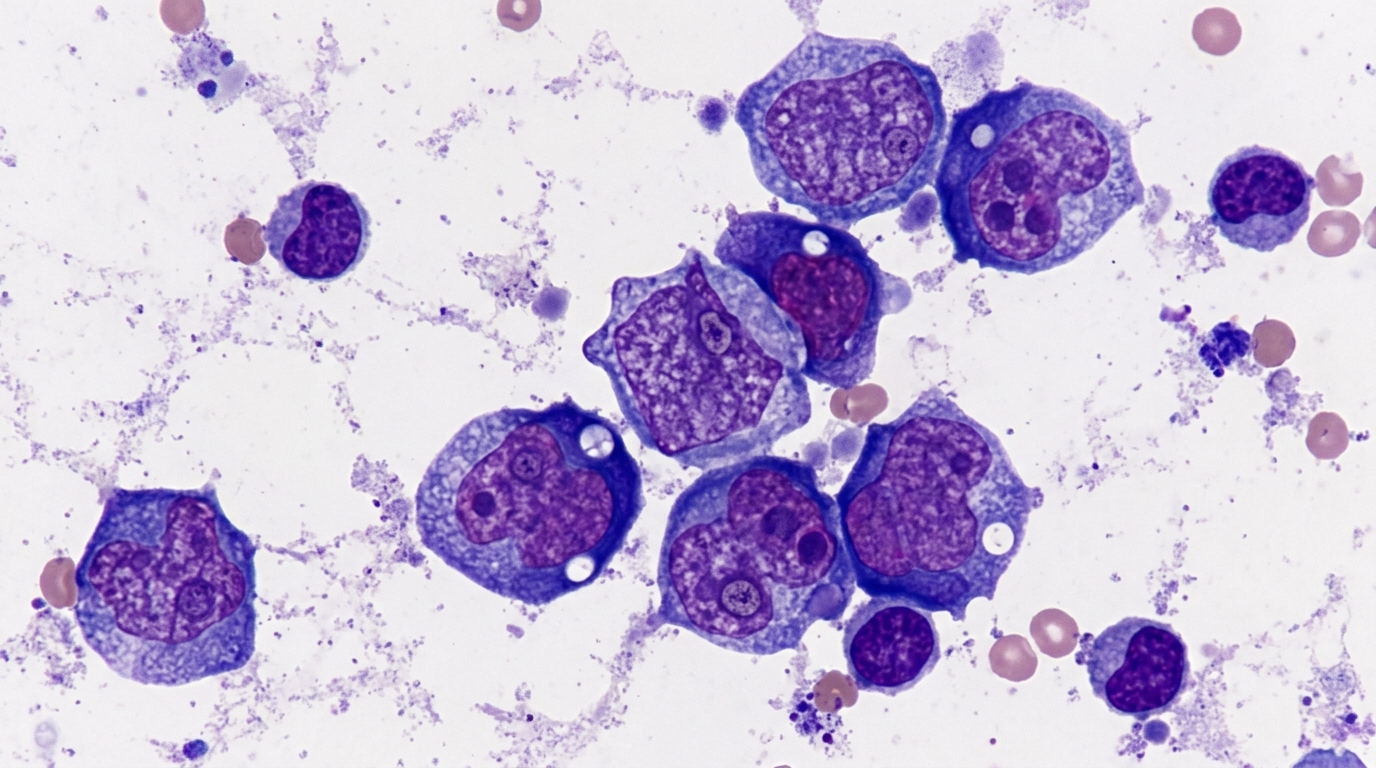
Primary central nervous system lymphoma (PCNSL) is a rare and aggressive form of extranodal non-Hodgkin’s lymphoma that predominantly impacts the brain, meninges, eyes, and spinal cord. Characterized by a high burden of disease and often poor survival outcomes, PCNSL presents significant clinical challenges, particularly for frail patients who struggle with the toxicities of standard high-dose methotrexate-based induction therapies. Recent progress in understanding the molecular pathobiology of PCNSL has enabled a transition from traditional morphological classification toward a more integrated, multi-modal diagnostic approach. This new framework incorporates sophisticated liquid biopsy techniques, including circulating tumor DNA (ctDNA) analysis and cytokine profiling, alongside high-throughput molecular sequencing, offering a pathway toward more precise therapeutic selection and improved patient management.
The molecular landscape of PCNSL is largely dominated by diffuse large B-cell lymphomas (DLBCL), frequently exhibiting cell-of-origin signatures corresponding to the activated B-cell (ABC) subtype. Genomic analysis has identified frequent mutations within B-cell receptor and toll-like receptor signaling pathways, specifically involving MYD88 and CD79B, which drive the activity of nuclear factor kappa-b and JAK-STAT pathways. Additional alterations affecting cell cycle regulation, such as CDKN2A deletions, and immune evasion strategies, including copy number gains in 9p24.1 that increase PD-L1/PD-L2 expression, are common. While these mutations suggest a reliance on specific oncogenic pathways, the biological heterogeneity of PCNSL requires a more refined classification system that can account for the diversity of molecular subgroups, each with potentially distinct clinical and therapeutic implications.
Clinical diagnosis has traditionally relied on histopathological confirmation via stereotactic brain biopsy, a procedure that, while standardized, can be technically challenging and carries risks of hemorrhage or non-diagnostic yields, especially for deep-seated intracranial tumors. Furthermore, biopsy samples capture only a limited spatial representation of the tumor, failing to account for its inherent molecular heterogeneity. To overcome these constraints, research is increasingly focusing on minimally-invasive liquid biopsies. The incorporation of targeted cerebrospinal fluid (CSF) genotyping has demonstrated potential to accelerate diagnostic timelines. Ultrasensitive tumor-informed sequencing, such as the Cancer Personalized Profiling by Deep Sequencing (CAPP-Seq), enables the detection of ctDNA in both plasma and CSF, which may enhance prognostic accuracy and provide a method for tracking measurable residual disease during treatment.
Beyond standard genomic markers, other emerging technologies aim to characterize the complex tumor immune architecture and epigenetic landscape of PCNSL. Transcriptomic studies have identified immune-rich subtypes characterized by CD8+ T-cell infiltration, which correlate with improved clinical outcomes. Meanwhile, single-cell RNA sequencing and spatial imaging have shed light on the immunosuppressive microenvironment of PCNSL, revealing distinct exhaustion signatures in infiltrating T-cells and the presence of aggressive plasmablast-like tumor populations. Epigenetic profiling through DNA methylation analysis serves as another layer of diagnostic fingerprinting; PCNSL cases exhibit distinct methylation patterns compared to other brain tumors, which may eventually lead to more accurate classification systems.
Therapeutic strategies have evolved to integrate targeted small-molecule inhibitors and novel immunotherapeutics. Bruton tyrosine kinase (BTK) inhibitors, which target the BCR signaling pathway, are showing promising results in both the relapsed/refractory and first-line settings, particularly for patients unfit for intensive consolidation therapy. Combination regimens involving BTK inhibitors with immune checkpoint inhibitors have achieved high objective response rates, although the durability of these responses requires validation in larger randomized trials. Furthermore, the development of CNS-penetrant BTK degraders, such as NX-5948, represents a strategic attempt to circumvent acquired resistance mutations, showing improved survival in preclinical models of refractory PCNSL compared to earlier inhibitors.
Immunotherapy, specifically chimeric antigen receptor (CAR) T-cell therapy, has fundamentally altered the management of various lymphomas and is showing efficacy in CNS-involved disease. Despite initial concerns regarding neurotoxicity, such as the Immune Effector Cell-Associated Neurotoxicity Syndrome (ICANS) or the distinct tumor inflammation-associated neurotoxicity (TIAN), multiple real-world studies support the viability of CAR-T cell products in PCNSL. Pilot studies have reported high response rates, leading to recent regulatory updates that remove specific limitations on axicabtagene ciloleucel use in this indication. Meanwhile, bispecific T-cell engagers (BITEs), such as glofitamab, are emerging as attractive off-the-shelf options, demonstrating sufficient CSF penetration and activity in heavily pretreated patient cohorts.
While these therapeutic advances are significant, the lack of precise predictive biomarkers remains a limitation for optimizing patient selection. Ongoing studies are investigating the role of multi-omic profiling to better forecast responses and minimize toxicities. The integration of genomic, proteomic, and epigenetic data—aided by artificial intelligence and machine learning—is poised to refine future diagnostic pathways. Although tissue biopsy remains the gold standard, the future of PCNSL diagnosis is likely to be characterized by a shift toward these minimally-invasive, multi-modal molecular platforms, which could facilitate more accurate classification and truly personalized therapeutic regimens.
Despite the promise of these integrated approaches, several hurdles persist, including the need for large-scale cohort validation and the optimization of technological infrastructure to ensure reproducibility and cost-effectiveness. As diagnostic frameworks move toward standardized molecular definitions, the challenge remains to balance these high-tech interventions with the practical realities of clinical workflow. The ultimate goal is the development of a comprehensive diagnostic strategy that combines clinical and radiological data with highly sensitive liquid- and tissue-based molecular insights, ensuring that patients receive timely, accurate diagnoses and access to the most effective therapeutic strategies tailored to their specific biological disease subtype.
While high-dose methotrexate forms the induction backbone, dosing remains critical, with regimens utilizing less than 3 g/m² yielding inferior progression-free and overall survival compared to higher doses. The randomized phase 2 IELSG32 trial demonstrated that adding rituximab and thiotepa to methotrexate and cytarabine substantially improved complete remission rates from 23% to 49% and lifted seven-year overall survival from 21% to 56%. In post-induction consolidation, comparative trials between autologous stem cell transplantation and whole-brain radiotherapy have delineated critical trade-offs between disease control and treatment toxicity. In the PRECIS trial, autologous transplantation conferred an eight-year event-free survival advantage of 67% over 39% for whole-brain radiation, though overall survival remained comparable due to salvage transplantation. Similarly, long-term follow-up from IELSG32 revealed matched seven-year survival rates between both modalities, but whole-brain radiotherapy caused markedly higher persistent neurotoxicity affecting balance and attention. Furthermore, the randomized IELSG43 trial confirmed the consolidative superiority of autologous stem cell transplantation over non-myeloablative chemotherapy with R-DeVIC in responsive patients.
Clinical investigations evaluating targeted small molecules alongside chemotherapy have expanded beyond salvage regimens into initial disease management. In the LOC-R01 study, incorporating either the immunomodulatory agent lenalidomide or the kinase inhibitor ibrutinib into induction therapy yielded complete response rates of 86% and 82%, respectively, with comparable 18-month survival outcomes. Combining small-molecule inhibitors has also shown potent early efficacy; adding the exportin inhibitor selinexor and the kinase inhibitor zanubrutinib to high-dose methotrexate produced a complete response rate of 95.2% and a one-year progression-free survival rate of 94.1% in newly diagnosed patients. Immune checkpoint inhibitors have similarly shown activity when paired with frontline regimens. Evaluating the PD-1 inhibitor sintilimab alongside chemotherapy generated an overall response rate of 96.3% and a two-year overall survival rate of 91.5%, with baseline cerebrospinal fluid cytokine measurements, specifically elevated interleukin-10 levels, correlating with inferior progression-free survival. In older individuals ineligible for autologous transplantation, consolidation with the checkpoint inhibitor nivolumab following induction chemotherapy yielded a complete response rate of 79% and a two-year survival rate of 79%, highlighting an alternative path that circumvents whole-brain radiation neurotoxicity.
Pathobiological heterogeneity is further underscored by immunodeficiency-associated presentations, which arise in individuals receiving iatrogenic immunosuppression or living with human immunodeficiency virus. Within this subset, Epstein-Barr virus positivity represents a clinically distinct entity linked to significantly poorer performance status and survival outcomes. Genomic and transcriptomic characterization demonstrates that Epstein-Barr virus-positive tumors rarely harbor the hallmark MYD88, CD79B, or PIM1 mutations common in immunocompetent presentations, while retaining human leukocyte antigen expression and CDKN2A loci. Instead, these viral-associated neoplasms frequently display alterations within JAK/STAT and NOTCH pathways alongside reduced global promoter methylation and enriched interleukin-10 expression. Moreover, single-cell and spatial profiling in broader cohorts has identified malignant cellular programs that drive disease aggression, such as plasmablast-like signatures marked by XBP1, MZB1, and loss of MS4A1, as well as immunosuppressive barriers organized by FKBP5-expressing tumor subsets.
Diagnostic precision is advancing through quantified multi-marker assays designed to evaluate cerebrospinal fluid and circulating biofluids. In the prospective PAMINA study, combining circulating tumor DNA testing for MYD88 mutations with interleukin-10 protein quantification achieved 94% diagnostic sensitivity and 98% specificity for newly diagnosed lymphoma, improving upon individual single-analyte limits. Digital polymerase chain reaction assays targeting the MYD88 L265P mutation in cellular cerebrospinal fluid have similarly demonstrated 92.2% sensitivity with complete specificity. Beyond diagnostic confirmation, quantitative tracking of circulating tumor DNA has proven valuable for monitoring residual disease during induction therapy; prospective evaluation in patients treated with orelabrutinib, rituximab, and methotrexate confirmed that molecular clearance of circulating tumor DNA in cerebrospinal fluid strongly correlated with superior remission rates and longer survival. Complementing genomic detection, plasma exosomal microRNA panels, incorporating markers such as miR-148a-3p and miR-345-5p, have successfully differentiated lymphoma from glioblastoma, while elevated baseline concentrations of cerebrospinal fluid exosomal proteins and specific microRNAs predict abbreviated progression-free intervals and early post-remission recurrence.
Subject of Research: Clinical advances and molecular diagnostic approaches in primary central nervous system lymphoma
Article Title: Advances in molecular pathobiology of PCNSL – towards clinical implementation of novel diagnostics and therapeutics
Article References: Law, Y. C., & Chan, J. Y. (2026). Advances in molecular pathobiology of PCNSL – towards clinical implementation of novel diagnostics and therapeutics. Biomarker Research, 14(1), Article 129. https://doi.org/10.1186/s40364-026-01008-9
Image Credits: AI Generated
DOI: 10.1186/s40364-026-01008-9
Keywords: PCNSL, Liquid Biopsy, ctDNA, Molecular Classification, BTK Inhibitors, CAR-T Cell Therapy, Immune Checkpoint Inhibitors, Neuro-oncology, Epigenetic Profiling, Tumor Microenvironment, Precision Medicine, CSF Genotyping, Diffuse Large B-Cell Lymphoma, Translational Research, Diagnostic Innovation
News Source: Nathaniel Bowman. (November 17, 2026). Molecular Profiling and Liquid Biopsies Advance Primary CNS Lymphoma Diagnostics. Scienmag.