• HOME
  • NEWS
  • EXPLORE
    • CAREER
      • Companies
      • Jobs
    • EVENTS
    • iGEM
      • News
      • Team
    • PHOTOS
    • VIDEO
    • WIKI
  • BLOG
  • COMMUNITY
    • FACEBOOK
    • INSTAGRAM
    • TWITTER
Wednesday, October 28, 2026
BIOENGINEER.ORG
No Result
View All Result
  • Login
  • HOME
  • NEWS
  • EXPLORE
    • CAREER
      • Companies
      • Jobs
        • Lecturer
        • PhD Studentship
        • Postdoc
        • Research Assistant
    • EVENTS
    • iGEM
      • News
      • Team
    • PHOTOS
    • VIDEO
    • WIKI
  • BLOG
  • COMMUNITY
    • FACEBOOK
    • INSTAGRAM
    • TWITTER
No Result
View All Result
Bioengineer.org
No Result
View All Result
Home NEWS Science News Health

Mitochondrial transfer emerges as a potential neurotherapeutic strategy for CNS disorders

by
October 28, 2026
in Health
Reading Time: 2 mins read
0
Mitochondrial transfer emerges as a potential neurotherapeutic strategy for CNS disorders

Mitochondrial transfer emerges as a potential neurotherapeutic strategy for CNS disorders

Share on FacebookShare on TwitterShare on LinkedinShare on RedditShare on Telegram

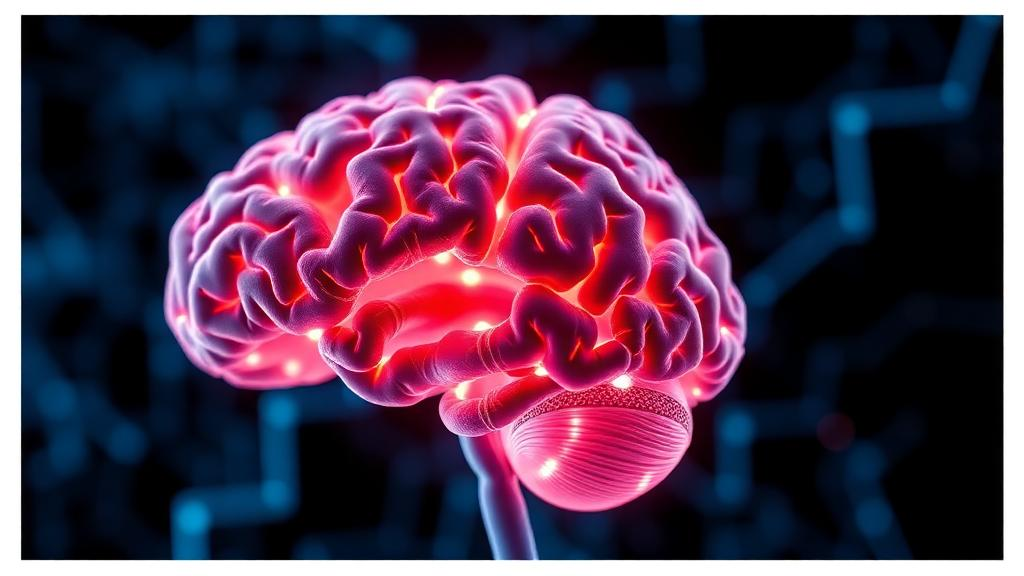
Scientists are taking a closer look at one of the more surprising forms of cellular communication: mitochondria, the energy-producing compartments of cells, can move between cells. A new review published in Fluids and Barriers of the CNS examines how this intercellular mitochondrial transfer, along with direct mitochondrial transplantation, is being explored as a potential therapeutic strategy for injuries and diseases of the central nervous system.

The authors focus on what triggers mitochondrial transfer, the direction it takes, the routes it follows and the forms of the cargo itself.

According to the authors, intact, respiration-competent mitochondria are thought to restore metabolism, reduce oxidative stress and limit neuroinflammation in damaged nervous tissue. Damaged or fragmented cargo, by contrast, is non-functional and may instead act as a pro-inflammatory danger signal, potentially worsening injury rather than repairing it. This distinction between healthy and degraded cargo is central to the review’s framework.

Progress now depends less on proving whether mitochondrial transfer occurs than on clarifying how it occurs and how reliably and reproducibly it confers benefit. They highlight two methodological issues that underlie current interpretations of proposed neuroprotective mechanisms: susceptibility to dye-labeling artifacts and the scarcity of functional validation. Without rigorous functional testing of transferred mitochondria, the true significance of many reported observations remains uncertain.

Beyond the basic biology, the review surveys progress in preclinical research on mitochondrial transplantation and the few clinical studies conducted to date. The authors compare how donor sources are selected, which delivery routes are used, how doses are estimated and what bioengineering strategies are being developed. Safety considerations receive particular attention, with the aim of informing future clinical translation.

The publisher notes that this version is subject to further edits and will be replaced automatically by the final Version of Record.

Intercellular mitochondrial transfer is increasingly recognized as a form of cellular communication relevant to central nervous system injury, and the review summarizes progress in preclinical research on mitochondrial transplantation and the few clinical studies to date.

Subject of Research: Mitochondrial transfer and transplantation as potential neurotherapeutic strategies for central nervous system disorders

Article Title: Mitochondrial transfer and transplantation as emerging neurotherapeutic strategies for central nervous system disorders

Article References: Li, J., Zhang, M., Li, S., & Qu, Y. (2026). Mitochondrial transfer and transplantation as emerging neurotherapeutic strategies for central nervous system disorders. Fluids and Barriers of the CNS. https://doi.org/10.1186/s12987-026-00887-2

Image Credits: AI Generated

DOI: 10.1186/s12987-026-00887-2

Keywords: mitochondrial transfer, mitochondrial transplantation, central nervous system, neurovascular unit, neuroinflammation, transmitophagy, dye-labeling artifacts, functional validation, donor-source selection, delivery routes, bioengineering, clinical translation

News Source: Ophelia Keating. (October 28, 2026). Mitochondrial transfer emerges as a potential neurotherapeutic strategy for CNS disorders. Scienmag.

Tags: Bioengineeringcentral nervous systemClinical Translationdelivery routesdonor-source selectiondye-labeling artifactsfunctional validationMitochondrial transfermitochondrial transplantationNeuroinflammationNeurovascular unittransmitophagy
Share12Tweet7Share2ShareShareShare1

Related Posts

Meningococcal Carriage Rises Sharply Among New Boarding Martial Arts Students

Meningococcal Carriage Rises Sharply Among New Boarding Martial Arts Students

October 28, 2026
Real-World Data Suggest Acoramidis Outperforms Tafamidis in Heart Amyloidosis

Real-World Data Suggest Acoramidis Outperforms Tafamidis in Heart Amyloidosis

October 28, 2026

Fibroid Surgery Study Finds Similar Pregnancy Outcomes for Open and Minimally Invasive Myomectomy

October 28, 2026

Novel IDUA variant confirmed in MPS I as embryo screening yields healthy child

October 28, 2026

POPULAR NEWS

  • Blood sedimentation rate predicts death risk in dogs with chronic kidney disease

    Blood sedimentation rate predicts death risk in dogs with chronic kidney disease

    29 shares
    Share 12 Tweet 7
  • Poor Preoperative Nutrition Linked to Higher Complications and Lower Survival After Hip Replacement

    29 shares
    Share 12 Tweet 7
  • New DARPA-funded project aims to cut AI energy use by up to half

    29 shares
    Share 12 Tweet 7
  • Antarctic Pond Bacterium Survives Calcium Levels Once Thought Fatal to Life

    29 shares
    Share 12 Tweet 7

About

We bring you the latest biotechnology news from best research centers and universities around the world. Check our website.

Follow us

Recent News

Meningococcal Carriage Rises Sharply Among New Boarding Martial Arts Students

New Algorithm Tracks Patterns That Grow Stronger in Evolving Spatial Data

Real-World Data Suggest Acoramidis Outperforms Tafamidis in Heart Amyloidosis

Subscribe to Blog via Email

Enter your email address to subscribe to this blog and receive notifications of new posts by email.

Join 85 other subscribers
  • Contact Us

Bioengineer.org © Copyright 2023 All Rights Reserved.

Welcome Back!

Login to your account below

Forgotten Password?

Retrieve your password

Please enter your username or email address to reset your password.

Log In
No Result
View All Result
  • Homepages
    • Home Page 1
    • Home Page 2
  • News
  • National
  • Business
  • Health
  • Lifestyle
  • Science

Bioengineer.org © Copyright 2023 All Rights Reserved.