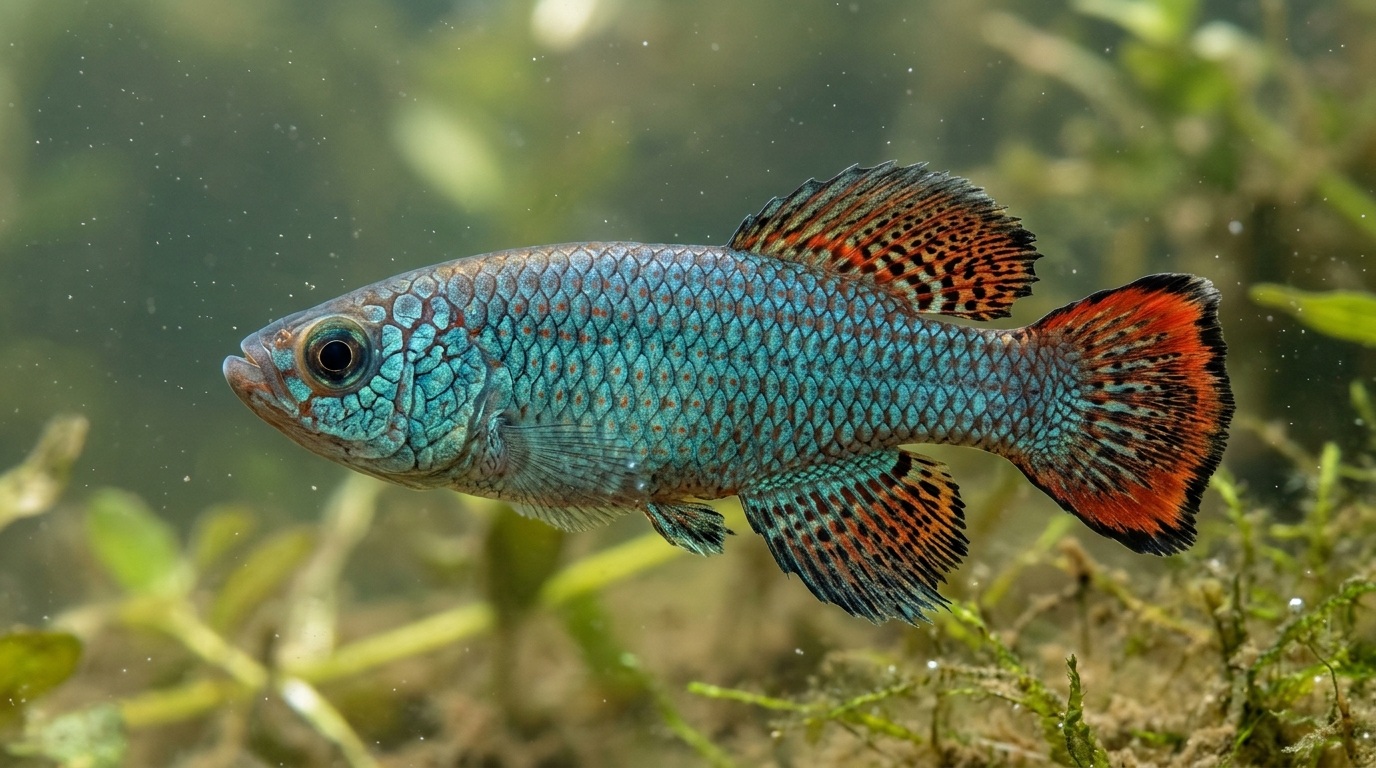
Advanced brain age in the short-lived fish model Nothobranchius furzeri leads to alterations in mitochondrial protein import components at both the gene and protein levels without triggering a clear activation of the mitochondrial unfolded protein response. Proteomics data from untreated animals provide initial evidence that age-associated alterations in the components of the mitochondrial import machinery take place during vertebrate brain aging in a natural model of neurodegeneration.
Mitochondrial protein import pathways are essential cellular mechanisms responsible for importing more than one thousand nuclear-encoded proteins into mitochondria. Under normal circumstances, impairment of these import pathways activates the mitochondrial unfolded protein response, designated as UPRmt. This specialized stress pathway acts to alleviate mitochondrial proteostasis stress by increasing the transcription of protective mitochondrial proteases and chaperones within the cell.
Although impaired protein import has previously been linked to several neurodegenerative diseases in transgenic models and post-mortem brain samples, scientific understanding of how this process is impacted in a natural age-related model of neurodegeneration has remained very limited. To characterize age-associated changes in mitochondrial protein import machinery, researchers compared young and aged Nothobranchius furzeri, an established short-lived vertebrate model whose brain trajectory resembles that of humans affected with neurodegenerative diseases.
Because the comparison between young and aged animals indicated that advanced brain age caused changes in protein import components without an accompanying UPRmt reaction, the study investigated the impact of age on the stress response by exposing fish to two distinct chemical inhibitors of mitochondrial protein import. The researchers first tested early-life exposure using the inhibitor MitoBloCK-6 to evaluate whether disrupting the import process during early development would provoke long-lasting consequences.
The experimental results demonstrated that while early-life administration of MitoBloCK-6 reduced the survival of Nothobranchius furzeri larvae, it did not lead to long-term changes in gene expression levels. Furthermore, the early-life treatment produced only mild effects on protein levels later in the lives of the fish. These observations indicated that even when early survival was compromised by the compound, persistent transcriptional remodeling of the mitochondrial protein import system failed to develop.
To examine the consequences of protein import disruption at maturity, the team performed an acute exposure to the inhibitor MitoBloCK-10 during adulthood. Proteomics data obtained following this adult treatment did not reveal any measurable effect resulting from the inhibitor exposure. Consequently, the research demonstrates that while natural brain aging in untreated Nothobranchius furzeri brings about declines in components of the mitochondrial import machinery, these alterations occur without a clear activation of the mitochondrial unfolded protein response.
Subject of Research: Mitochondrial protein import components and unfolded protein response during brain aging in Nothobranchius furzeri
Article Title: An age-related decline in levels of mitochondrial protein import components without clear activation of mitochondrial unfolded protein response in the brain of Nothobranchius furzeri
Article References: Savel, O., Raboisson, M., Dieu, M., Lopez-Aguado, C., Ndjamkeu, A., Vandenbroeck, D., Renard, P., & Page, M. M. (2027). An age-related decline in levels of mitochondrial protein import components without clear activation of mitochondrial unfolded protein response in the brain of Nothobranchius furzeri. Biogerontology, 28(1), Article 4. https://doi.org/10.1007/s10522-026-10554-6
Image Credits: AI Generated
DOI: 10.1007/s10522-026-10554-6
Keywords: Nothobranchius furzeri, mitochondrial protein import, mitochondrial unfolded protein response, UPRmt, brain aging, neurodegeneration, proteostasis, mitochondrial proteases, mitochondrial chaperones, MitoBloCK-6, MitoBloCK-10, larvae survival, proteomics, nuclear-encoded proteins, vertebrate aging model, gene expression, protein import inhibitors
News Source: Cassandra Pierce. (November 28, 2026). Mitochondrial Import Components Decline in Aging Nothobranchius furzeri Brain Without Clear UPRmt. Scienmag.