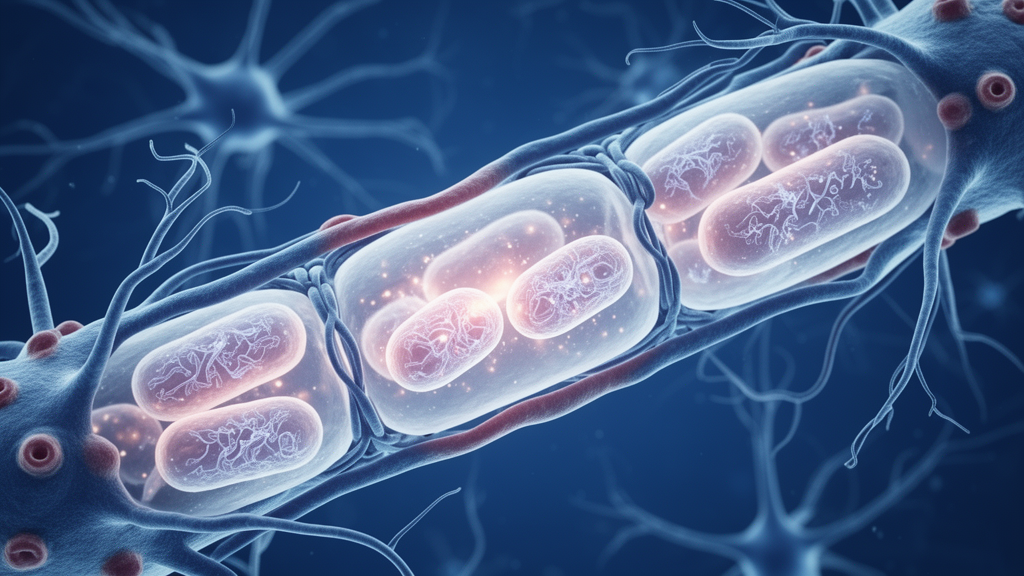
A review published in Fluids and Barriers of the CNS examines the mechanistic connection between mitochondrial dysfunction and the breakdown of the blood-brain barrier. The authors argue that the high metabolic demands of maintaining barrier integrity make this system uniquely vulnerable to bioenergetic failure. This review critically evaluates how specific mitochondrial abnormalities contribute to aberrant barrier phenotypes in the central nervous system.
The blood-brain barrier functions as a highly selective regulatory system that governs molecular transport between the systemic circulation and the central nervous system. Maintaining this strict permeability relies on continuous, high-energy interactions within the neurovascular unit. These interactions are primarily fueled by mitochondria, which provide the necessary energy for the system to operate effectively. The review highlights that the maintenance of barrier integrity imposes an immense metabolic burden on these cellular components.
Because of this heavy metabolic load, the neurovascular unit is described as being uniquely susceptible to bioenergetic failure. The review details evidence suggesting that mitochondrial dynamics within multiple cell populations govern the stability of the barrier. These populations include brain microvascular endothelial cells, pericytes, astrocytes, and microglia.
The review specifically examines how mitochondrial reactive oxygen species contribute to barrier dysfunction. It also explores the role of aberrant fission and fusion cycles in this process. Additionally, the authors discuss how impaired quality control mechanisms precipitate the disassembly of tight junctions.
Furthermore, the article explores the emerging paradigm of “mitoceuticals,” a class of therapeutics engineered to correct bioenergetic deficits. These agents target specific molecular mechanisms, such as mitoNEET stability and mitochondrial dynamics. By addressing these underlying issues, the review suggests that these therapeutics offer a strategic opportunity to preserve neurovascular unit function. The potential of these agents is evaluated as a way to reinforce the bioenergetic infrastructure of the unit.
The authors conclude that targeting these mechanisms represents a vital, yet under-explored, avenue for treating various disorders. The review identifies ischemic and neurodegenerative disorders as key areas where this approach could be applicable. By therapeutically reinforcing the bioenergetic infrastructure, there is potential to improve outcomes in these conditions.
This work is presented as a review that synthesizes existing evidence on the link between mitochondrial health and barrier integrity.
Subject of Research: Mitochondrial dysfunction and blood-brain barrier integrity
Article Title: Mitochondria and blood-brain barrier dysfunction: a promising target for cerebrovascular disorders
Article References: Cicala, D., Geldenhuys, W. J., Carerra, E., Maghareh, M., S. M. Roknuzzaman, A., Sarker, R., & Huber, J. D. (2026). Mitochondria and blood-brain barrier dysfunction: a promising target for cerebrovascular disorders. Fluids and Barriers of the CNS. https://doi.org/10.1186/s12987-026-00854-x
Image Credits: AI Generated
DOI: 10.1186/s12987-026-00854-x
Keywords: blood-brain barrier, mitochondria, neurovascular unit, cerebrovascular disorders, mitoceuticals, bioenergetics, neurodegenerative disorders, review, blood-brain, barrier, dysfunction, promising
News Source: Cassandra Pierce. (November 10, 2026). Mitochondrial Dysfunction Linked to Blood-Brain Barrier Failure. Scienmag.