In the global landscape of oncology, one protein consistently emerges as a central figure in the fight against cancer: p53, often hailed as the “guardian of the genome.” Its pivotal role in tumor suppression is fundamentally linked to its capacity to monitor genomic integrity, orchestrating cellular responses to DNA damage by either facilitating repair or triggering programmed cell death, apoptosis. Alarmingly, mutations in p53 are present in nearly half of all human cancers. These mutations frequently render the protein unstable and dysfunctional, stripping cells of a critical fail-safe mechanism that prevents malignant transformation.
The molecular instability caused by p53 mutations presents a significant therapeutic challenge. Over the last decades, researchers have pursued strategies to restore the normal function of this protein, envisioning a scenario where reactivating mutant p53 could selectively induce death in cancer cells, sparing healthy tissue. The advent of mRNA technologies, especially lipid nanoparticle delivery systems famously utilized in recent vaccines, has opened new avenues to restore functional p53 protein in tumor cells via the introduction of intact mRNA encoding wild-type p53.
While this mRNA replacement approach is promising, stabilizing the mutant p53 proteins themselves has also attracted keen scientific interest. Some small molecules like Rezatapopt have demonstrated efficacy in reactivating particular p53 mutations, inching toward clinical success. However, the immense heterogeneity of p53 mutations—over 2,000 variants cataloged—means that small molecule drugs typically have limited applicability, often effective against only one or a few mutations.
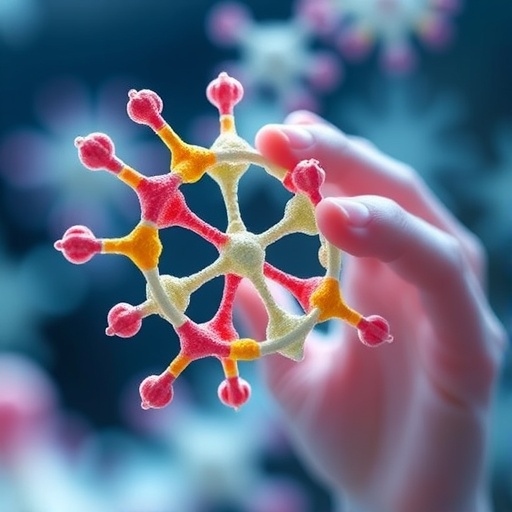
Addressing this complexity, an innovative interdisciplinary consortium across leading European research institutions—including Goethe University Frankfurt, Philipps University Marburg, the University of Cologne, and the University of Zurich—has devised a novel strategy employing Designed Ankyrin Repeat Proteins (DARPins). These engineered miniature proteins act somewhat like antibodies but are significantly smaller and can bind with exceptional specificity and high affinity to target proteins, here mutant forms of p53. By selectively binding, DARPins provide crucial structural stabilization to a broad array of p53 mutants, restoring their functional conformation.
This approach capitalizes on the intrinsic temperature sensitivity found in certain mutant p53 proteins, many of which destabilize at physiological temperatures yet retain the potential for functional reactivation if properly stabilized. The DARPin molecules act as molecular chaperones, assisting mutant p53 proteins to refold into their active, DNA-binding states, thereby rekindling their tumor suppressor activity. This broad-spectrum efficacy across diverse mutants is a remarkable breakthrough, as it circumvents the need to tailor therapies to individual p53 variants.
Professor Volker Dötsch from Goethe University sheds light on the strategy’s transformative promise: instead of developing distinct drugs for thousands of individual mutations, DARPins might offer a universal tool capable of combating numerous p53 mutations simultaneously. This not only accelerates the pace of therapeutic development but could dramatically widen the patient population that benefits from p53-targeted therapies across different cancer types.
Traditionally, antibody-based therapeutics have been limited to targeting extracellular or cell-surface proteins due to challenges in intracellular delivery. However, the success of mRNA vaccines has revolutionized the potential for intracellular protein expression. Dr. Andreas Joerger highlights an exciting future prospect wherein DARPin-encoding mRNA could be encapsulated in lipid nanoparticles and delivered directly into tumor cells, enabling in situ production of these stabilizing proteins to reactivate mutant p53 within its native intracellular environment.
The implications of this research extend far beyond ovarian cancer or any specific tumor type. Because p53 mutations are ubiquitous across myriad cancers, a broadly effective reactivator has the potential to reshape oncology treatment paradigms fundamentally. By restoring the natural tumor suppressor function of p53, cancer cells might be rendered vulnerable to apoptosis once more, ideally reducing tumor burden and improving patient survival without the toxicity associated with traditional chemotherapies.
Technically, the investigators employed cutting-edge structural biology techniques to elucidate the precise interactions between DARPins and the DNA-binding domain of mutant p53, revealing detailed molecular mechanisms underlying stabilization. Through biophysical assays, they confirmed that DARPin binding enhances the thermal stability of mutant p53 and revives its capacity to bind DNA and activate downstream target genes involved in cell cycle arrest and apoptosis.
Moreover, the consortium’s holistic research strategy integrates biochemical experiments with cell-based functional assays, providing compelling evidence that DARPin-mediated p53 reactivation translates into meaningful biological outcomes. Cancer cells harboring otherwise incapacitated p53 mutants demonstrated restored sensitivity to apoptotic stimuli upon treatment with DARPins, underscoring the translational relevance of these findings.
Looking ahead, challenges remain in optimizing mRNA delivery systems for efficient, targeted, and sustained DARPin expression in vivo, as well as ensuring minimal off-target effects and immune responses. Nonetheless, this pioneering work lays a robust foundation for the development of protein-based therapeutics that operate inside cells—an ambitious yet increasingly attainable frontier in cancer pharmacology.
This breakthrough also exemplifies the convergence of synthetic biology, structural biochemistry, and clinical oncology, showcasing how tailor-made proteins can be engineered to modulate previously “undruggable” targets. The shift from traditional small molecules towards biologics like DARPins could herald a new generation of precision medicine, particularly for cancers driven by complex mutational landscapes such as those affecting p53.
In sum, the consortium’s findings open a compelling new chapter in cancer treatment innovation. By harnessing the unique stabilizing properties of DARPins, researchers have taken a major step toward universally reactivating mutant p53, offering hope for broad-spectrum anticancer therapies that restore a natural line of cellular defense lost in the disease’s progression. This approach exemplifies the power of rational protein design to unlock therapeutic potential where small molecules have fallen short, potentially transforming the management of cancer worldwide.
Subject of Research: Cells
Article Title: DARPins as pan-reactivators of temperature-sensitive p53 cancer mutants
News Publication Date: 28-Apr-2026
Web References: 10.1073/pnas.2531747123
Image Credits: Andreas Joerger, Goethe University Frankfurt
Keywords: Cancer, Biochemistry, p53, DARPins, Tumor Suppressor, Mutation, Protein Stabilization, mRNA Therapeutics, Lipid Nanoparticles, Protein Engineering, Structural Biology, Oncology
Tags: cancer cell apoptosis mechanismsDNA damage response in tumorsgenome guardian in oncologymRNA technology in cancer treatmentmRNA-lipid nanoparticle deliverymutant p53 cancer therapyp53 mutation stabilization strategiesp53 tumor suppressor proteinrestoring p53 function in cancerRezatapopt small molecule cancer drugtargeted cancer therapies for p53therapeutic challenges of p53 mutations