• HOME
  • NEWS
  • EXPLORE
    • CAREER
      • Companies
      • Jobs
    • EVENTS
    • iGEM
      • News
      • Team
    • PHOTOS
    • VIDEO
    • WIKI
  • BLOG
  • COMMUNITY
    • FACEBOOK
    • INSTAGRAM
    • TWITTER
Tuesday, May 12, 2026
BIOENGINEER.ORG
No Result
View All Result
  • Login
  • HOME
  • NEWS
  • EXPLORE
    • CAREER
      • Companies
      • Jobs
        • Lecturer
        • PhD Studentship
        • Postdoc
        • Research Assistant
    • EVENTS
    • iGEM
      • News
      • Team
    • PHOTOS
    • VIDEO
    • WIKI
  • BLOG
  • COMMUNITY
    • FACEBOOK
    • INSTAGRAM
    • TWITTER
  • HOME
  • NEWS
  • EXPLORE
    • CAREER
      • Companies
      • Jobs
        • Lecturer
        • PhD Studentship
        • Postdoc
        • Research Assistant
    • EVENTS
    • iGEM
      • News
      • Team
    • PHOTOS
    • VIDEO
    • WIKI
  • BLOG
  • COMMUNITY
    • FACEBOOK
    • INSTAGRAM
    • TWITTER
No Result
View All Result
Bioengineer.org
No Result
View All Result
Home NEWS Science News Immunology

Mimicking SARS-CoV-2 nasal infection in monkeys

Bioengineer by Bioengineer
November 12, 2020
in Immunology
Reading Time: 2 mins read
0
IMAGE
Share on FacebookShare on TwitterShare on LinkedinShare on RedditShare on Telegram

IMAGE

Credit: Pixabay user RobbieRoss

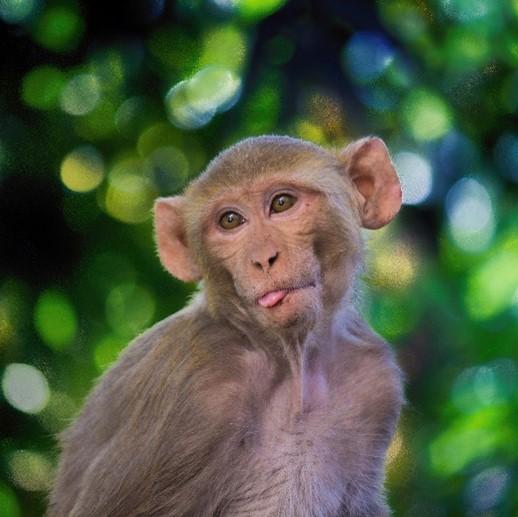
A new rhesus macaque animal model recapitulates the clinical and pathological manifestations of coronavirus disease 2019 (COVID-19) observed in humans by mimicking natural infection via the nasal route, according to a study published November 12 in the open-access journal PLOS Pathogens by Longding Liu, Qihan Li, Zhanlong He of the Chinese Academy of Medical Sciences & Peking Union Medical College, and colleagues. As noted by the authors, the new animal model could lead to effective treatments or vaccines for COVID-19, which is caused by severe acute respiratory syndrome coronavirus 2 (SARS-CoV-2).

The first step of all effective means to control COVID-19 and develop vaccines is to understand the viral infection process. Toward that goal, an effective animal model of SARS-CoV-2 infection is urgently needed. In the new study, the researchers developed a rhesus macaque model to mimic natural infection via the nasal route. The rhesus macaques displayed similar clinical and pathological manifestations of COVID-19 observed in humans.

The results revealed SARS-CoV-2 virus shedding- the release of virus progeny following successful reproduction — in the nose and stool for up to 27 days. This pattern of long-term viral shedding in rhesus macaques is strikingly similar to that observed in humans. The authors also observed similar pathological changes between humans and rhesus macaques in the progression from mild to marked interstitial pneumonia – an inflammatory condition affecting the tissue and space around the air sacs of the lungs. The results further revealed immune responses involving T cells, which contributed to the progression of COVID-19, and inflammation-promoting, cell-signaling molecules called inflammatory cytokines in the respiratory tract. The findings suggest that the development of COVID-19 treatments and vaccines should focus not only on viral shedding and interstitial pneumonia, but also T cell responses and cytokine changes in the lungs.

The authors conclude that their study of “nasal infection in rhesus monkey revealed the immune response and pathologic process of COVID-19”.

###

Research Article

Funding:
The author(s) received no specific funding for this work.

Competing Interests:
The authors have declared that no competing interests exist.

Citation:
Zheng H, Li H, Guo L, Liang Y, Li J, Wang X, et al. (2020) Virulence and pathogenesis of SARS-CoV-2 infection in rhesus macaques: A nonhuman primate model of COVID-19 progression. PLoS Pathog 16(11): e1008949.
https://doi.org/10.1371/journal.ppat.1008949

Author Affiliations:

Institute of Medical Biology, Chinese Academy of Medical Sciences & Peking Union Medical College, Kunming, Yunnan Province, People’s Republic of China

In your coverage please use this URL to provide access to the freely available paper:
http://journals.plos.org/plospathogens/article?id=10.1371/journal.ppat.1008949

Media Contact
Longding Liu
[email protected]

Related Journal Article

http://dx.doi.org/10.1371/journal.ppat.1008949

Tags: BiologyEnvironmental HealthEpidemiologyEvolutionImmunology/Allergies/AsthmaInfectious/Emerging DiseasesMedicine/HealthPublic HealthVirology
Share12Tweet8Share2ShareShareShare2

Related Posts

IMAGE

UMass Amherst grad student awarded fellowship for food allergy research

July 23, 2021
IMAGE

Less-sensitive COVID-19 tests may still achieve optimal results if enough people tested

July 22, 2021

Public trust in CDC, FDA, and Fauci holds steady, survey shows

July 20, 2021

USC study shows male-female differences in immune cell function

July 19, 2021
Please login to join discussion

POPULAR NEWS

  • Research Indicates Potential Connection Between Prenatal Medication Exposure and Elevated Autism Risk

    841 shares
    Share 336 Tweet 210
  • New Study Reveals Plants Can Detect the Sound of Rain

    728 shares
    Share 290 Tweet 182
  • Salmonella Haem Blocks Macrophages, Boosts Infection

    62 shares
    Share 25 Tweet 16
  • Breastmilk Balances E. coli and Beneficial Bacteria in Infant Gut Microbiomes

    57 shares
    Share 23 Tweet 14

About

We bring you the latest biotechnology news from best research centers and universities around the world. Check our website.

Follow us

Recent News

Humans and Zebra Finches Share Similar Speech Learning Techniques #ASA190

New Study Uncovers How Fungal Parasites Attack Strawberries and Raspberries

City of Hope Researchers to Present Groundbreaking Immunotherapy and Precision Medicine Advances Across Multiple Cancer Types at ASCO 2026

Subscribe to Blog via Email

Enter your email address to subscribe to this blog and receive notifications of new posts by email.

Join 82 other subscribers
  • Contact Us

Bioengineer.org © Copyright 2023 All Rights Reserved.

Welcome Back!

Login to your account below

Forgotten Password?

Retrieve your password

Please enter your username or email address to reset your password.

Log In
No Result
View All Result
  • Homepages
    • Home Page 1
    • Home Page 2
  • News
  • National
  • Business
  • Health
  • Lifestyle
  • Science

Bioengineer.org © Copyright 2023 All Rights Reserved.