• HOME
  • NEWS
  • EXPLORE
    • CAREER
      • Companies
      • Jobs
    • EVENTS
    • iGEM
      • News
      • Team
    • PHOTOS
    • VIDEO
    • WIKI
  • BLOG
  • COMMUNITY
    • FACEBOOK
    • INSTAGRAM
    • TWITTER
Friday, May 15, 2026
BIOENGINEER.ORG
No Result
View All Result
  • Login
  • HOME
  • NEWS
  • EXPLORE
    • CAREER
      • Companies
      • Jobs
        • Lecturer
        • PhD Studentship
        • Postdoc
        • Research Assistant
    • EVENTS
    • iGEM
      • News
      • Team
    • PHOTOS
    • VIDEO
    • WIKI
  • BLOG
  • COMMUNITY
    • FACEBOOK
    • INSTAGRAM
    • TWITTER
  • HOME
  • NEWS
  • EXPLORE
    • CAREER
      • Companies
      • Jobs
        • Lecturer
        • PhD Studentship
        • Postdoc
        • Research Assistant
    • EVENTS
    • iGEM
      • News
      • Team
    • PHOTOS
    • VIDEO
    • WIKI
  • BLOG
  • COMMUNITY
    • FACEBOOK
    • INSTAGRAM
    • TWITTER
No Result
View All Result
Bioengineer.org
No Result
View All Result
Home NEWS Science News Health

Milk from teeth: Dental stem cells can generate milk-producing cells

Bioengineer by Bioengineer
October 31, 2019
in Health
Reading Time: 3 mins read
0
IMAGE
Share on FacebookShare on TwitterShare on LinkedinShare on RedditShare on Telegram

IMAGE

Credit: Institute of Oral Biology, University of Zurich


The ability of adult stem cells to generate various tissue-specific cell populations is of great interest in the medical and dental research fields. These cells can replace damaged cells and therefore represent a good alternative to classical medical treatments for tissue regeneration. This may even allow the de novo formation of entire tissues and organs in the future.

Dental stem cells capable of regenerating mammary gland

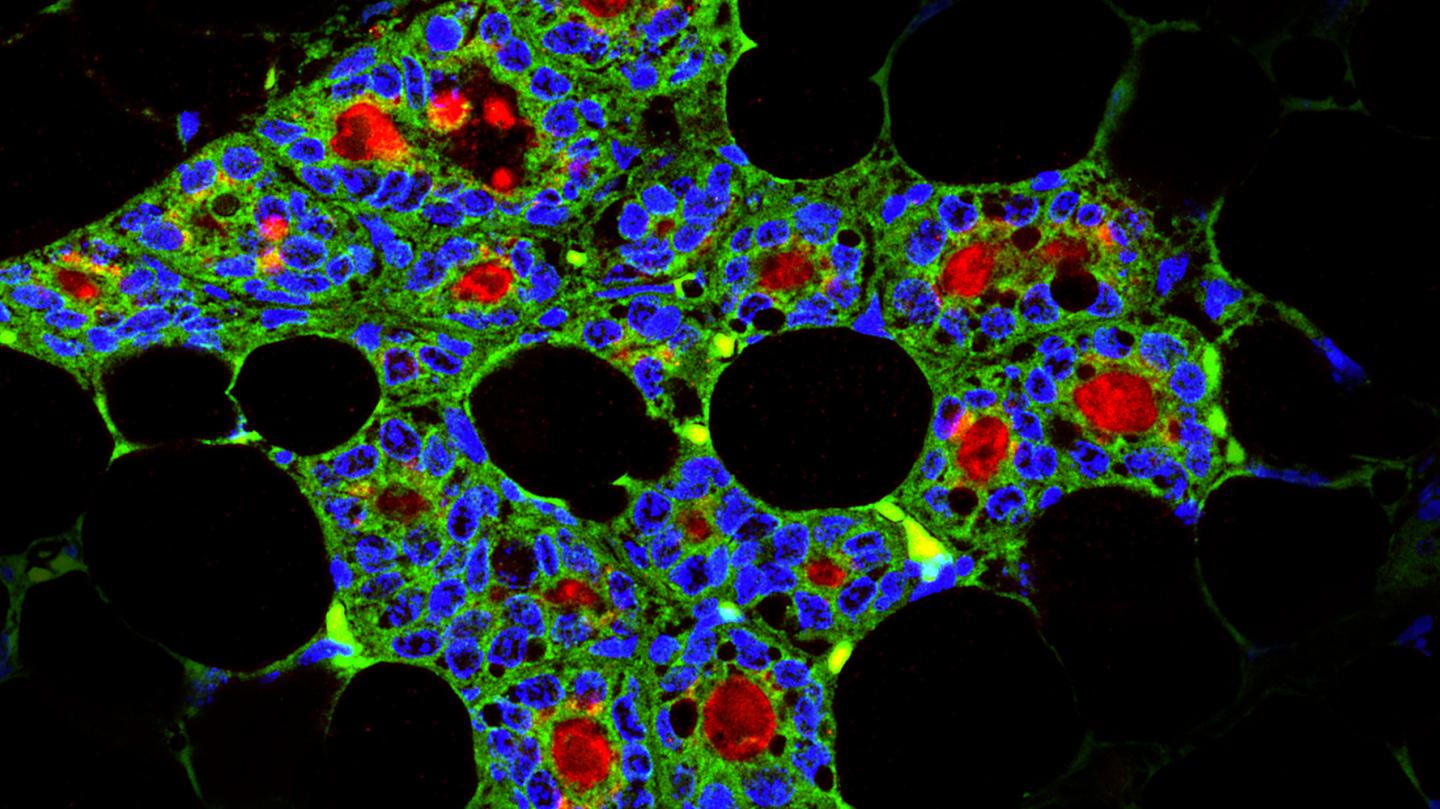
Dental epithelial stem cells are able to generate all epithelial cell types of the teeth; however, it was not yet clear whether these cells could also produce non-dental cell populations. In a recent paper published in the open access journal Cells, a team of researchers led by Thimios Mitsiadis, professor at the Institute of Oral Biology of the University of Zurich (UZH), has shown for the first time that epithelial stem cells isolated from the continuously growing incisors of young mice are indeed able to form mammary glands in female mice.

In a first set of experiments, after removing all cells of mammary origin, dental epithelial stem cells and mammary epithelial cells were directly injected into the areas where the mammary glands normally develop. The researchers used advanced genetic, molecular and imaging tools that allow the precise follow-up of the transplanted dental stem cells in the mammary gland fat pad of the animals. “The results show that the dental stem cells contribute to mammary gland regeneration, and are able to generate all mammary cell populations and, even more strikingly, milk-producing cells,” says Mitsiadis.

This work demonstrates the exceptional plasticity of dental epithelial stem cells to generate not only dental tissues but also other tissues of the body. “These findings represent a major contribution to the understanding of the cellular and molecular mechanisms involved in the regenerative capacity of dental stem cells, and, furthermore, indicate the clinical potential of these specific stem cell populations,” Mitsiadis adds.

Stem cell-based therapies could be used for breast tissue regeneration

In a second set of experiments, dental epithelial stem cells were injected alone, without mammary epithelial cells. In this case, the dental stem cells were also able to form small ductal systems consisting of branching rudiments. However, in some cases this resulted in the formation of cysts. “This plasticity might be unique for dental epithelial stem cells, since all other non-mammary epithelial cells examined so far have never shown the ability to generate mammary ducts without the support of mammary epithelial cells,” states co-author Pierfrancesco Pagella from the Institute of Oral Biology.

One of the most severe pathological conditions is breast cancer, which is often treated with surgery. “Our discovery that dental epithelial stem cells are able to replace cells from the mammary gland opens up new paths for developing stem cell-based therapies that could be used for breast regeneration in the future,” says Thimios Mitsiadis.

###

Media Contact
Thimios Mitsiadis
[email protected]
41-446-343-390

Original Source

https://www.media.uzh.ch/en/Press-Releases/2019/Dental-Stem-Cells.html

Related Journal Article

http://dx.doi.org/10.3390/cells8101302

Tags: BiologyCell BiologyDevelopmental/Reproductive BiologyMedicine/HealthMolecular Biology
Share13Tweet8Share2ShareShareShare2

Related Posts

Autism Subtypes Revealed Through Cross-Species Brain Mapping

May 15, 2026

Axonic Spine Synapses Trigger Action Potentials, Direct Signals

May 15, 2026

Study Reveals Heat-Based Therapy Reshapes Brain Networks in Epilepsy

May 15, 2026

DNA Off-Targeting Disrupts RNA Chromatin Studies

May 15, 2026
Please login to join discussion

POPULAR NEWS

  • Research Indicates Potential Connection Between Prenatal Medication Exposure and Elevated Autism Risk

    843 shares
    Share 337 Tweet 211
  • New Study Reveals Plants Can Detect the Sound of Rain

    729 shares
    Share 291 Tweet 182
  • Salmonella Haem Blocks Macrophages, Boosts Infection

    62 shares
    Share 25 Tweet 16
  • Breastmilk Balances E. coli and Beneficial Bacteria in Infant Gut Microbiomes

    58 shares
    Share 23 Tweet 15

About

We bring you the latest biotechnology news from best research centers and universities around the world. Check our website.

Follow us

Recent News

Autism Subtypes Revealed Through Cross-Species Brain Mapping

Synthetic Cell Microreactor with Dual Dynamic DNA Pores

Key Drivers of Energy Policy Support in Europe

Subscribe to Blog via Email

Enter your email address to subscribe to this blog and receive notifications of new posts by email.

Join 82 other subscribers
  • Contact Us

Bioengineer.org © Copyright 2023 All Rights Reserved.

Welcome Back!

Login to your account below

Forgotten Password?

Retrieve your password

Please enter your username or email address to reset your password.

Log In
No Result
View All Result
  • Homepages
    • Home Page 1
    • Home Page 2
  • News
  • National
  • Business
  • Health
  • Lifestyle
  • Science

Bioengineer.org © Copyright 2023 All Rights Reserved.