• HOME
  • NEWS
  • EXPLORE
    • CAREER
      • Companies
      • Jobs
    • EVENTS
    • iGEM
      • News
      • Team
    • PHOTOS
    • VIDEO
    • WIKI
  • BLOG
  • COMMUNITY
    • FACEBOOK
    • INSTAGRAM
    • TWITTER
Sunday, May 10, 2026
BIOENGINEER.ORG
No Result
View All Result
  • Login
  • HOME
  • NEWS
  • EXPLORE
    • CAREER
      • Companies
      • Jobs
        • Lecturer
        • PhD Studentship
        • Postdoc
        • Research Assistant
    • EVENTS
    • iGEM
      • News
      • Team
    • PHOTOS
    • VIDEO
    • WIKI
  • BLOG
  • COMMUNITY
    • FACEBOOK
    • INSTAGRAM
    • TWITTER
  • HOME
  • NEWS
  • EXPLORE
    • CAREER
      • Companies
      • Jobs
        • Lecturer
        • PhD Studentship
        • Postdoc
        • Research Assistant
    • EVENTS
    • iGEM
      • News
      • Team
    • PHOTOS
    • VIDEO
    • WIKI
  • BLOG
  • COMMUNITY
    • FACEBOOK
    • INSTAGRAM
    • TWITTER
No Result
View All Result
Bioengineer.org
No Result
View All Result
Home NEWS Science News Biology

Metal catalysts used for environmental sustainability found to degrade and become less effective

Bioengineer by Bioengineer
September 6, 2025
in Biology
Reading Time: 2 mins read
0
IMAGE
Share on FacebookShare on TwitterShare on LinkedinShare on RedditShare on Telegram

New research is showing that some tiny catalysts being considered for industrial-scaled environmental remediation efforts may be unstable during operation.

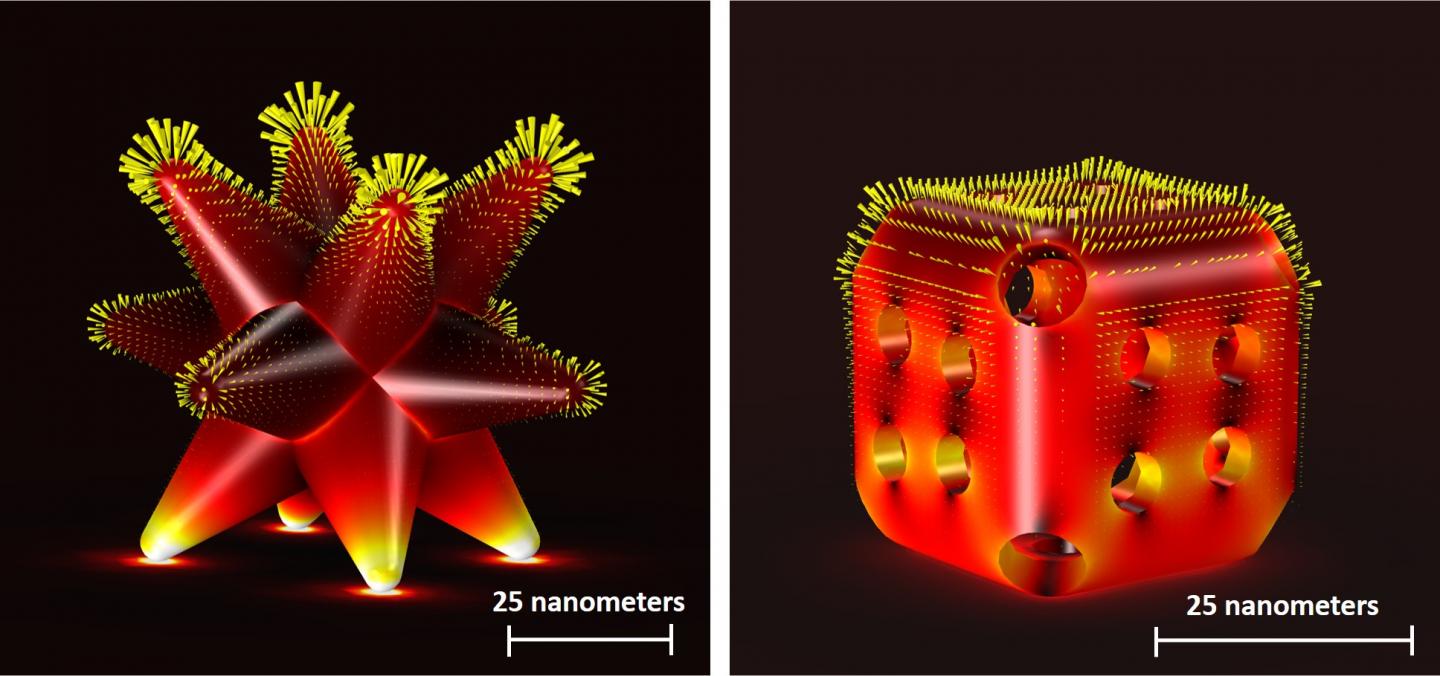
Chemists from the University of Waterloo studied the structures of complex catalysts known as “nanoscale electrocatalysts” and found that they are not as stable as scientists once thought. When electricity flows through them during use, the atoms may rearrange. In some cases, the researchers found, electrocatalysts degrade completely.

Understanding why and how this rearrangement and degradation happens is the first step to using these nanoscale electrocatalysts in environmental remediation efforts such as removing atmospheric carbon dioxide and groundwater contaminants and transforming them into higher-value products such as fuels.

“Current electrocatalysts rely on complex nanoscale structures in order to optimize their efficiency,” said Anna Klinkova, a professor in Waterloo’s Department of Chemistry. “What we found, however, is that the superior performance of these complex nanomaterials often come at a cost of their gradual structural degradation, as there is a trade-off between their effectiveness and stability.”

Klinkova and her team discovered that the rearrangement of atoms in the catalyst depended on the type of metal, structural shape, and the reaction conditions of the catalyst.

Electromigration has been previously identified in microelectronics, but this is the first time it has been connected to nanoscale catalysts.

These findings establish a framework for assessing structural stability and mapping the changing geometry of nanoscale catalysts, which is an important step to designing better catalysts in the future.

“These structural effects could be used as one of the design rules in future catalyst development to maximize their stability,” Klinkova said. “You could also purposefully induce reconstruction to a different structure that becomes active as the reaction starts.”

The study, Interplay of electrochemical and electrical effects induces structural transformations in electrocatalysts, was recently published in the journal Nature Catalysis.

###

Media Contact
Ryon Jones
[email protected]

Tags: Atmospheric ChemistryAtmospheric ScienceClimate ChangeClimate ScienceGeographyHydrology/Water ResourcesPollution/RemediationTemperature-Dependent PhenomenaWeather/Storms
Share13Tweet8Share2ShareShareShare2

Related Posts

Ancient Plant Populations Reveal Fresh Insights into Climate Resilience — Biology

Ancient Plant Populations Reveal Fresh Insights into Climate Resilience

May 8, 2026
Rare Brain Disorders in Children Linked to Mutations in Lesser-Known Protein Complex — Biology

Rare Brain Disorders in Children Linked to Mutations in Lesser-Known Protein Complex

May 8, 2026

From Odd Insect to Underwater Predator: The Remarkable Evolution of a Bloodthirsty Fruit Fly

May 8, 2026

SNU Professor Sangwoo Seo’s Team Develops Next-Generation CRISPR Biocontainment Technology to Control Microbial Survival Without DNA Cleavage

May 8, 2026
Please login to join discussion

POPULAR NEWS

  • Research Indicates Potential Connection Between Prenatal Medication Exposure and Elevated Autism Risk

    840 shares
    Share 336 Tweet 210
  • New Study Reveals Plants Can Detect the Sound of Rain

    727 shares
    Share 290 Tweet 181
  • Scientists Investigate Possible Connection Between COVID-19 and Increased Lung Cancer Risk

    68 shares
    Share 27 Tweet 17
  • Salmonella Haem Blocks Macrophages, Boosts Infection

    61 shares
    Share 24 Tweet 15

About

We bring you the latest biotechnology news from best research centers and universities around the world. Check our website.

Follow us

Recent News

Urdu Fall Risk Questionnaire Adapted for Elderly

Key Pharmacological Markers for HIV Prevention in MSM

Taking 8,500 Steps Daily May Aid Long-Term Weight Management, Study Finds

Subscribe to Blog via Email

Enter your email address to subscribe to this blog and receive notifications of new posts by email.

Join 82 other subscribers
  • Contact Us

Bioengineer.org © Copyright 2023 All Rights Reserved.

Welcome Back!

Login to your account below

Forgotten Password?

Retrieve your password

Please enter your username or email address to reset your password.

Log In
No Result
View All Result
  • Homepages
    • Home Page 1
    • Home Page 2
  • News
  • National
  • Business
  • Health
  • Lifestyle
  • Science

Bioengineer.org © Copyright 2023 All Rights Reserved.