• HOME
  • NEWS
  • EXPLORE
    • CAREER
      • Companies
      • Jobs
    • EVENTS
    • iGEM
      • News
      • Team
    • PHOTOS
    • VIDEO
    • WIKI
  • BLOG
  • COMMUNITY
    • FACEBOOK
    • INSTAGRAM
    • TWITTER
Thursday, June 25, 2026
BIOENGINEER.ORG
No Result
View All Result
  • Login
  • HOME
  • NEWS
  • EXPLORE
    • CAREER
      • Companies
      • Jobs
        • Lecturer
        • PhD Studentship
        • Postdoc
        • Research Assistant
    • EVENTS
    • iGEM
      • News
      • Team
    • PHOTOS
    • VIDEO
    • WIKI
  • BLOG
  • COMMUNITY
    • FACEBOOK
    • INSTAGRAM
    • TWITTER
  • HOME
  • NEWS
  • EXPLORE
    • CAREER
      • Companies
      • Jobs
        • Lecturer
        • PhD Studentship
        • Postdoc
        • Research Assistant
    • EVENTS
    • iGEM
      • News
      • Team
    • PHOTOS
    • VIDEO
    • WIKI
  • BLOG
  • COMMUNITY
    • FACEBOOK
    • INSTAGRAM
    • TWITTER
No Result
View All Result
Bioengineer.org
No Result
View All Result
Home NEWS Science News

Mediterranean turtles recovering at different rates

Bioengineer by Bioengineer
May 11, 2021
in Science News
Reading Time: 2 mins read
0
IMAGE
Share on FacebookShare on TwitterShare on LinkedinShare on RedditShare on Telegram

IMAGE

Credit: Olkan Erguler

Numbers of two Mediterranean turtle species have risen in the last three decades – but in Cyprus the recoveries are happening at different rates, new research shows.

Nest counts at 28 beaches show green turtle nests increased by 162% from 1993 to 2019, while loggerhead nests rose by 46%.

The research team – from the University of Exeter, the Society for the Protection of Turtles (SPOT) and Eastern Mediterranean University – say the difference is probably due to higher death rates among loggerhead turtles of all ages.

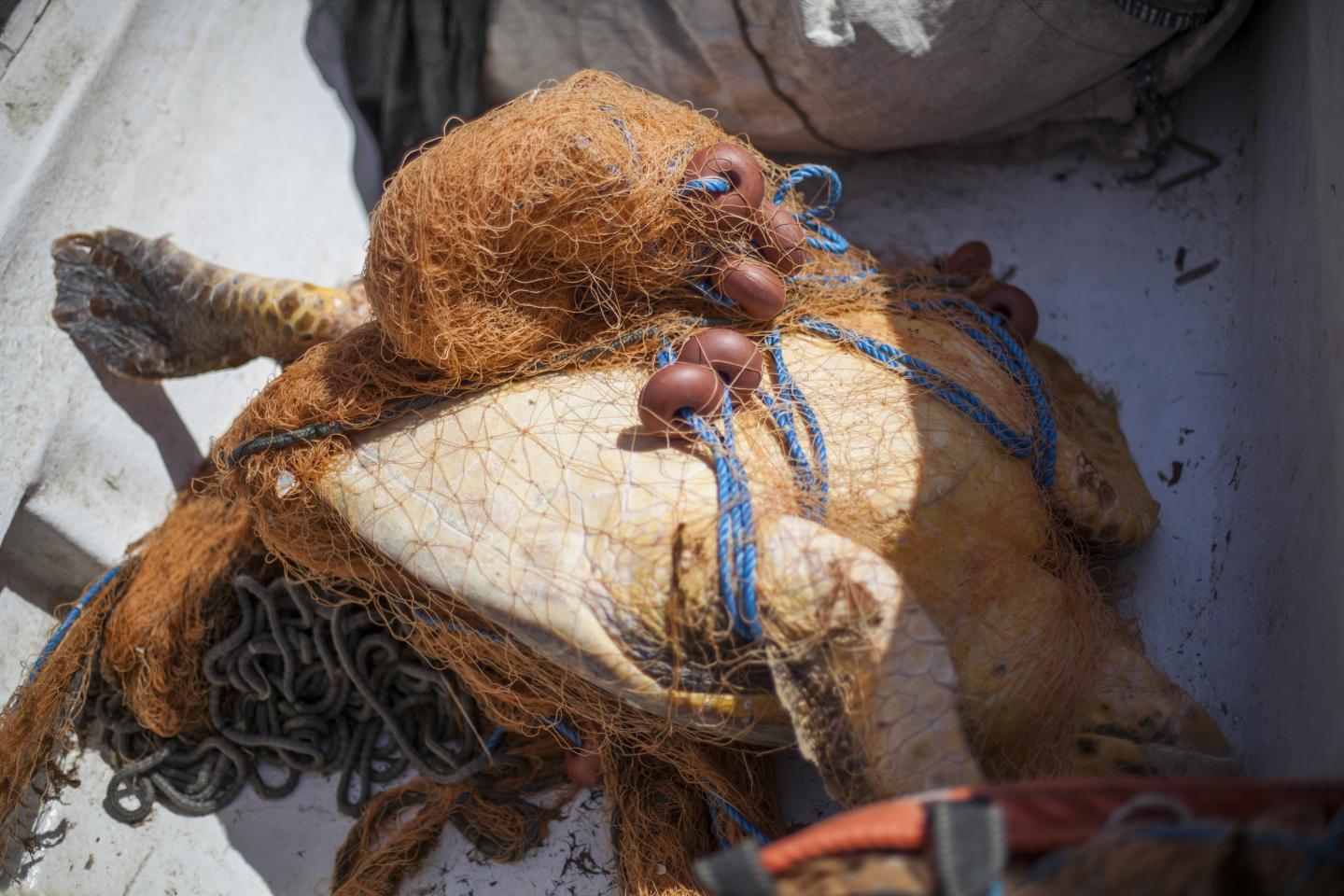
Turtles in this region used to be hunted for meat and shells, but this is now banned throughout the Mediterranean. Coupled with conservation of nesting beaches, this has allowed populations to recover – but the scientists say better protection at sea is still required.

“The recoveries of these populations is very encouraging,” said Dr Lucy Omeyer, of the Centre for Ecology and Conservation on Exeter’s Penryn Campus in Cornwall.

“However, the different rates of recovery suggest loggerheads face additional threats compared to those faced by green turtles.

“The sea grass diet of adult green turtles might partly explain this, as it means green turtles are less likely to be caught as bycatch (accidental catching by fishers), because for most of their lives they live in very specific habitats which are also protected.

“Green turtles are also more likely than loggerheads to return to the same nesting beaches, and stay close to the beach, while loggerheads move around in fishing grounds during the nesting season.”

The study found “stable” rates of reproduction among loggerheads, suggesting that deaths among turtles of all ages (rather than lack of hatchlings) is “impeding the recovery of this species”.

Dr Damla Beton, of SPOT, said: “Our other studies have found that many mature loggerheads die in fisheries when they visit Cyprus to breed, as well as in foraging grounds across the region.

“So, it is not surprising that this mortality is reflected in the nesting trends.

“Better understanding of their movements and the fisheries threats they face could help inform conservation measures such as Marine Protected Areas.”

Despite the recovery among green turtles, their total population in the Mediterranean is estimated at just 3,400 adults, while their main breeding and foraging grounds are restricted to a handful of sites.

###

The study was supported by the North Cyprus Department for Environmental Protection.

The paper, published in the journal Animal Conservation, is entitled: “Investigating differences in population recovery rates of two sympatrically nesting sea turtle species.”

Media Contact
Alex Morrison
[email protected]

Related Journal Article

http://dx.doi.org/10.1111/acv.12689

Tags: AgricultureBiodiversityBiologyEcology/EnvironmentFisheries/AquacultureMarine/Freshwater BiologyZoology/Veterinary Science
Share12Tweet8Share2ShareShareShare2

Related Posts

Tracking Lanthanide-Labeled Microplastics in Plants

June 25, 2026

POSTECH Researchers Slash Cost of Reconstituted Cell-Free Systems by 95%

June 25, 2026

AI and Physics Collaborate to Design Advanced Hydrogen Storage Materials

June 25, 2026

Natural Hallucinogens: Evolution’s Ecological Tools, Not Mere Chemical Byproducts

June 25, 2026
Please login to join discussion

POPULAR NEWS

  • Saying Goodbye to PGY-6: Pediatric Fellowship Realities

    103 shares
    Share 41 Tweet 26
  • Multi-Hospital Study Reveals Long Covid Burden Is Twice as High as Current Estimates

    92 shares
    Share 36 Tweet 23
  • Detection of EDCs in Breast Milk and Infant Urine Up to Six Months Highlights Early Exposure Risks

    77 shares
    Share 31 Tweet 19
  • New Drug Candidate Developed at McMaster Shows Potential for Treating Brain Cancer

    58 shares
    Share 23 Tweet 15

About

We bring you the latest biotechnology news from best research centers and universities around the world. Check our website.

Follow us

Recent News

Tracking Lanthanide-Labeled Microplastics in Plants

POSTECH Researchers Slash Cost of Reconstituted Cell-Free Systems by 95%

AI and Physics Collaborate to Design Advanced Hydrogen Storage Materials

Subscribe to Blog via Email

Enter your email address to subscribe to this blog and receive notifications of new posts by email.

Join 82 other subscribers
  • Contact Us

Bioengineer.org © Copyright 2023 All Rights Reserved.

Welcome Back!

Login to your account below

Forgotten Password?

Retrieve your password

Please enter your username or email address to reset your password.

Log In
No Result
View All Result
  • Homepages
    • Home Page 1
    • Home Page 2
  • News
  • National
  • Business
  • Health
  • Lifestyle
  • Science

Bioengineer.org © Copyright 2023 All Rights Reserved.