

• HOME
  • NEWS
  • EXPLORE
    • CAREER
      • Companies
      • Jobs
    • EVENTS
    • iGEM
      • News
      • Team
    • PHOTOS
    • VIDEO
    • WIKI
  • BLOG
  • COMMUNITY
    • FACEBOOK
    • INSTAGRAM
    • TWITTER
Thursday, May 21, 2026
BIOENGINEER.ORG
No Result
View All Result
  • Login
  • HOME
  • NEWS
  • EXPLORE
    • CAREER
      • Companies
      • Jobs
        • Lecturer
        • PhD Studentship
        • Postdoc
        • Research Assistant
    • EVENTS
    • iGEM
      • News
      • Team
    • PHOTOS
    • VIDEO
    • WIKI
  • BLOG
  • COMMUNITY
    • FACEBOOK
    • INSTAGRAM
    • TWITTER
  • HOME
  • NEWS
  • EXPLORE
    • CAREER
      • Companies
      • Jobs
        • Lecturer
        • PhD Studentship
        • Postdoc
        • Research Assistant
    • EVENTS
    • iGEM
      • News
      • Team
    • PHOTOS
    • VIDEO
    • WIKI
  • BLOG
  • COMMUNITY
    • FACEBOOK
    • INSTAGRAM
    • TWITTER
No Result
View All Result
Bioengineer.org
No Result
View All Result
Home NEWS Science News Biology

Marine protected areas often expensive and misplaced

Bioengineer by Bioengineer
June 28, 2018
in Biology
Reading Time: 2 mins read
0
Share on FacebookShare on TwitterShare on LinkedinShare on RedditShare on Telegram
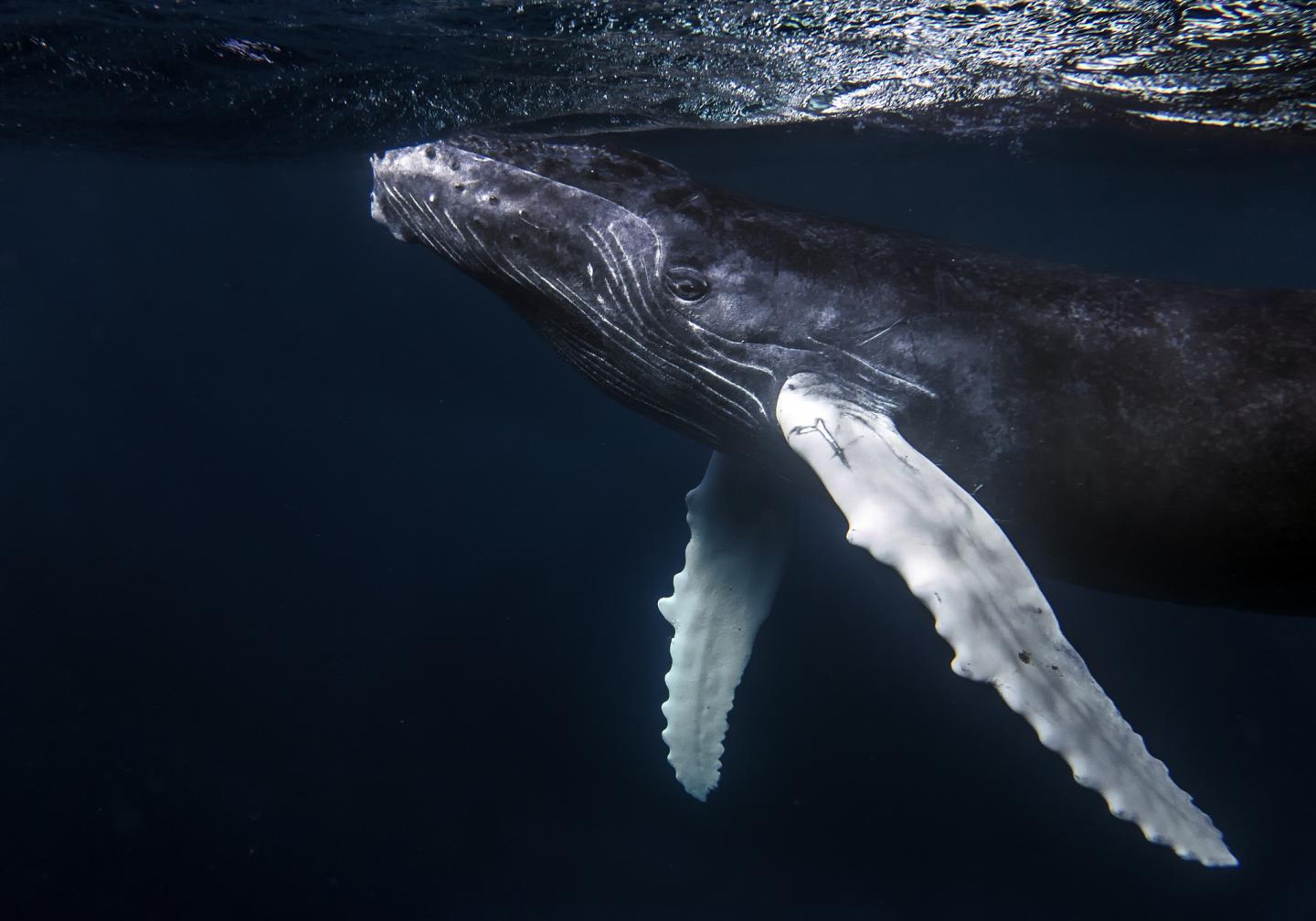
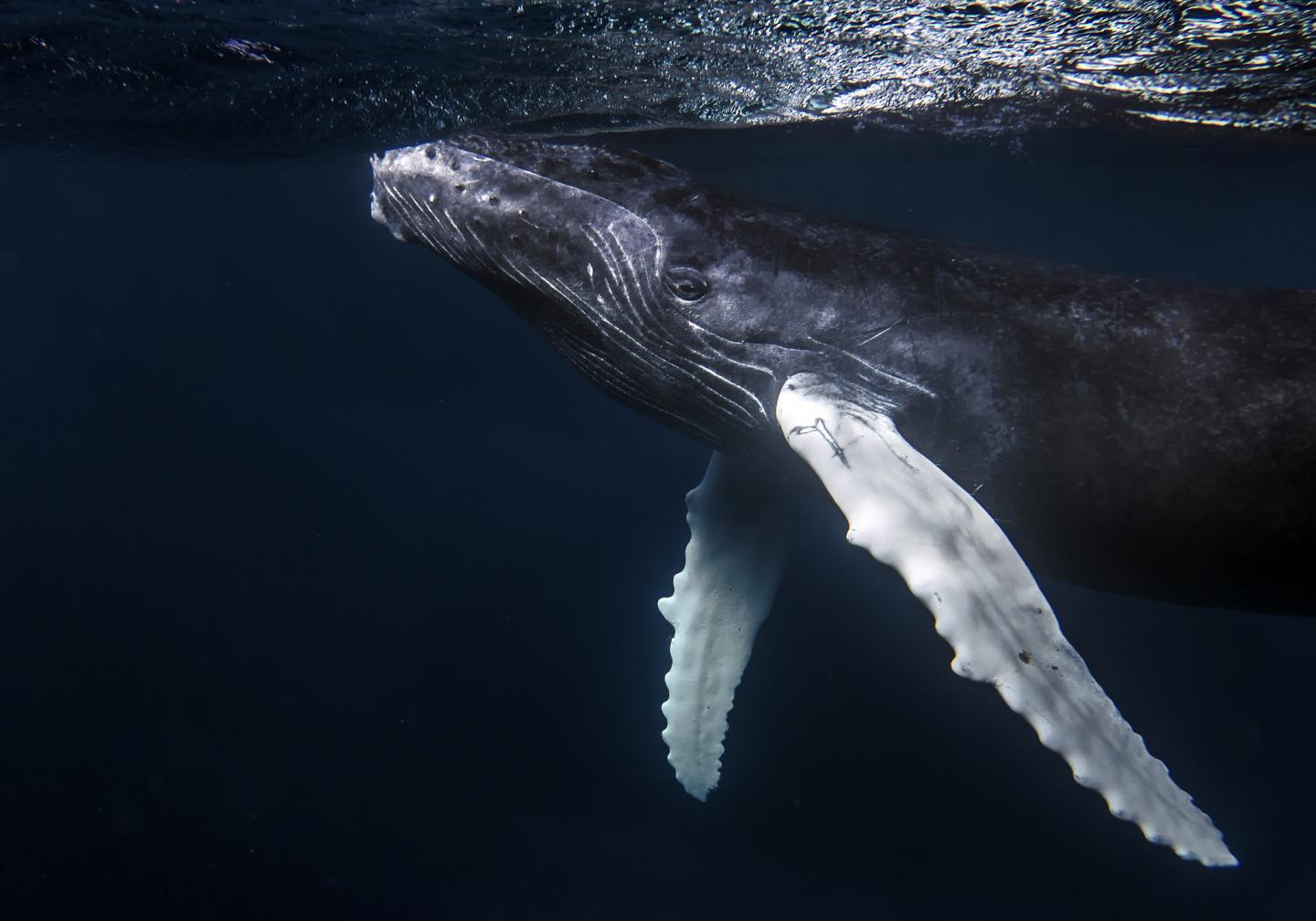
IMAGE

Credit: Christopher Michel

Many marine protected areas are often unnecessarily expensive and located in the wrong places, an international study has shown.

The University of Queensland was part of research which found protected areas missed many unique ecosystems, and have a greater impact on fisheries than necessary.

A collaboration with the University of Hamburg, Wildlife Conservation Society and The Nature Conservancy assessed the efficiency of marine protected areas, which now cover 16 per cent of national waters around the world.

UQ's School of Biological Sciences researcher Professor Hugh Possingham said international marine preservation targets are falling short.

"International conservation targets such as the United Nation's Sustainable Development Goals call for protection of at least 10 per cent of all the world's oceans and all marine ecosystems," he said.

"Despite a tenfold increase in marine protected areas since the year 2000 – a growth of 21 million square kilometres – half of all marine ecosystems still fall short of the target, with 10 ecosystems entirely unprotected."

The researchers assessed whether the expansion had been cost efficient – measuring potential earnings lost from fisheries – and effectively focused.

The University of Hamburg's Dr Kerstin Jantke, who led the research, said that marine protected areas could have been far more efficient with greater planning.

"With a more strategic approach at the inception of global conservation targets in 1982, the marine protected area network could be a third smaller, cost half as much, and meet international targets by protecting 10 per cent of every ecosystem," she said.

"It is clearly in the interests of nations to start strategic planning as early as possible to avoid costly imbalanced reserve systems."

Nations will negotiate new conservation targets for 2020-2030 at a United Nations meeting next year in China.

"We urge governments to take note and be tactical from the outset, delivering better outcomes for nature conservation, but also saving them a lot of money," Professor Possingham said.

###

The study has been published in Conservation Letters (DOI: 10.1111/conl.12584).

Media: Professor Hugh Possingham (Brisbane, Australia), [email protected], +61 434 079 061; Dr Kerstin Jantke (Hamburg, Germany), [email protected], +49 170 55 00 778, Dominic Jarvis, [email protected], +61 413 334 924.

Media Contact

Hugh Possingham
[email protected]
61-434-079-061
@uq_news

http://www.uq.edu.au

Original Source

http://www.uq.edu.au/news/article/2018/06/marine-protected-areas-often-expensive-and-misplaced http://dx.doi.org/10.1111/conl.12584


Share13Tweet8Share2ShareShareShare2

Related Posts

Early Delivery Improves Outcomes for Mothers and Babies in Hypertensive Pregnancies — Biology

Early Delivery Improves Outcomes for Mothers and Babies in Hypertensive Pregnancies

May 21, 2026
How Atlantic Herring Rewired Their Reproductive Strategy to Thrive in Changing Oceans — Biology

How Atlantic Herring Rewired Their Reproductive Strategy to Thrive in Changing Oceans

May 20, 2026

Study Finds Young Fraser River Chinook Salmon Swimming in Chemical Mixture

May 20, 2026

Thousands of UK Beekeepers Contribute Honey to Advance Environmental Science

May 20, 2026
Please login to join discussion

POPULAR NEWS

  • blank

    New Study Reveals Plants Can Detect the Sound of Rain

    733 shares
    Share 292 Tweet 183
  • ESMO 2025: mRNA COVID Vaccines Enhance Efficacy of Cancer Immunotherapy

    303 shares
    Share 121 Tweet 76
  • Research Indicates Potential Connection Between Prenatal Medication Exposure and Elevated Autism Risk

    846 shares
    Share 338 Tweet 212
  • Breastmilk Balances E. coli and Beneficial Bacteria in Infant Gut Microbiomes

    58 shares
    Share 23 Tweet 15

About

We bring you the latest biotechnology news from best research centers and universities around the world. Check our website.

Follow us

Recent News

Astrocyte Glucocorticoid Signals Limit Neuronal Plasticity

Scalable Cladding-Free Thermal Drawn Piezoelectric Fibers

New Study Discovers Marker to Pinpoint Advanced Prostate Cancer Patients Most Likely to Benefit from Combination Immunotherapy

Subscribe to Blog via Email

Enter your email address to subscribe to this blog and receive notifications of new posts by email.

Join 82 other subscribers
  • Contact Us

Bioengineer.org © Copyright 2023 All Rights Reserved.

Welcome Back!

Login to your account below

Forgotten Password?

Retrieve your password

Please enter your username or email address to reset your password.

Log In
No Result
View All Result
  • Homepages
    • Home Page 1
    • Home Page 2
  • News
  • National
  • Business
  • Health
  • Lifestyle
  • Science

Bioengineer.org © Copyright 2023 All Rights Reserved.