• HOME
  • NEWS
  • EXPLORE
    • CAREER
      • Companies
      • Jobs
    • EVENTS
    • iGEM
      • News
      • Team
    • PHOTOS
    • VIDEO
    • WIKI
  • BLOG
  • COMMUNITY
    • FACEBOOK
    • INSTAGRAM
    • TWITTER
Monday, June 29, 2026
BIOENGINEER.ORG
No Result
View All Result
  • Login
  • HOME
  • NEWS
  • EXPLORE
    • CAREER
      • Companies
      • Jobs
        • Lecturer
        • PhD Studentship
        • Postdoc
        • Research Assistant
    • EVENTS
    • iGEM
      • News
      • Team
    • PHOTOS
    • VIDEO
    • WIKI
  • BLOG
  • COMMUNITY
    • FACEBOOK
    • INSTAGRAM
    • TWITTER
  • HOME
  • NEWS
  • EXPLORE
    • CAREER
      • Companies
      • Jobs
        • Lecturer
        • PhD Studentship
        • Postdoc
        • Research Assistant
    • EVENTS
    • iGEM
      • News
      • Team
    • PHOTOS
    • VIDEO
    • WIKI
  • BLOG
  • COMMUNITY
    • FACEBOOK
    • INSTAGRAM
    • TWITTER
No Result
View All Result
Bioengineer.org
No Result
View All Result
Home NEWS Science News Biology

Male bottlenose dolphins form bachelor groups with their relatives

Bioengineer by Bioengineer
March 6, 2019
in Biology
Reading Time: 2 mins read
0
IMAGE
Share on FacebookShare on TwitterShare on LinkedinShare on RedditShare on Telegram

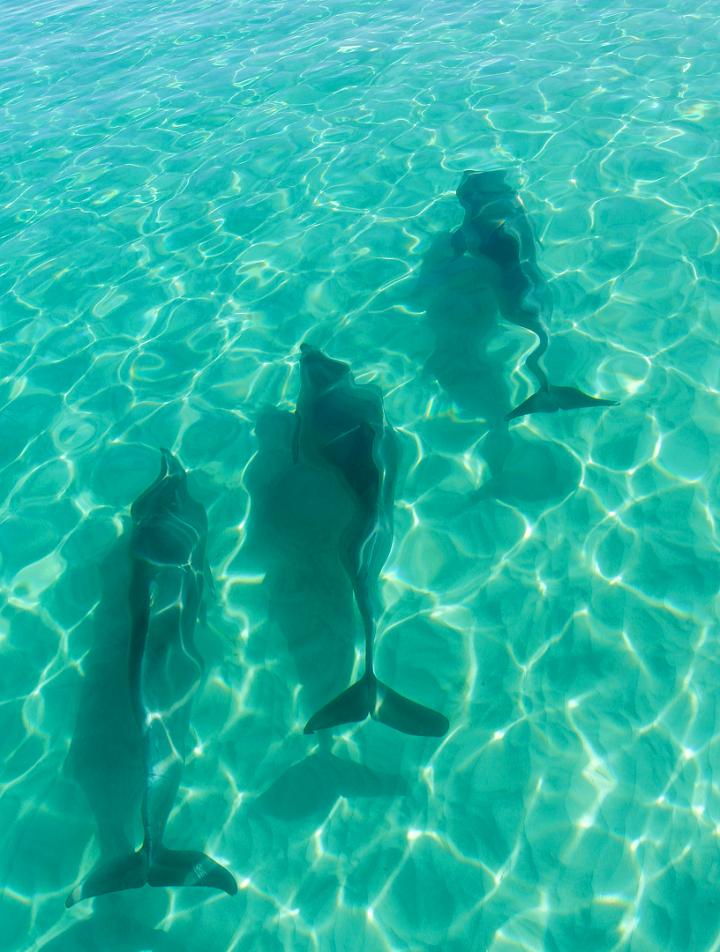
When it comes to wooing the ‘ladies’, it turns out male bottlenose dolphins employ special tactics with their brothers or cousins to increase their odds of sexual success
IMAGE

Credit: Fernando Diaz Aguirre

When it comes to wooing the ‘ladies’, it turns out male bottle nose dolphins employ special tactics with their brothers or cousins to increase their odds of sexual success.

New research has analysed the behaviour of 12 dolphin social groups in South Australia’s Coffin Bay region and shows males who team up in groups of two to five to form beneficial alliances may have more success.

The collaboration improves the bottle nose chances of finding and breeding with females in a competitive environment, ensures they stay fit, and leads to stronger family bonds over time.

Led by Dr Fernando Diaz-Aguirre at the Molecular Ecology at Flinders University, the study examined the social and genetic structure of Southern Australian dolphins dealing with population density, an unfavourable sex ratio, and their own behavioural characteristics.

“Our research shows males form tight groups likely to increase their chances at mating with limited numbers of females, and at the same time they can defend females and prevent other male groups from mating with them,” says Dr Diaz-Aguirre.

“The study highlights which geographic and demographic factors directly influence how male dolphins go about increasing their success rate with females.”

Male lions, chimpanzees and horses are known to form bachelor groups in the animal kingdom, but it’s even more important for dolphins because females only give birth to a single calf every two to five years.

Previous research has shown other dolphin’s types form similar relationships, but this study analysed why bonds are based on blood relations in the Coffin Bay region.

“The results corroborate predictions that a high density of dolphins living in an environment which presents unfavourable sex ratios are likely to result in the formation of male social groups”, states Associate Professor Luciana M?ller, senior author of the study.

“In addition, the groups clearly tend to favour relationships based on blood relations. So it’s very similar to a group of humans, as we obviously socialise more with our relatives, such as brothers or cousins due to family relationships and because that’s who we feel more comfortable with”, says Dr Diaz-Aguirre.

Photo-identification data and biopsy samples were collected in Coffin Bay from 2013 to 2015 through boat-based surveys.

Previous studies have found that male dolphins who form close alliances breed more successfully in similar circumstances.

###

Media Contact
Luciana Moller
[email protected]

Related Journal Article

http://dx.doi.org/10.1007/s00265-018-2621-4

Tags: BiologyEcology/EnvironmentEvolutionFisheries/AquacultureGenesGeneticsMarine/Freshwater BiologyZoology/Veterinary Science
Share12Tweet8Share2ShareShareShare2

Related Posts

Natural Hallucinogens: Evolution’s Ecological Tools, Not Mere Chemical Byproducts

June 25, 2026

This Famous Butterfly Revealed: Three Distinct Species Hidden in One

June 25, 2026

Scientists Attack Soybean Cyst Nematode by Starving Its Food Source

June 25, 2026

Decoding the Secret Code of a Crucial Immune Sensor

June 24, 2026
Please login to join discussion

POPULAR NEWS

  • Saying Goodbye to PGY-6: Pediatric Fellowship Realities

    103 shares
    Share 41 Tweet 26
  • Multi-Hospital Study Reveals Long Covid Burden Is Twice as High as Current Estimates

    92 shares
    Share 36 Tweet 23
  • Detection of EDCs in Breast Milk and Infant Urine Up to Six Months Highlights Early Exposure Risks

    77 shares
    Share 31 Tweet 19
  • New Drug Candidate Developed at McMaster Shows Potential for Treating Brain Cancer

    58 shares
    Share 23 Tweet 15

About

We bring you the latest biotechnology news from best research centers and universities around the world. Check our website.

Follow us

Recent News

Tracking Lanthanide-Labeled Microplastics in Plants

POSTECH Researchers Slash Cost of Reconstituted Cell-Free Systems by 95%

AI and Physics Collaborate to Design Advanced Hydrogen Storage Materials

Subscribe to Blog via Email

Success! An email was just sent to confirm your subscription. Please find the email now and click 'Confirm' to start subscribing.

Join 82 other subscribers
  • Contact Us

Bioengineer.org © Copyright 2023 All Rights Reserved.

Welcome Back!

Login to your account below

Forgotten Password?

Retrieve your password

Please enter your username or email address to reset your password.

Log In
No Result
View All Result
  • Homepages
    • Home Page 1
    • Home Page 2
  • News
  • National
  • Business
  • Health
  • Lifestyle
  • Science

Bioengineer.org © Copyright 2023 All Rights Reserved.